
Convergence of Syrian Kurds and Arabs in the Field of Mother Tongue Education
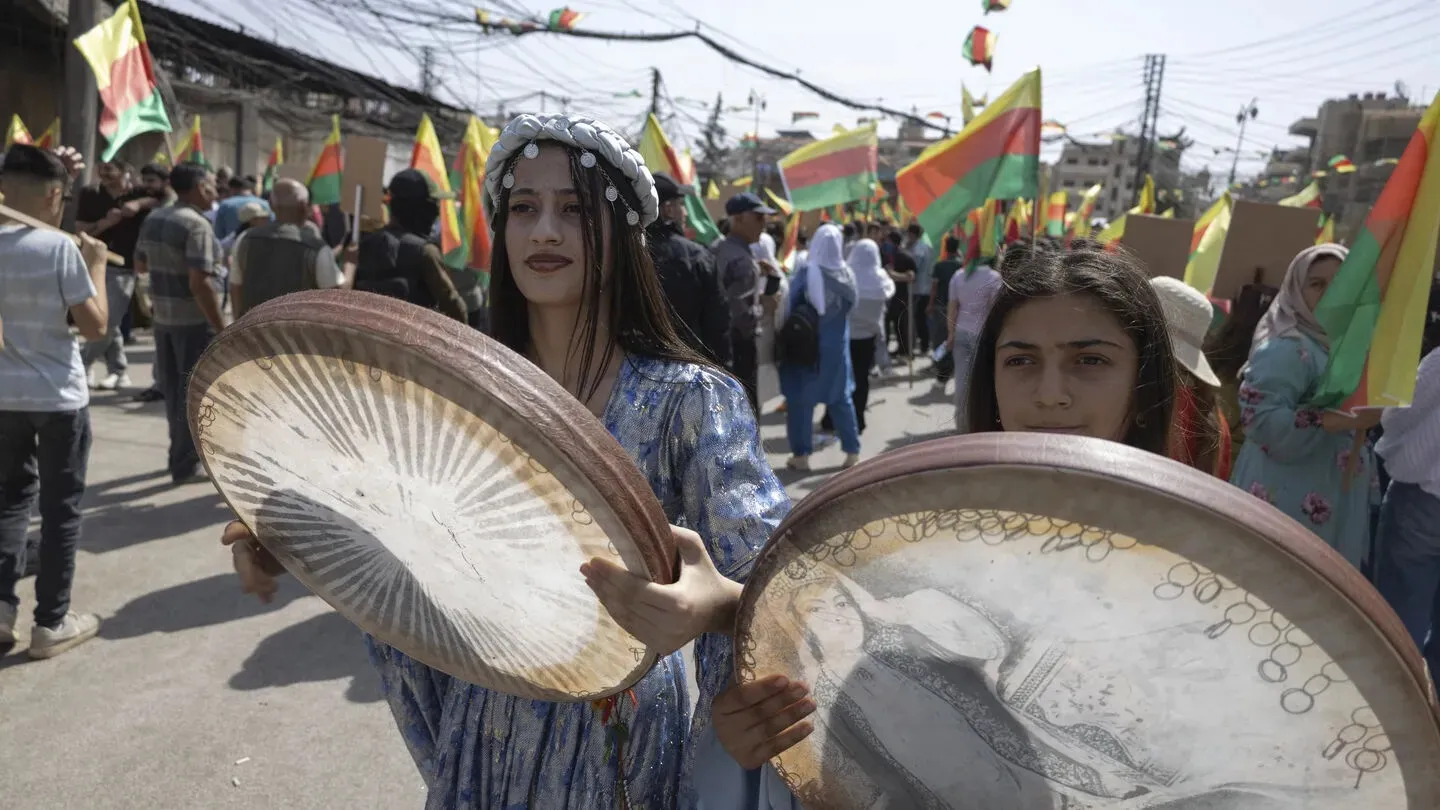
According to KurdPress, Al-Monitor’s new report shows that the new restrictions on teaching Kurdish in Syria have become one of the most important challenges between the Kurds and the Damascus government. According to a decree issued by the Syrian Ministry of Education on August 27, Kurdish will only be taught three hours a week as a second language in schools; a decision that has been met with widespread protests from Kurdish students in Qamishlo, Kobani, and other Kurdish-populated areas.Many students are calling for the return of the Kurdish curriculum and for Kurdish to be recognized in the constitution alongside Arabic.
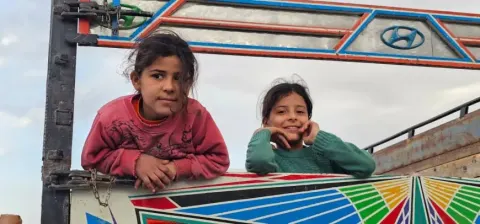
These restrictions are part of the fallout from a January 2026 agreement between Mazloum Kobani, the former commander of Kurdish-led forces, and Syrian President Ahmed al-Sharaa, which ended the conflict between the Syrian Democratic Forces and government forces and focused on integrating Kurdish military and civilian structures into the central government. Critics see the agreement as severely reducing Kurdish authority, but Al-Monitor’s report emphasizes that Syria’s social landscape is more complex than the traditional narrative of Arab-Kurdish confrontation, and that the shared experience of linguistic discrimination has led to a sense of solidarity between the two communities in some areas.The report, citing the experiences of Syrian Arab families returning from Turkey, notes that some of them understand the educational restrictions against Kurdish students because their children are deprived of Arabic education in Turkish schools. In Daraya, a Syrian Arab girl has even supported the right of Kurds to be educated in their mother tongue and to have a form of self-government.
At the same time, Syrian officials have spoken of the widespread problems in the education system after years of war. The government has announced that it is offering Arabic language remedial classes to students returning from abroad, but teacher shortages and overcrowded classrooms have made these programs difficult to implement.About 100,000 students are educated in Kurdish-run schools, and nearly 40,000 of them, according to a Kurdish representative in the Syrian parliament, cannot speak, read, or write Arabic, a problem he described as a risk of creating a “lost generation.”
Despite Damascus’ emphasis on teaching Kurdish as a subject, some temporary concessions have been made for Kurdish students, including holding ninth- and twelfth-grade exams based on the Kurdish curriculum and teaching some subjects such as history, geography, and philosophy in Kurdish. However, Kurdish critics believe that this policy is fundamentally different from teaching in the mother tongue and may become a model similar to past Turkish policies.
In another part of the report, Al-Monitor assesses the situation of Kurds living in the Rukn al-Din neighborhood of Damascus differently.Many of these Kurds have been silent in recent decades to preserve their identity and have even lost their Kurdish language, but the announcement of Kurdish language teaching in public schools has been widely welcomed. Some residents in the region are organizing informal classes to teach Kurdish to children and the elderly.
While many Kurds in northeastern Syria see Damascus’s new policy as a serious setback to their rights to language education, among some Arab and Kurdish communities in other parts of the country, the shared experience of repression and deprivation of these rights could pave the way for a new sense of empathy between the two communities, the publication reports.
User comments