
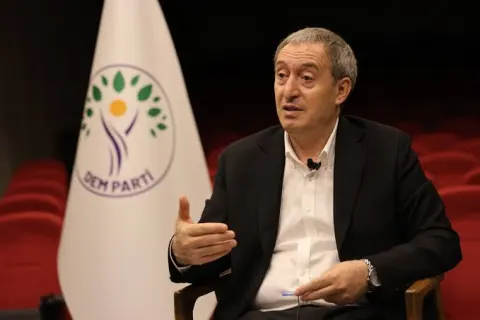
Delay in practical steps erodes trust in the peace process
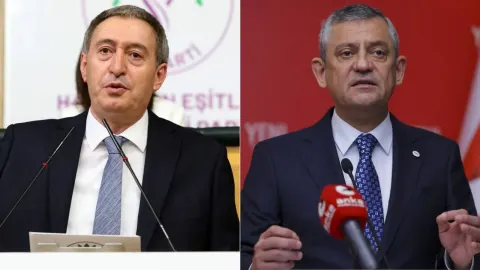
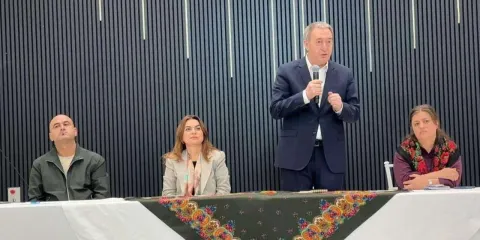
According to Kurdistan Press, Tuncer Bakrkhan, co-chair of the People's Equality and Democracy Party (Dem Party), in an interview with Mesopotamia News Agency, evaluated the peace process and democratic society, the measures expected from the government, the activities of the parliamentary commission and the reports submitted by political parties.
Bakrkhan said that in the past year, with the political will of Abdullah Öcalan and the steps taken by the PKK, an important path has been taken. According to him, the stage called "negative peace" in conflict resolution literature, i.e. the cessation of armed conflicts and the elimination of grounds for a return to war, has been completed.
He added that now it is the turn of the government, parliament, political parties and civil society to find the necessary ways and mechanisms to powerfully express the demand for peace and democracy and move the process to the stage of positive peace; a stage that must be based on democratization, justice, the rule of law and equality.
Referring to Abdullah Öcalan's call to dissolve the PKK and abandon the armed struggle, the co-chair of the DAP said that in many global examples, the end of armed activity and the dissolution of the organization occurs in the last stage of negotiations, but Öcalan reversed this path and turned the last stop into the first step. Bakr Khan described this move as a rare example in conflict resolution experiences and said that removing weapons from the equation has made it possible to move the issue to the realm of politics, society, and parliament.
Bakr Khan warned that delaying concrete steps carries two major risks. First, it creates a sense in society that the process is once again stalling for time, and second, the vacuum created opens the field for provocation, tension, and activity by forces opposed to peace.
He also called on the parliament to take the initiative, start drafting the law based on the joint report without delay, and create conditions for Abdullah Öcalan to communicate, work, and live freely.
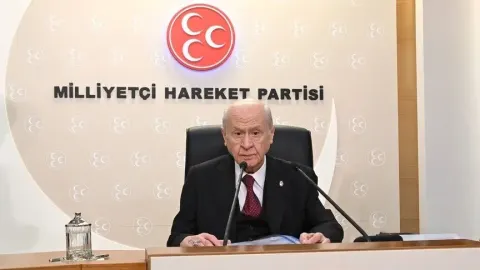
Bakr Khan criticized the National Movement Party's report, saying that the report denies the political existence of the Kurds and rejects education in the Kurdish language. He considered the party's approach to identity and education in the mother tongue unacceptable; however, he said that some of the historical assessments in the report, including the emphasis on the shared fate of Kurds and Turks, were noteworthy.
User comments