The end of traditional American mediation in the Kurdistan Region?
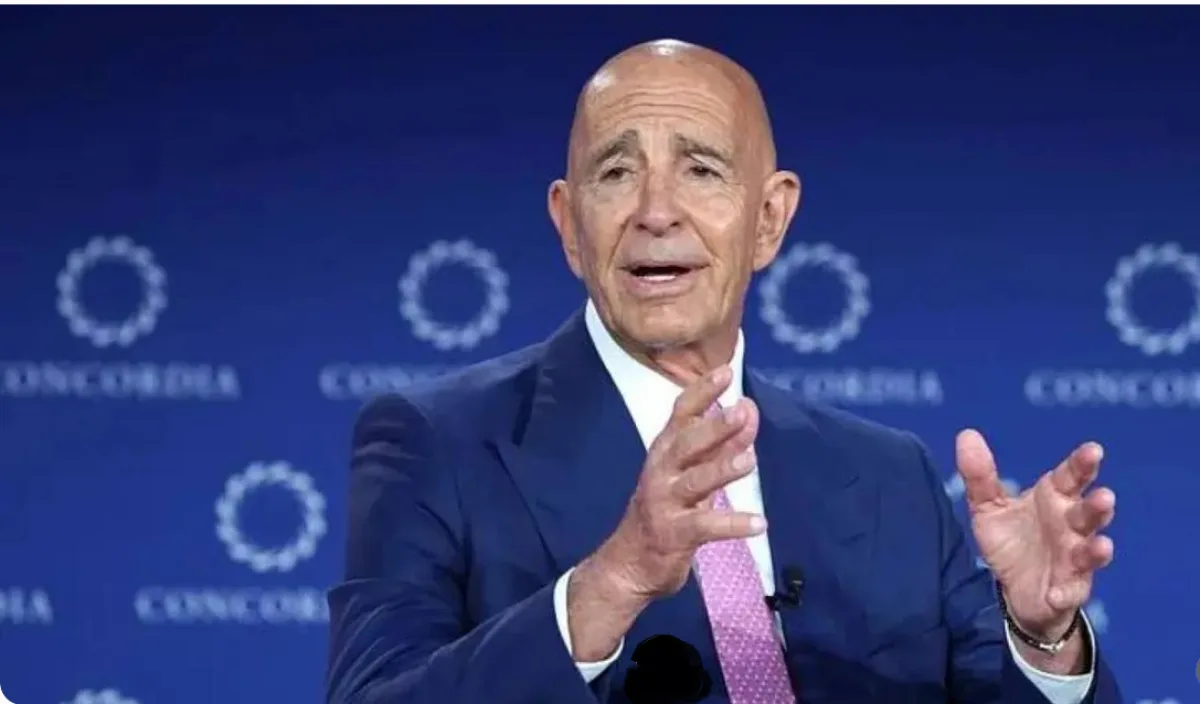
According to Kurdistan Press, Tom Barak, Donald Trump's special envoy for Iraq and Syria, in a rare statement on the differences between the Kurdistan Democratic Party and the Patriotic Union of Kurdistan, called on the leaders of the two parties to end their long-standing disputes and emphasized that the United States does not intend to directly intervene in these disputes. While describing the political crisis in the Kurdistan Region as a series of family and tribal disputes, he warned that the continuation of this situation will affect the activities of American and international companies and the region's sources of income.
On Wednesday, November 11, 2026, during the Chatham House Iraq Initiative meeting in London, Tom Barak took a clear stance in response to a question about the US role in guaranteeing the rights of the Kurds and preserving the federal structure of the Kurdistan Region against the possibility of greater centralization in the Iraqi political structure.
The US special envoy then referred to the complexity of the Iraqi constitutional structure and the federal status of the Kurdistan Region, saying that he could not explain to the US Congress the complex relations between Baghdad and the region and how its federal structure would fit in. He also went on to mention a series of family disputes within the region that have hampered the activities of American and international companies; companies that, according to him, are considered the source of income for the entire region.
He continued to emphasize the need for political unity within the region, as well as coordination between the Kurdistan Regional Government and the Iraqi federal government, and said that Washington has no intention of intervening and does not fundamentally consider such intervention possible, but it can be an encourager, advisor, and mediator.
In a report on Barak's remarks, the National magazine assessed this stance as a sign of America's growing patience with the Kurdish leaders' disputes, writing that Washington is no longer willing to play a decisive role in the region's internal disputes.
Kurdistan Watch wrote in its analysis that Barak has effectively shown both parties that they should not overestimate the importance of their position in America's calculations. Kurdistan Watch also emphasized that America's preference is to maintain a united climate with political and administrative balance in which neither party is marginalized.
Rather than seeking to participate in the reconstruction of the power-sharing mechanism between the Democratic Party and the Patriotic Union, the Trump administration seems to expect the two parties to align themselves with Washington’s new priorities in Iraq, particularly the security of energy infrastructure, attracting foreign investment, and stabilizing relations between Erbil and Baghdad. This change in approach could reduce the bargaining power of regional leaders vis-à-vis Baghdad and exacerbate the consequences of internal disputes in a situation where traditional American support is no longer guaranteed.
User comments