
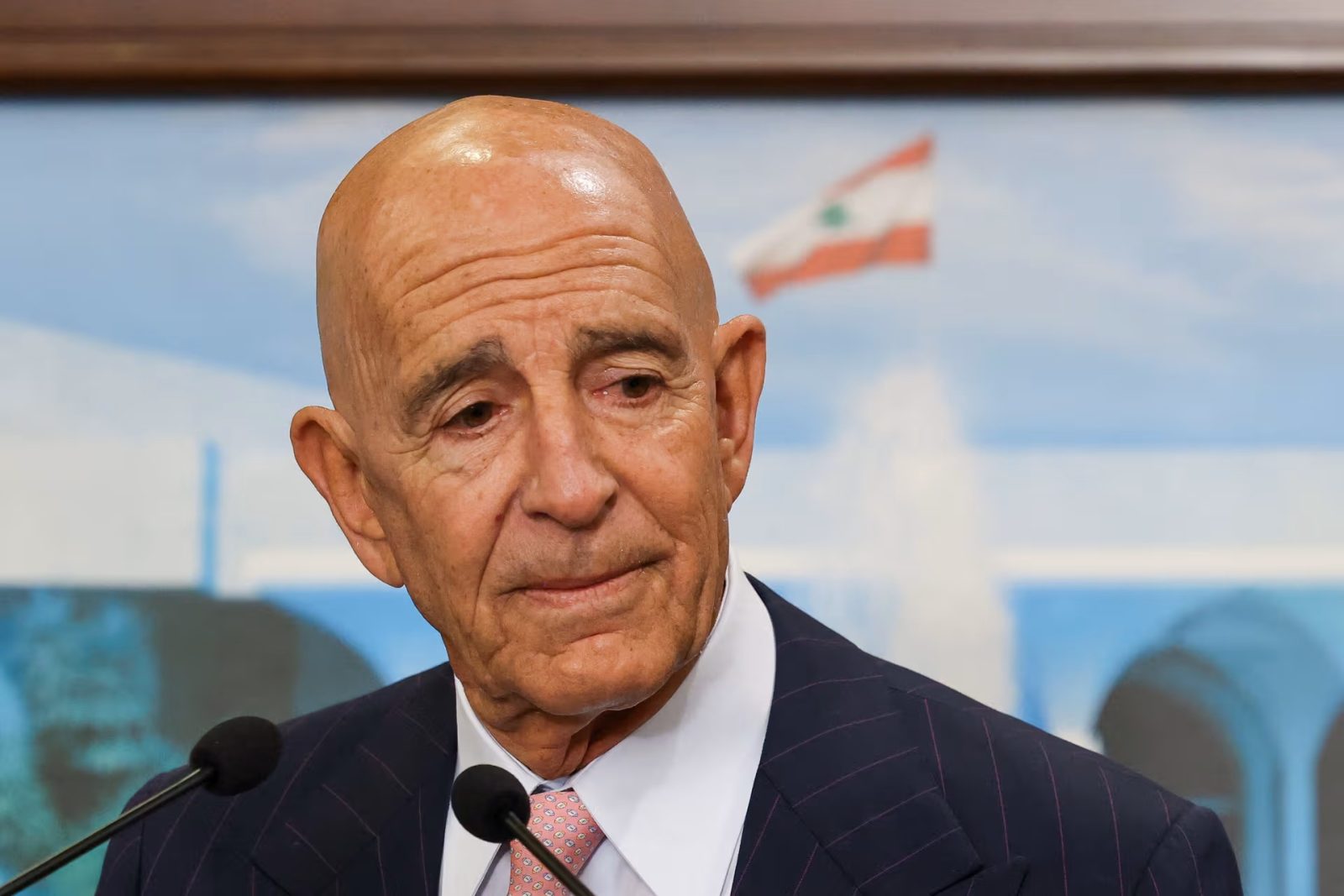
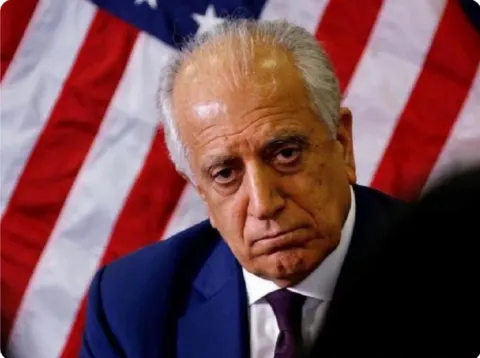
Can Tom Barak be held responsible for Syria's instability?
According to Kurdistan Press, the statistical publication, in a report written by Eve Morris Gray, raises the question of whether Barak's diplomacy itself has played a role in the formation of conditions that have kept investors away from Syria?
Barak said in an interview with CNN last week that Syria is not profitable in its current conditions and that it is almost impossible to attract investors. Karam Shaar, a Syrian political economist and former World Bank adviser, described the assessment as “disappointing but generally accurate.” However, Amagi points to a contradiction in Barak’s stance: he sees foreign investment as essential to Syria’s stability, but at the same time he supports a political settlement based on a strong government in Damascus and Syria’s integration into a regional order led by the United States, an approach that may itself contribute to the continued instability.
For Barak, rebuilding Syria is part of a geopolitical plan to link Mesopotamia, the Levant, Turkey, and the Persian Gulf. At a U.S.-Iraq business summit in July, he spoke of a regional model that could reduce the strategic importance of the Strait of Hormuz and turn Syria into a hub for energy and trade, and a route connecting producers to European markets. Barak has also supported the transitional government of Ahmed al-Sharaa, calling Syria a “laboratory for a new regional diplomatic convergence.” His plan includes closer cooperation between Washington, Ankara, Riyadh, and Damascus, a possible security agreement, and normalization of Syrian-Israeli relations. Such an arrangement may be a strategic gain for Washington, Amargi writes, but regional alignment does not necessarily guarantee political representation, security, and sovereignty for Syrians.
Amargi's central criticism of Barak is his support for the concentration of power in Damascus and his opposition to federalism and decentralized models of governance.
A Reuters investigation reported that Syrian leaders had interpreted US diplomatic messages, including Barak's support for a centralized government, as a tacit agreement by Washington to the Syrian army entering Sweida in July 2025. The Syrian Foreign Ministry denied this perception and the influence of Barak's remarks on the decision to send troops.
The statistical report concludes by emphasizing that Barak rightly points to the destruction of infrastructure, weak institutions, property disputes, and insecurity as obstacles to investment, but these problems cannot be separated from the political choices of the transition period. A strategy that relies on the concentration of power and military integration, without ensuring the political participation and security of different communities, may deepen instability. The key question is whether US policy will pave the way for a long-term and comprehensive reconstruction of Syria or prioritize short-term geopolitical goals.


User comments