
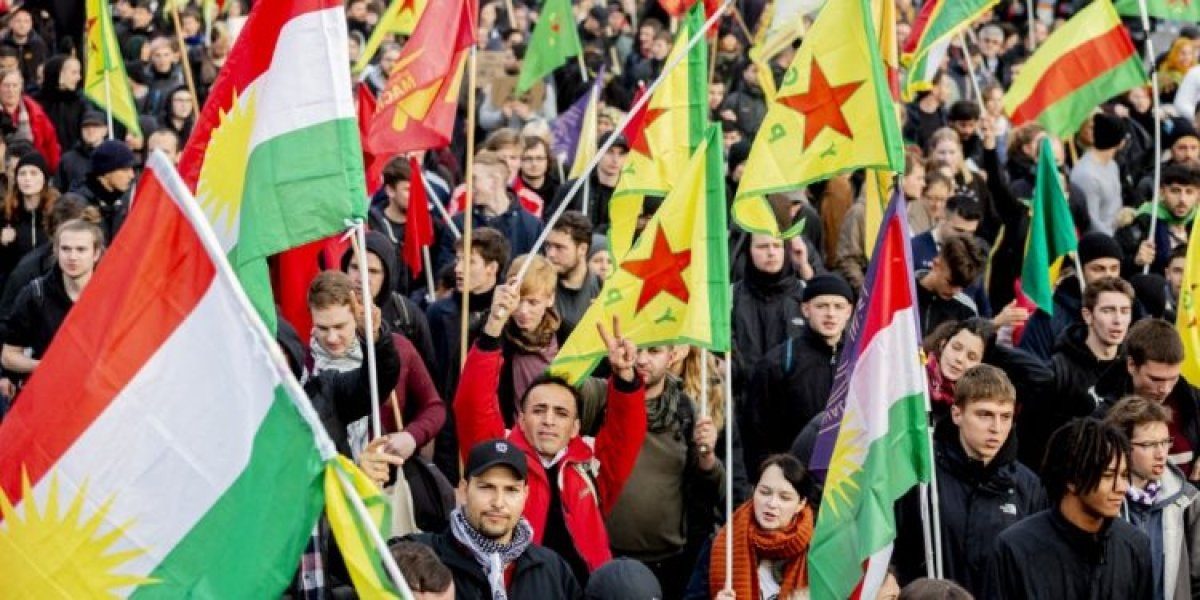
War, Identity, and the Logic of Naming in Kurdish Areas of Syria
According to KurdPress, the developments in Syria over the past decade have changed the position of the Kurds in the country's political and social equations and have increased the attention of international academic and research circles to their identity, social structures, and political experience. In an article titled “The Rojava Wars and the Logic of Naming,” published in the Center for Kurdish Studies, Kurdish scholar Ibrahim Mahmoud examines the historical and political dimensions of these developments, showing how war, shifting balances of power, and social changes can influence the formation of collective identities and perceptions of political geography.
The main focus of the article is to examine the place of the title “Rojava” in contemporary Syrian developments and how it has transformed from a geographical term into a concept with political, cultural, and social dimensions. The author believes that the importance of this title is not limited to the choice of a name, but rather reflects a deeper change in the position of the Syrian Kurdish community and its increased presence in the political and international arena.
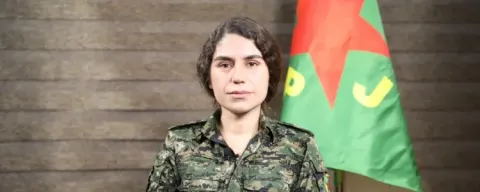
According to the author, before the start of the Syrian crisis in 2011, the Kurds of this country were mainly introduced within the framework of the political and demographic structure of Syria, and their independent presence was not very prominent in the international political and research literature. However, the civil war, the weakening of the central structures of the state, and the spread of the ISIS threat created different conditions. As a result of these developments, the Kurdish forces became one of the important security and political actors in Syria, and the autonomous administration was formed as a new experience in organizing local affairs.
The main message of the article is that understanding contemporary developments in Syria requires paying attention to the links between history, geography, identity, and power relations. The experience of the Kurdish regions of Syria shows that political and military developments can pave the way for the emergence of new social identities and the redefinition of the positions of different groups. However, the future of this experience will still depend on how the relations between local institutions and the Syrian political structure are regulated, the cultural and social rights of citizens are guaranteed, and the conditions for stability and political participation are provided.

User comments