
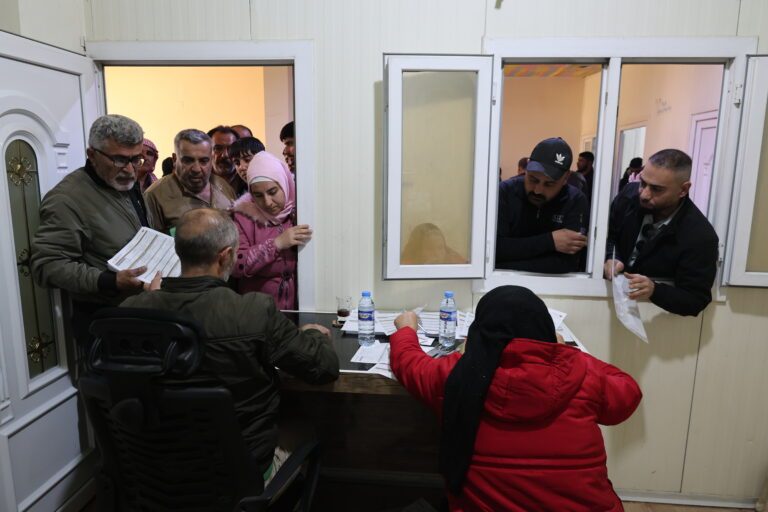
Thousands of Syrian Kurds living abroad are denied the right to restore their citizenship
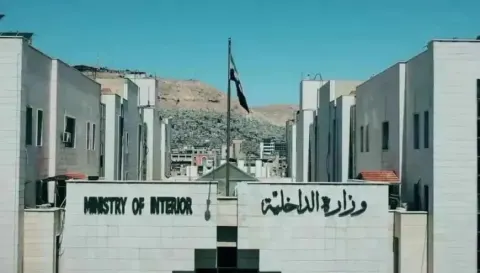
According to Kurdpress, thousands of Syrian Kurds living abroad are still denied the right to register applications for citizenship despite the issuance of a decree to restore the citizenship revoked in the 1962 census. The Syrian transitional government has limited the registration process to within the country; an issue that has been met with protests from human rights activists and their demand to provide the possibility of registering applications through Syrian embassies and consulates.According to the Statistical Journal, in January 2026, the Syrian transitional government issued Decree No. 13, abolishing the laws and exceptional measures resulting from the 1962 census in Hasakah province and promising to restore citizenship to Kurds who had been deprived of this right. However, administrative and bureaucratic obstacles and restrictions on registering applications inside Syria have hampered the implementation of the decree.
Karima Reşko, a 42-year-old Kurdish woman from Qamishli who immigrated to Germany more than a decade ago, is one of those affected by the census. Despite receiving permanent residency in Germany, she has been waiting for three years to receive German citizenship because German authorities do not consider her existing documents sufficient to prove Syrian citizenship.
This problem has also affected her children’s citizenship applications.Despite being born in Germany and having birth certificates, Reshko’s children continue to face difficulties because their parents’ marriage was not registered in Syria and they lacked the necessary documents in the country’s civil registration system.
The 1962 census in Hasakah province stripped a large number of Kurds of Syrian citizenship. Some were registered as foreigners and were denied rights such as property ownership, voting, employment in government institutions and obtaining passports. Another group was not registered in the civil registration system at all and faced difficulties registering births, marriages and deaths and accessing public services.
Reshko, who graduated in English in Damascus in 2009, was unable to use his university degree for employment because he lacked formal qualifications.He believes that the deprivation caused by the census has affected not only the lives of past generations, but also the life chances of their children.
Abdul Halim Suleiman, a Syrian journalist specializing in Kurdish affairs, has emphasized that the solution to this issue should not be limited to restoring citizenship, but should also include the legal, civil and economic consequences of the decades-long deprivation of Kurds. According to him, thousands of affected people live in the Kurdistan Region of Iraq and other countries and are unable to pursue their cases due to the restrictions on the application process inside Syria.
There is no precise estimate of the number of affected people. In 2011, the number of Syrian Kurds deprived of citizenship was estimated at more than half a million, but the transitional government has not yet published a comprehensive and official statistics on these people.The Network of Stateless Victims in Hasakah has also called on the transitional government to allow applications from outside Syria, prioritize the cases of affected individuals, and examine this issue within the framework of transitional justice.
Abbas Ali Musa, a member of the network, has suggested that the government should establish an online system or use the capacity of embassies and consulates to enable Kurds living outside Syria to register applications and submit documents. He has also called for the publication of statistics on applicants and the results of examining cases, and for damages resulting from the deprivation of citizenship to be addressed.
Legal activists and affected individuals emphasize that resolving this issue should include, in addition to restoring citizenship, examining the deprivation of property ownership, the seizure of agricultural land, and the registration of properties in the names of others.They have also called for recognition of past injustices and compensation for the material and psychological damages caused by more than six decades of deprivation.

User comments