
Should the world be worried about a plague pandemic?
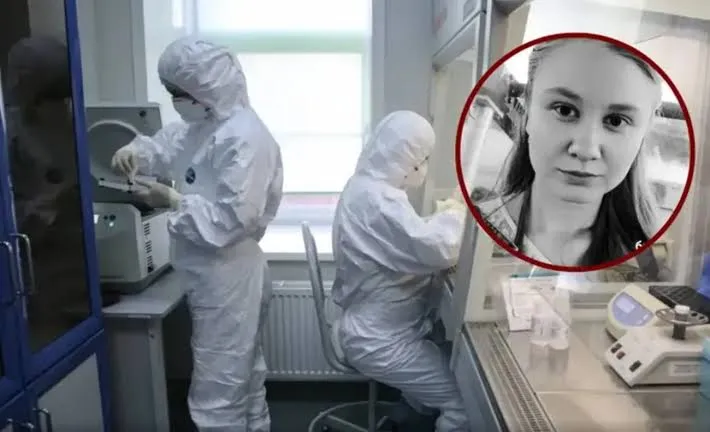
According to Kurdpress, Dr. Mustafa Nourizadeh spoke about the plague in Russia and whether the world should be worried about a new pandemic. He said: The death of a 28-year-old woman who worked at the Irkutsk Anti-Plague Research Institute in Siberia, Russia, has raised concerns in recent days about the possibility of contracting pneumonic plague and the start of a new pandemic.
He continued: About 200 people who came into contact with this woman have been placed under observation, and parts of the hospital where she was hospitalized have also been placed under restrictions.Fortunately, no other cases of plague have been identified among other people, and Russian authorities have continued to report the cause of death as pneumonia of unknown origin, which could be any virus or bacteria. The World Health Organization also announced that, based on available information, the risk to the general population is currently assessed as low.
The university professor said: "Contrary to rumors of the past few days, the plague is a bacterial infectious disease, not a virus, caused by Yersinia pestis, a type of bacteria that naturally occurs in some rodents and infected fleas. The most common form of the disease is bubonic plague, which is usually transmitted through the bite of an infected flea and is accompanied by fever, chills, weakness and painful swelling of the lymph nodes, or buboes."
He noted: "If the bacteria enter the blood, septicemic plague occurs, and if the lungs are involved, pneumonic plague develops."This type of plague is more dangerous than the previous two types, and the infected patient can transmit the disease to nearby people by spreading respiratory particles.
Nourizadeh said: "It is not possible to diagnose plague based on symptoms alone, because fever, weakness, cough, and pulmonary symptoms can also be seen in many other infections. For laboratory confirmation, blood, fluid samples, and sputum can be used, depending on the form of the disease. Specific tests can determine the presence of Yersinia pestis or its antigens, and molecular methods such as PCR or antigen tests are also used in equipped centers.
He clarified: "Contrary to popular belief, plague is not an incurable disease in the present era. Effective antibiotics against Yersinia bacteria are available, and the sooner treatment is started, the greater the chance of saving the patient."According to the CDC, antibiotics such as gentamicin and some fluoroquinolones are considered first-line treatment options. People who have had close and significant contact with a patient with pneumonic plague may also need medical monitoring and, in some cases, antibiotic prophylaxis.
Plague will not become a pandemic because.
The professor at the Azad University of Medical Sciences emphasized: Plague will not become a pandemic because human-to-human transmission mainly becomes important when a person has pneumonic plague. Unlike COVID-19, where presymptomatic and even asymptomatic transmission played a very important role in the global spread, in pneumonic plague, the patient usually develops overt illness quickly. The incubation period of pneumonic plague is usually short, about one to a few days.One of the main problems with Covid was that many infected people were asymptomatic, making it difficult to diagnose and easily infecting others.
He noted: Secondly, there is effective diagnosis and treatment with antibiotics for plague, while Corona still does not have a definitive and 100% cure. Therefore, if a real case is identified, the patient can be treated quickly and close contacts can be tracked and monitored. This feature greatly increases the possibility of breaking the chain of transmission.
Nourizadeh stated: Plague is a relatively rare disease in the world today and, unlike Covid-19, it is not circulating widely and continuously in the human population. Its main reservoir is also in animal ecosystems.Therefore, the Russian incident is now more of a serious health warning and a death of unknown cause than a sign of the start of a new pandemic, and to date, no confirmed cases have been reported among those under observation.
He concluded: "Rapid recognition of symptoms, laboratory diagnosis, immediate initiation of antibiotics in suspected cases, isolation of patients with the pulmonary form, and contact tracing are effective tools for controlling the plague. The main concern in Russia is not the start of a new pandemic, but the need to clarify the cause of death of this patient and ensure that there are no cases of plague."






User comments