
Will the US withdrawal from Iraq unite the Kurds more?
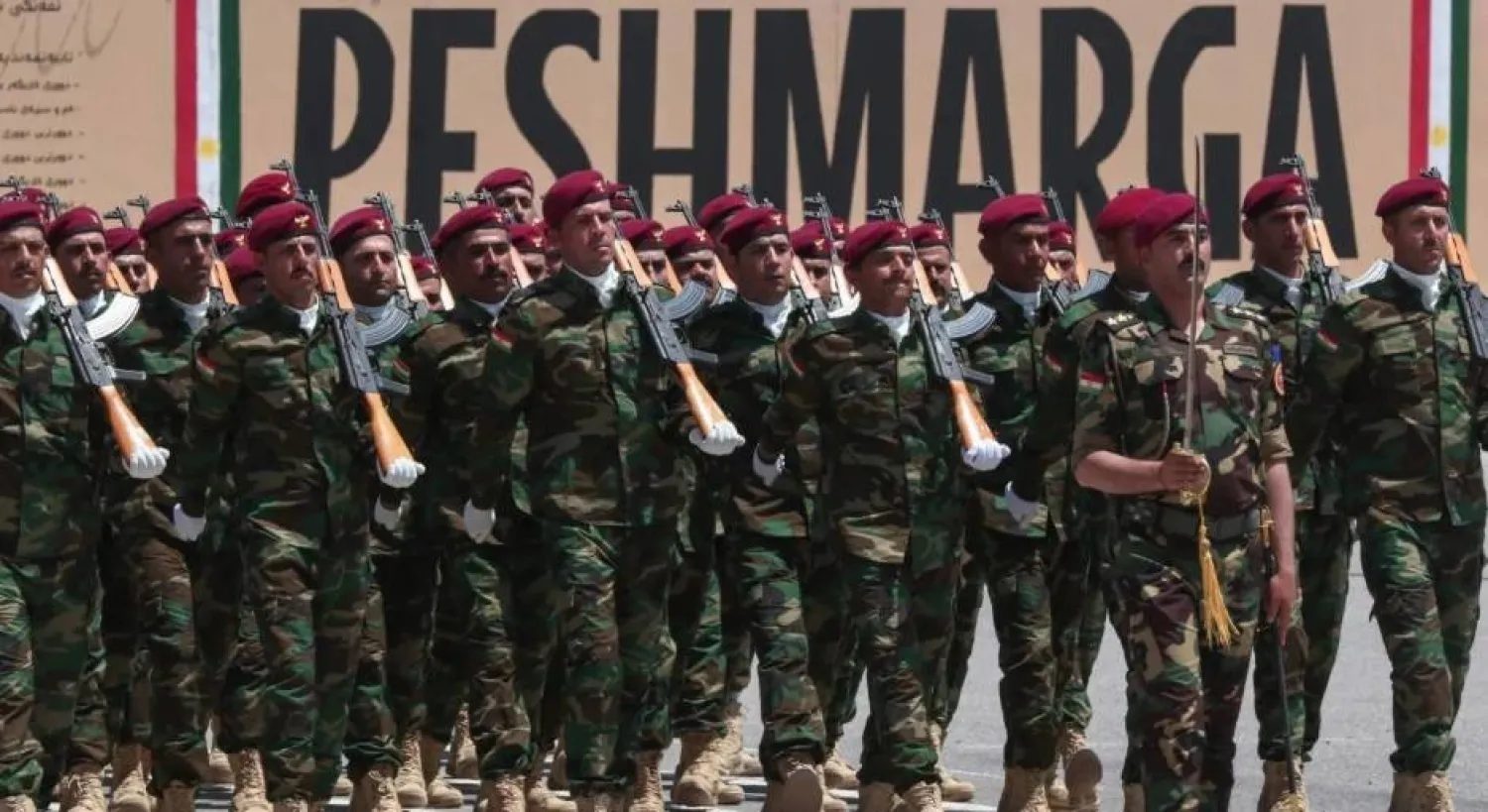
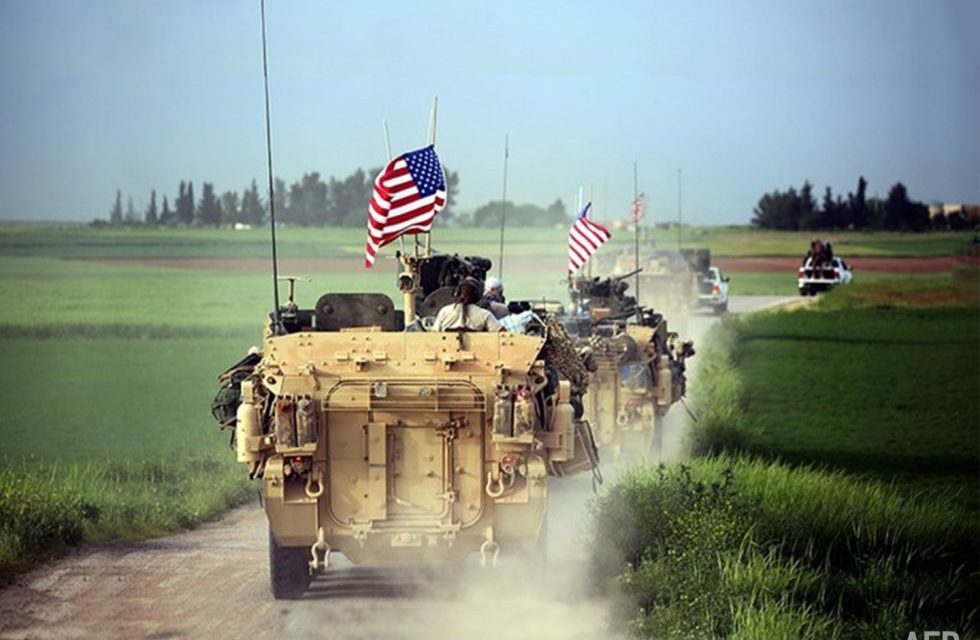
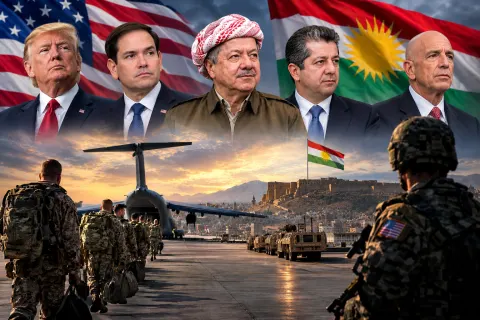
According to KurdPress, the US military withdrawal from Iraq could force the main parties in the Kurdistan Region to cooperate more than before, but Responsible Statecraft believes that the announcement of the unification of the Peshmerga forces does not yet mean the end of the influence of the Kurdistan Democratic Party and the Patriotic Union of Kurdistan over the military structure of the region.The Kurdistan Region of Iraq announced on September 21 that the long process of integrating and organizing the Peshmerga forces under the Ministry of Peshmerga had been completed, but this came just nine days before the final withdrawal of US forces from Iraq. According to Responsible Statecraft, the coincidence of these two events has raised the question of what security structure will replace it in Iraq and the Kurdistan Region after the reduction of the direct US military presence.
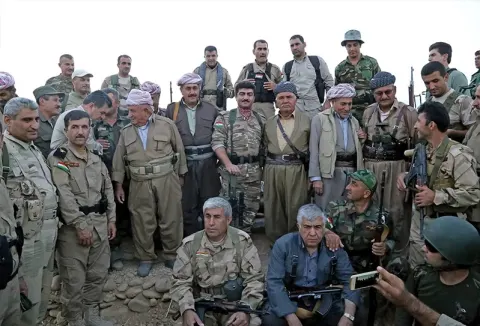
The Peshmerga failed to become a unified military force after the fall of Saddam Hussein in 2003 and were effectively divided between the region’s two main parties. The bulk of these forces remain under the influence of the Kurdistan Democratic Party and the Patriotic Union of Kurdistan.The important question for the new phase is therefore not whether the unity of the Peshmerga has been declared, but whether this structure can in practice remove the military command from party control.
Critics of the unification process also point to the same issue. The First Regional Command remains in the hands of the Democratic Party and the Second Regional Command of the Patriotic Union, and both structures retain the authority to appoint their own division and brigade commanders. In the author’s view, this situation shows that party loyalties still play a decisive role in the Peshmerga structure.
However, the reforms carried out in recent years have also had some achievements.The salaries of Peshmerga forces, regardless of their affiliation to different structures, are now paid through a centralized account in the Peshmerga Ministry, reducing the dependence on parties. Regional authorities have also said they are working to reduce the influence of parties in the Peshmerga structure by the end of the year. Masrour Barzani, the Prime Minister of the Kurdistan Region, has called the integration of the forces “the first step in a long journey.”
According to Responsible Statecraft, the US withdrawal may increase political pressure on the Democratic Party and the Patriotic Union to put aside their differences. Washington has made the integration of the Peshmerga a key condition of its support for years, and now that the US military presence has been reduced, Iraqi and Kurdish institutions must take on a greater share of the responsibility for providing security.In this situation, the role of the United States and its European partners will be limited to training, advising, exchanging information and strengthening the capabilities of local forces.
The issue of groups inside Iraq will also be another challenge in the post-US withdrawal phase. The publication writes that if these groups are not willing to hand over their weapons to the Iraqi government, Baghdad will face greater difficulty in exercising control over the armed groups and the responsibility for resolving this issue will fall more on the Iraqi government than in the past.
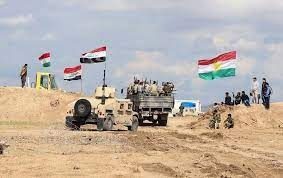
These developments are of particular importance for the Kurdistan Region. The Peshmerga forces are in a volatile region and, on the other hand, are still exposed to the possible threat of the return of ISIS.From this perspective, the author believes that a truly unified Peshmerga could fill part of the security vacuum after the withdrawal of American forces; but the realization of such a role will depend on the region’s success in overcoming political and partisan divisions.
Responsible Statecraft emphasizes that the withdrawal of the international coalition does not mean the end of Iraq’s and the Kurdistan Region’s external security relations, but rather that it will change the nature of these relations. The main test from now on will be whether Kurdish and Iraqi institutions can prevent the return of ISIS and withstand pressure from armed groups and competition from regional powers, without relying directly on the US military presence, or whether internal divisions will once again prevent the formation of a truly unified Kurdish force.
User comments