
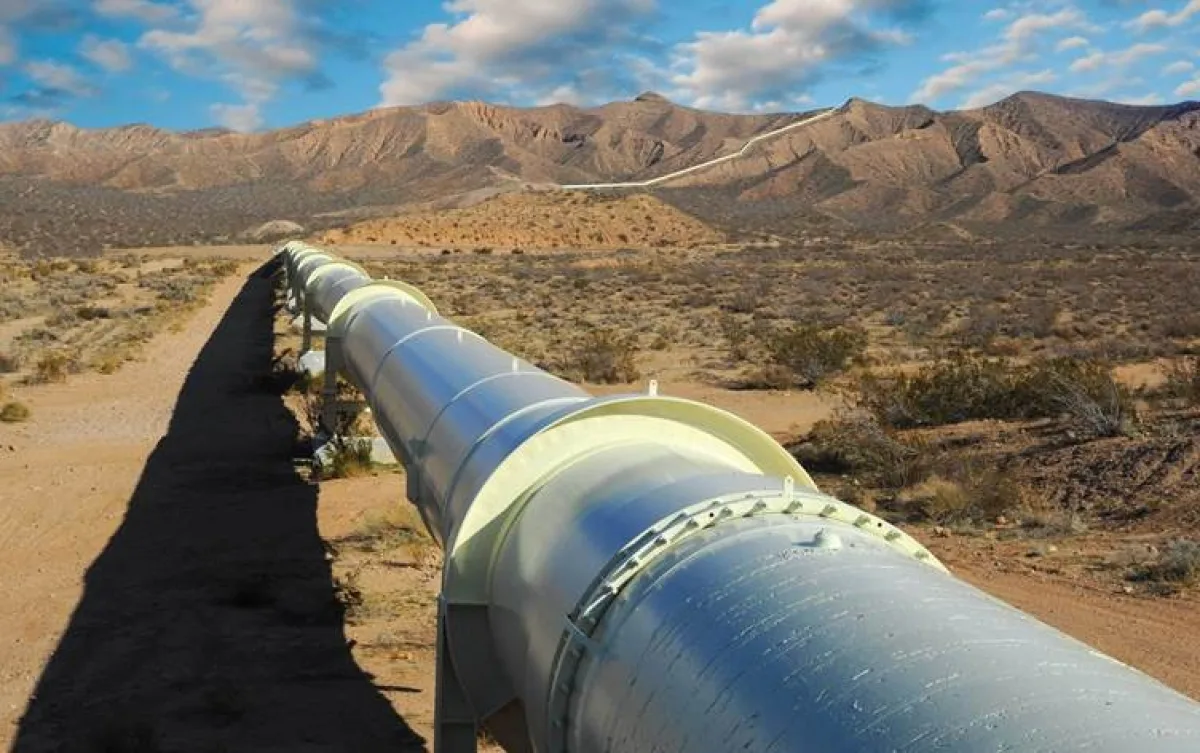
Iraq's New Pipelines; An Opportunity for Baghdad-Erbil Oil Agreement
According to Kurdistan Press, in an article in the New Lines Institute titled "Beyond Pipelines; Integrating the Kurdistan Region into Iraq's Energy Future," Muhammad E. Saleh believes that Iraq's new plan to create a network of oil pipelines from the south of the country to the Mediterranean Sea goes beyond an infrastructure project and an attempt to diversify oil export routes, and could pave the way for a new agreement between Baghdad and Erbil in the political, economic, and security spheres.
Iraq is moving ahead with one of its largest energy infrastructure projects in decades. The project involves building a network of pipelines nearly 1,000 kilometers long that will transport oil from Iraq’s southern fields from Basra to Haditha in Anbar province, and from there it will extend west and north. The western route will connect to the Syrian port of Banias and the northern route to Fish Khabur on the Turkish border, eventually allowing oil to be transported to Turkey’s pipeline network and the port of Ceyhan. There is also the possibility of building a route to the Jordanian port of Aqaba. The total cost of the project is estimated at around $15 billion, and studies and initial stages reportedly began in May. The Iraqi government has also signed preliminary agreements with the US company Chevron, TI Capital and Qatari company UCC Holding to attract foreign capital and technical expertise.
The strategic importance of this project has become more apparent than ever after the Iran-US-Israeli war and the disruption of Iraqi oil export routes through the Strait of Hormuz. According to estimates by Iraq's oil minister, the new pipeline network could add between two and 2.25 million barrels per day to the country's oil export capacity.
Despite the economic importance of this network, the geographical location of the proposed routes and the security conditions of the areas where the pipelines pass could pose serious challenges to its implementation.
ISIS is also considered another potential threat to this export network.
However, the current pipeline plan is designed to bypass much of the Kurdistan Region and does not consider broad participation by the region. The author believes that this approach is not compatible with the region’s geographical, security, and economic capabilities, and Baghdad should change its view of the region from a competing actor in oil disputes to a strategic partner in the development of Iraq’s energy infrastructure.
One of the most important themes of the article is the need to integrate the Kurdistan Region’s oil industry into Iraq’s national energy strategy. The author emphasizes that increasing oil production in the region should not be seen solely as a matter of revenue for the regional government, but rather as part of Iraq’s overall oil production and export capacity. In a situation where southern routes or new pipelines may be disrupted by security, political, or regional crises, the region’s oil production capacity can play an important role in maintaining Iraq’s export capacity.
Mohammed E. Saleh also stressed the need to establish permanent coordination mechanisms between the Federal Government of Iraq and the Kurdistan Regional Government. He suggested that joint specialized committees in the fields of energy, trade, and security should operate regularly and pursue the integration of the region into national energy production plans and regional transmission and trade plans.
Containing armed groups and preventing attacks on energy infrastructure are also requirements for the success of this plan. The author believes that the Iraqi government must take decisive action against any threats to energy projects, especially in the Kurdistan Region, and hold the perpetrators of the attacks accountable.
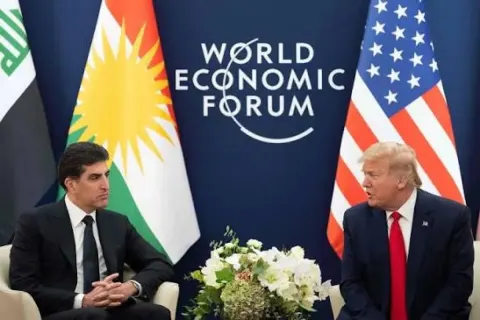
Finally, the article emphasizes the role of the United States in facilitating the energy agreement between Baghdad and Erbil. From the author's perspective, cooperation between Baghdad and Erbil in the energy sector, in addition to strengthening Iraq's economic stability, can pave the way for the creation of a sustainable framework for political and security coordination between the federal government and the Kurdistan Region



User comments