
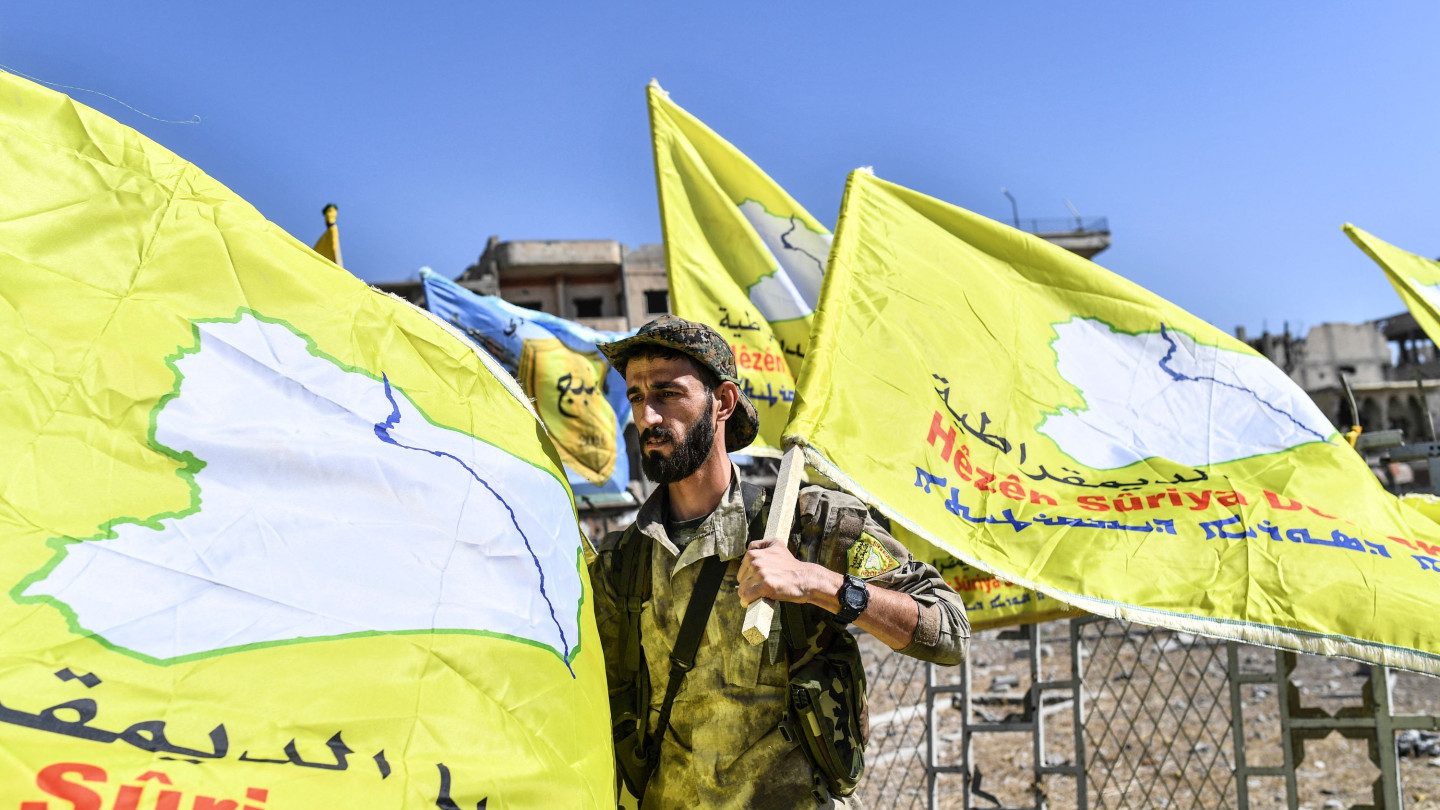
The main challenges of the Kurds after the dissolution of the Syrian Democratic Forces
According to KurdPress, the dissolution of the Syrian Democratic Forces on August 25, 2026, put an end to a military structure that had been the main pillar of the Kurdish self-government experience in northeastern Syria for the past 14 years; however, the integration of the military forces and civilian institutions of this region into the structure of the Syrian government has not yet been completed, and the future of Kurdish rights is still facing significant uncertainties.
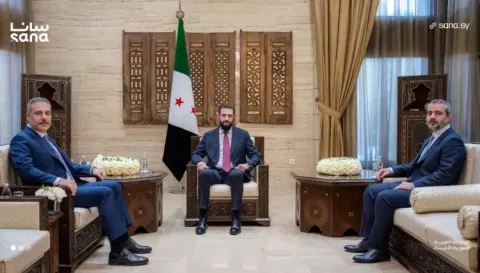
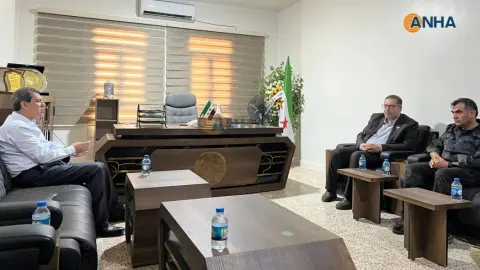
According to an analysis by Sian Ward in New Arab, the dissolution of the Syrian Democratic Forces took place after these forces reached an agreement with the Damascus government and the integration process progressed.The commander-in-chief of the Syrian Democratic Forces, Mazloum Abdi (Kobani), is set to serve as a special advisor to Syrian President Ahmed al-Sharaa, and a number of the forces’ senior leaders will also take up positions in government structures. Sefan Hamo, the former commander of the People’s Protection Units, has already been appointed deputy defense minister in the eastern region, and reports suggest that Ilham Ahmed, the head of the SDF’s civilian administration, may be in parliament.
Despite the official announcement of the dissolution, some experts believe that the move is more symbolic than an immediate end to the existing structures.Alexander McKeever, a researcher and writer for the newsletter This Week in Northern Syria, says that the military and civilian structures of the SDF are still operating in the field and are continuing to integrate, alongside government institutions that are simultaneously expanding their presence.
One of the most important unresolved issues is the fate of the Women’s Defense Units. Mazloum Abdi had announced that the military forces of the SDF have been fully integrated into the Ministry of Defense, but the Women’s Defense Units were not included in this process. The force, which is an all-female military force, has faced opposition from the Syrian government to joining the Ministry of Defense, according to McKeever.After the announcement of the dissolution of the Syrian Democratic Forces, the Women’s Defense Units announced that they had met with the Syrian Ministry of Interior to discuss the possibility of integrating the force into the ministry as an organized and independent force. Earlier, there were reports that the force was proposed to form a counterterrorism unit within the Ministry of Defense, but a spokesperson for the Women’s Defense Units denied these reports.
Moez Abdullah, Middle East research director at ACLED, believes that the announcement of the dissolution of the Syrian Democratic Forces before the issue of the Women’s Defense Units was resolved, indicates the balance of power in the negotiations and Damascus’ greater ability to dictate the terms of the agreement. He warned that leaving a group of trained forces behind could increase the risk of them confronting the government, either organized or individual, in the future.Along with the security issue, the future of the Kurdish language in the education system in northeastern Syria is another major challenge. Many Kurds fear a return to the conditions that existed before 2012, during the rule of Bashar al-Assad, when, according to McKeever, Kurdish identity was not recognized as a legitimate part of Syrian identity and Kurdish language teaching and cultural expression were banned.
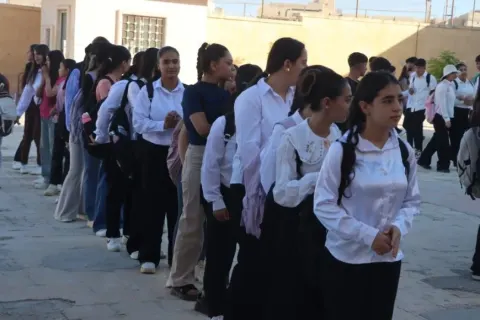
In January, following the government’s operation against the Syrian Democratic Forces, Ahmed al-Sharaa announced that Kurdish would be recognized as a “national language.” However, this decision does not mean that Kurdish will become the official language of Syria. Syria still does not have a full constitution, and the legal status of the Kurdish language may be determined in the process of drafting a future constitution.The integration agreement includes a one-year transition period during which Kurdish language instruction will continue for three hours a week, with one hour devoted to optional subjects such as women’s history, sociology or philosophy. However, the status of Kurdish language instruction after this period has not yet been determined. This is significant, as Kurdish has been the main language of instruction in areas under SDF control for the past 14 years, and the main dispute between Damascus and the forces now revolves around whether the future curriculum will be fully translated into Kurdish.
The developments in Syria are also directly linked to the peace process between Turkey and the Kurdistan Workers’ Party, PKK. New Arab believes that the dissolution of the SDF would have been much more difficult without a parallel dialogue process between Ankara and the PKK.Turkey considers the SDF to be the Syrian branch of the PKK, and therefore, according to Muez Abdullah, Turkey is one of the main winners of the recent developments.
Henry Barkey, a senior fellow at the Council on Foreign Relations, also believes that the developments in Syria could be important for the Kurds in Turkey. According to him, the agreement between Damascus and the SDF on the rights of the Kurds to maintain the Kurdish language, although restrictive from the point of view of the Syrian Kurds, still provides better conditions than the current situation of the Kurds in Turkey and may encourage the Kurds in Turkey to use the Syrian experience as a model for their demands in negotiations with Ankara.
Integration also faces serious obstacles at the social level. On the one hand, the Syrian government is trying to consolidate its control over the northeast and, on the other hand, to reduce the Kurdish concerns and distrust of the new government.Part of the Kurdish community is skeptical of the government’s Islamist background and its history of violence against minorities, including the Alawites and Druze. Conversely, parts of the region’s Arab communities are also skeptical of the Syrian Democratic Forces and its leadership, believing that, despite their official emphasis on ethnic pluralism, they have created a structure that has given too much power to Kurdish communities.
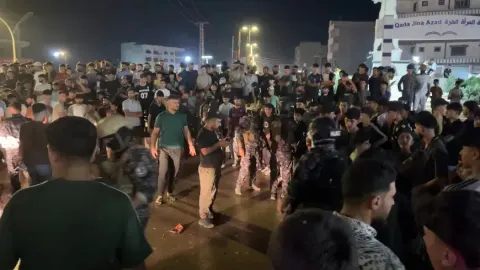
According to McKeever, one of the biggest challenges of the new phase is rebuilding social bonds between communities that have been largely separated from each other for the past decade. The return of displaced Kurds to predominantly Arab areas, and the return of displaced Arabs to Kurdish areas, could create new tensions. In August, an attack on a convoy of displaced Kurds returning to Serikani led to a day of unrest in Hasakah and Qamishli.A day later, an attack by unknown individuals on a security post where former Syrian Democratic Forces forces, newly integrated into the Ministry of Defense, were stationed, left three dead and several injured.
Meanwhile, Moez Abdullah considers the main risk to be the politicization of the integration process; meaning that the Kurds do not actually enter the Syrian national political community and continue to base their Kurdish identity on it rather than considering themselves Syrian. From this perspective, the appointment of senior leaders of the Syrian Democratic Forces in the government structure could have been done with the aim of playing a mediating role between the government and the Kurdish community; because these leaders still enjoy influence and support among a part of the Kurdish community.
Nevertheless, the integration process is still ongoing, and the formal dissolution of the Syrian Democratic Forces has accelerated some developments on the ground.The Syrian government’s internal security forces, which were previously mostly based in a few government centers, have increased their presence in a number of Arab neighborhoods in Hasakah. At the same time, some internal security units of the Syrian Democratic Forces have also entered the integration process and are expected to conduct their security patrols under the Syrian flag in the future.
Overall, New Arab’s analysis suggests that the dissolution of the SDF should not be seen as the end of the Syrian Kurdish issue. Rather, it is the end of a 14-year-old military and political structure and the beginning of a new phase in which the dispute has shifted from territorial control to issues such as linguistic rights, the place of Kurdish forces in the security structure, political participation, and rebuilding trust between Kurds and Arabs.At the same time, Damascus’ success in integrating the northeast could allow the Syrian government to turn its attention to other areas outside full government control, particularly Sweida.
From this perspective, the main challenge in the post-SDF phase is not simply integrating military forces, but also transforming a security agreement into political and social arrangements that can integrate the Kurds into the Syrian national structure, without eroding their linguistic and cultural rights and without turning existing ethnic and security divisions into a source of new conflict.
User comments