Changing Western Perspective on the Kurdistan Region of Iraq
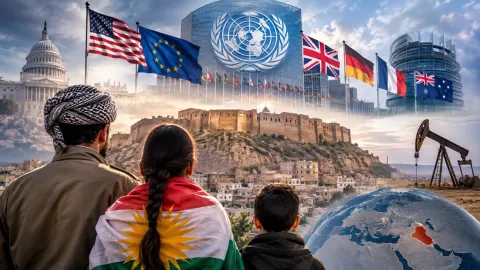
According to KurdPress, the positions of Western governments, international institutions, American and European media, and think tanks in 2026 show that the West's perspective on the Iraqi Kurds is entering a different phase. At the same time, strengthening the authority of the Iraqi central government, controlling oil resources and border crossings, limiting armed groups outside the government's command, and reducing the influence of neighboring countries have become the main priorities of Western policy in Iraq.
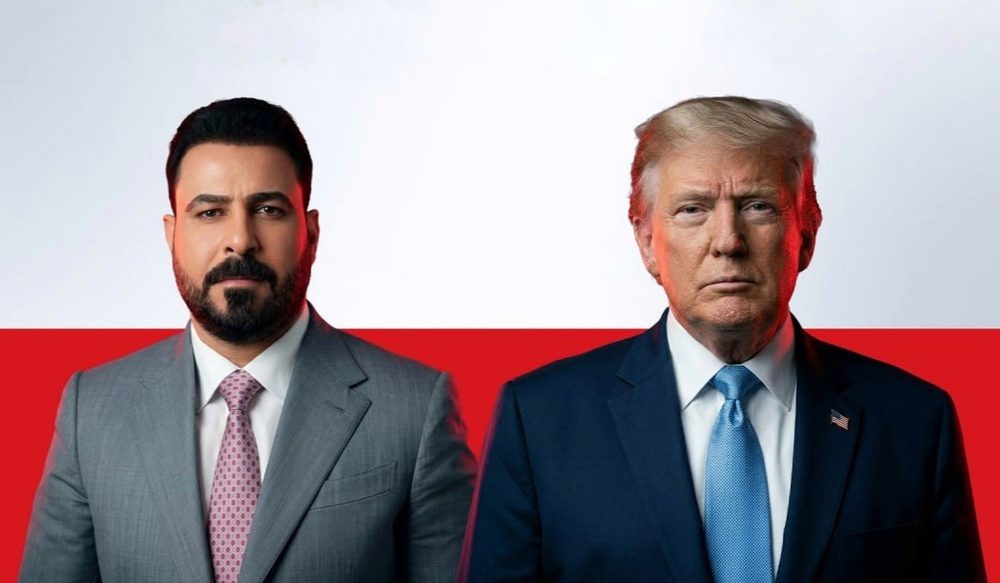
On November 27, 2026, on the Truth Social Network, US President Donald Trump supported Iraqi Prime Minister Ali al-Zaidi's efforts to expand government authority across the country, combat oil smuggling, end corruption, and place all weapons under the exclusive control of the government.
Although Trump did not directly speak of abolishing federalism or limiting the constitutional rights of the region, his support for Al-Zaidi's actions in such circumstances reinforced the perception that the US government did not seriously oppose increasing the concentration of power in Baghdad.
However, the US State Department on November 28 sought to avoid the perception that Washington had backed down on the Kurdistan Region's legal rights. Because Washington still considers the Kurdistan Region to be part of Iraq's federal structure and to have a specific legal status
Victoria Taylor, former assistant secretary of state for Iraq and Iran and director of the Iraq Initiative at the Atlantic Council, has been an outspoken critic of Trump's stance. She wrote on X Network on November 27 that the US president's statements supporting Ali al-Zaidi were like throwing a grenade into the middle of the Baghdad-Irbil conflict.
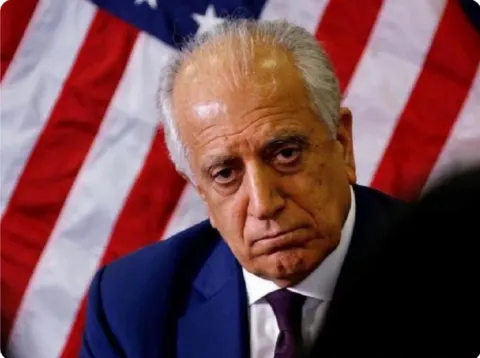
Zalmay Khalilzad, the former US ambassador to Iraq and former representative to the United Nations, also warned on November 26 about the escalation of the differences between Erbil and Baghdad. He wrote on X Network that relations between the central government and the Kurdistan Region have entered a crisis a few weeks after the withdrawal of US forces from Iraq.
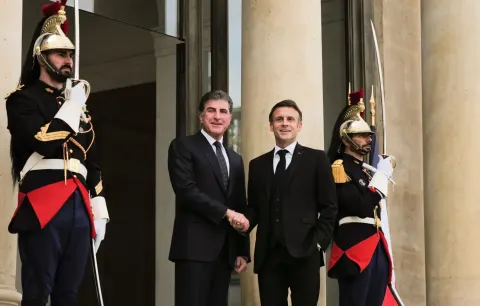
French President Emmanuel Macron also spoke with Nechirvan Barzani, the president of the Kurdistan Region, on November 29, 2026, after a phone call with Ali al-Zaidi. According to information provided by a source at the Elysee Palace, in this call, Macron called on Baghdad and Erbil to resolve their differences through dialogue and within the framework of the Iraqi constitution.
The European Union has also emphasized in recent statements that the differences between Baghdad and Erbil should be resolved through dialogue. The EU spokesperson announced on November 28 that Brussels is closely following developments in Iraq and calls on the federal government and the Kurdistan Regional Government to resolve their differences through constructive dialogue.
Britain is a politically and historically important country in the Kurdistan Region's foreign relations. The government continues to recognize the region's federal status within the framework of the Iraqi constitution, but London's security priority is more focused on strengthening central government institutions and transferring responsibility for fighting ISIS to Iraqi forces.
In its stances, the German government has supported Ali al-Zaidi's efforts to disarm armed groups and has announced that cooperation with Iraq will continue through diplomatic relations and security advice.
NATO has also focused its policy in Iraq on strengthening the central government's security institutions. The NATO mission in Iraq began in 2018 at the request of the federal government and aims to train, advise, and reform the structure of the Iraqi armed forces and security institutions.
However, the reality is that as of November 29, 2026, there is no sign that the United States or European countries are prepared to pay a significant political and security cost to prevent the concentration of power in Baghdad. The West continues to support the Kurdistan Region as a federal unit, but is unwilling to be the practical guarantor of maintaining the balance of power between Erbil and Baghdad, as it was in the past.
User comments