
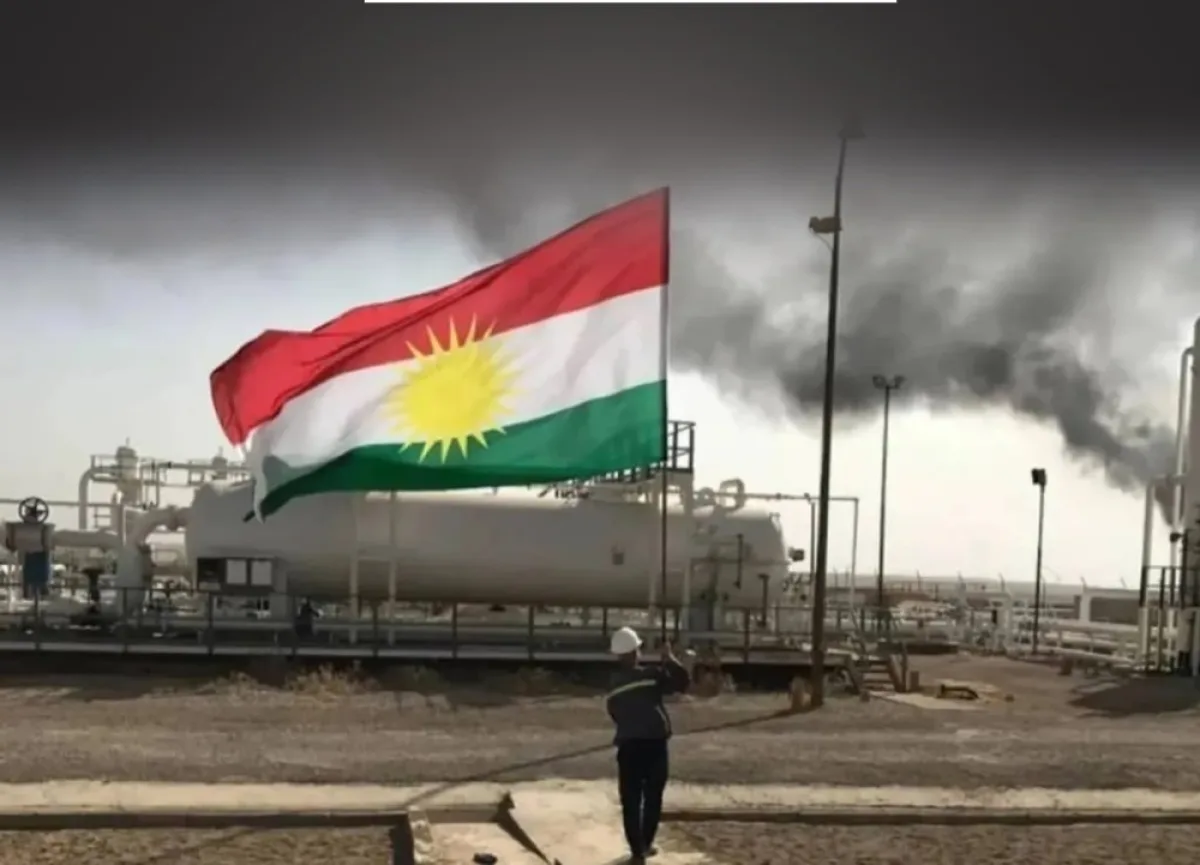
Baghdad's messages about controlling the Kurdistan Region's oil
National: Baghdad’s control of Kurdistan Region oil could destabilize Iraq and the region
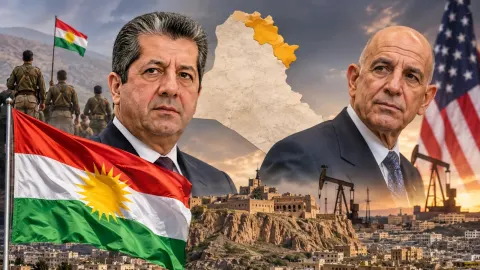
Yerevan Saeed, director of the Global Kurdish Initiative for Peace at the American University in Washington, warned in an analysis in the Emirati newspaper National that the Iraqi government’s attempt to seize control of the Kurdistan Region’s oil resources and border crossings could weaken the country’s federal structure and pave the way for political authoritarianism, internal conflict, and increased regional instability.
According to Kurdistan Press, Saeed stressed in a note published on November 26 that the fight against oil smuggling should not be an excuse to weaken the legitimate authority of the Kurdistan Regional Government, referring to Iraqi Prime Minister Ali al-Zaidi’s order to impose federal government control over border crossings and oil fields controlled by the Kurds in the disputed areas.
According to the analyst, the 2005 Iraqi constitution recognized the Kurdistan Region as a federal region and granted it specific legislative, executive, and judicial powers. While the central government has authority in areas such as national security and customs policy, managing oil resources and customs requires cooperation between Baghdad and Erbil.
Saeed believes that Baghdad’s recent actions continue a trend that has limited the Kurdistan Region’s powers over the past years through federal court rulings and financial pressures. In 2022, the Iraqi Federal Court declared the region’s oil and gas law unconstitutional and last year called for the region’s revenues to be transferred to the central government’s treasury. He believes that adding military pressure to these judicial and financial measures could irreversibly change the balance between the federal government and the region.
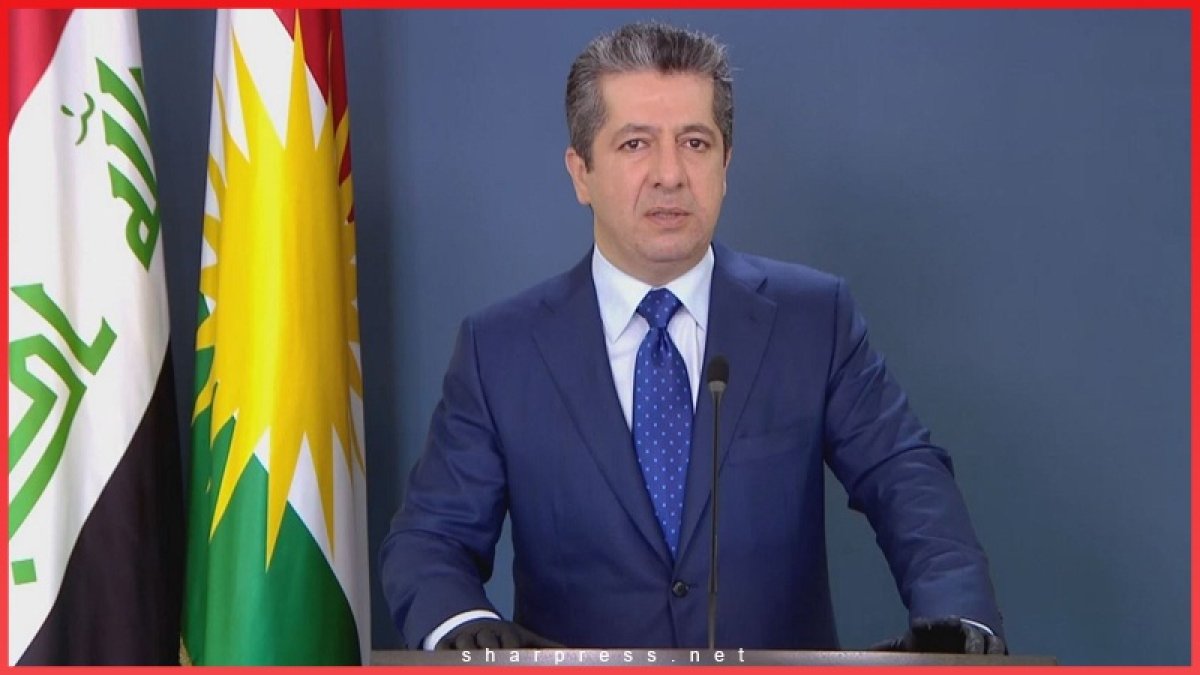
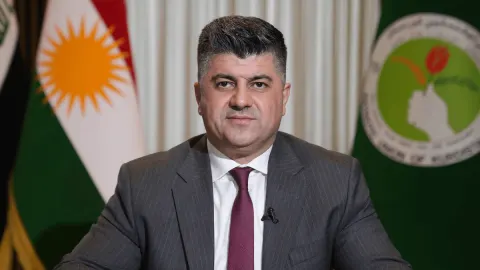
Yervan Saeed, meanwhile, described the joint response of the Kurdistan Democratic Party and the Patriotic Union of Kurdistan to Baghdad's actions as a sign of a temporary easing of internal Kurdish disputes. According to him, Nechirvan Barzani, the president of the Kurdistan Region, has rejected military threats, and Bafel Talabani, the head of the Patriotic Union of Kurdistan, has also emphasized defending the legitimate rights of the Kurds. This joint position could provide an opportunity to heal political divisions in the region.
He also warned that the conflict between federal forces and the Peshmerga could weaken security coordination in the disputed areas and give ISIS remnants a chance to rebuild. He believed that the reduction in security cooperation between Baghdad and Erbil could also pave the way for the expansion of armed groups and the increase in the influence of forces on Iraq’s strategic routes.
Referring to the withdrawal of US forces from the Kurdistan Region in September, Saeed stressed that Washington still has a direct interest in the security of the region.
According to the analyst, the presence of American energy companies in the Kurdistan Region is another reason why the stability of the region is important to Washington. He believes that military pressure on the region could drive away legitimate investors from the region and pave the way for more opaque intermediaries in the oil trade.
Finally, Saeed considered the adoption of the comprehensive Iraqi oil and gas law as the main solution to resolve the differences between Baghdad and Erbil, and suggested that a joint mechanism be established with the participation of technical experts to investigate allegations of oil smuggling and resolve administrative disputes. He also called on the United States and Arab countries to condition their diplomatic, financial, and security support for Baghdad on adherence to the principles of federalism and a peaceful resolution of disputes with the Kurdistan Region.
The analyst emphasized that Ali al-Zaidi cannot achieve strengthening Iraqi sovereignty by weakening the Kurdistan Region, and that replacing forced centralization with a federal structure will not only not solve the country's problems, but could also increase internal and regional instability.
User comments