Will the Iraqi Kurdistan Region suffer the same fate as the Syrian Kurdish Autonomous Administration?
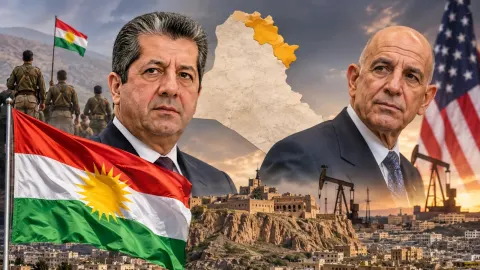
According to Kurdistan Press, the increasing pressure from the Iraqi central government to take control of the Kurdistan Region's oil resources, financial revenues, and border crossings, along with the withdrawal of American forces and the reduction of Washington's practical support for independent Kurdish structures, has raised concerns about the future of the region's political and legal status. Iraqi Prime Minister Ali al-Zaidi’s new orders to expand federal government authority in areas under the control of the Kurdistan Regional Government, along with the positions of Tom Barak, the US special envoy for Syria and Iraq, on the need to resolve Kurdish disputes with Baghdad and for Washington to refrain from intervention, bear similarities to the trend that led to the loss of a significant part of the authority of the Kurdish autonomous administration in Syria.
On November 24, 2026, Ali al-Zaidi issued a series of orders to expand federal government control over the Kurdistan Region’s oil resources and border crossings. According to these orders, the management of all border crossings in the region should be transferred to the central government’s Border Crossings Organization, and the regional government should not make decisions on the export of crude oil and petroleum products without permission from the Iraqi Ministry of Oil.
The Iraqi Prime Minister's Office justified these measures in the context of combating oil smuggling, preventing the waste of national resources, and exercising the sovereignty of the federal government. The decisions were taken after an investigation into the oil smuggling network in the state-owned Northern Oil Company and at a time when Baghdad and Erbil continue to disagree over the ownership and management of oil fields and the legal authority of the two sides.
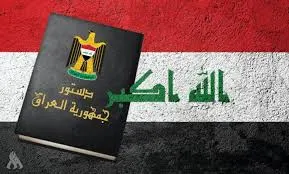
The Kurdistan Democratic Party and the Patriotic Union also described the central government's decisions on controlling oil fields and border crossings as unexpected and surprising, and warned that weakening the political existence of the Kurdistan Region is their red line. The two parties emphasized that the region has no demands beyond the rights stipulated in the Iraqi constitution and that the differences between Erbil and Baghdad must be resolved through the constitution.
The similarity of Washington's positions in the two cases of Iraq and Syria has been noted in that in both cases the United States has emphasized the necessity of an agreement between the Kurds and the central government and has refused to provide clear guarantees for the preservation of independent Kurdish military and administrative structures. However, in Iraq, Tom Barak has not supported the abolition of the federal system or the dissolution of the regional government and has simply placed the responsibility for resolving disputes on the Iraqi parties.
The region's financial dependence on Baghdad is another important aspect of these developments. Over the past years, the regional government has repeatedly faced delays in receiving its budget share and paying the salaries of government employees due to oil and budget disputes with the central government.
In Syria, control of economic resources and oil fields in the north and east of the country was one of the most important points of contention between Damascus and the Syrian Democratic Forces. By transferring a significant portion of these resources to the control of the central government, the ability of the autonomous administration to independently finance its expenses and maintain its economic structures was limited.
Despite the similarities between the developments in Iraq and Syria, the Kurdistan Region has a different legal status. It is recognized as a federal unit under the 2005 Iraqi constitution, with a government, parliament, and Peshmarga forces. In contrast, the Autonomous Administration of North and East Syria did not have a similar legal status in the country's constitution.
User comments