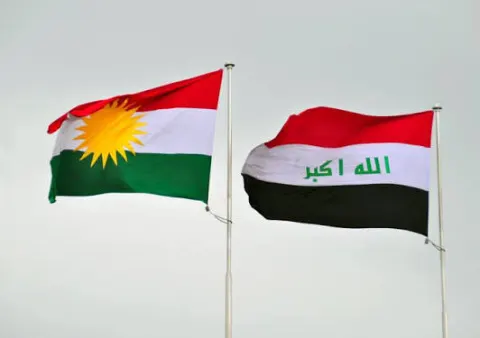
Kurdistan Region and Baghdad; What is happening? / Dilshad Anwar
Kurdpress
Last week, at the height of the differences between the militia and Zaidi groups over the Jurf al-Sakhr region, I divided the situation into two stages, stage by stage; the first stage was Jurf al-Sakhr and the second stage was the Kurdistan Region. The developments related to the region have shown themselves earlier than expected.
Before answering the question of what is happening and when the plans were designed in Baghdad, I consider it necessary to mention a series of other events that have occurred in the past few days. The current situation is not unprecedented.
When Zaidi attacked Jurf al-Sakhr, Washington asked him to show more leniency towards the Kurdistan Region; but after that, Tom Barak contacted the White House and obtained their agreement with Zaidi’s continued actions against the Kurdistan Region.
Then Faleh Fayyaz came to the Kurdistan Region with a message to meet with Barzani; but Barzani rejected Baghdad’s demands. At the same time, a phone call was made between Barzani and Zaidi in the presence of Faleh Fayyaz.
Barzani demanded to take into account the different conditions and realities of the Kurdistan Region; but Zaidi rejected this issue and pointed out that he would implement the constitution and would not take any action outside the framework of the constitution. For this reason, the call ended without any result. Zaidi has also raised the issue in his private meetings that he does not intend to become prime minister again and does not need to please and be considerate of various parties. He has also pointed out that he himself comes from the business world and is aware of the details of the situation; therefore, he is working seriously and without consideration to implement his agenda and plans.
The Iraqi government wants to return the areas and oil wells that were under the control of the Iraqi government before 2003. This issue also includes the Safiya, Khurmala and Kormor oil wells. In addition, Baghdad wants to take control of the oil file.
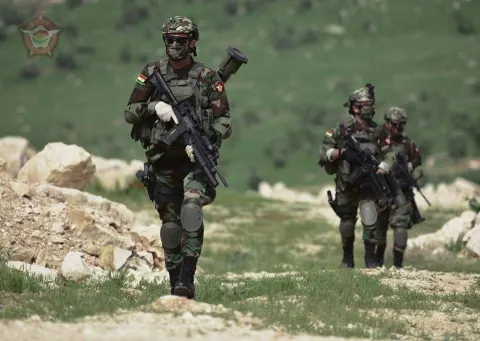
Taxes, customs and supervision of these files are also among the other demands of the Iraqi government. In other words, Iraq wants to take control of all files that, according to the constitution, should be under the control of the central government. In the next stage, the pressure will also include the Peshmerga forces.
The Kurdistan Region, and specifically the Democratic Party, will undoubtedly not agree with Baghdad’s demands; hence the tension. This tension may lead to the use of force to control the oil wells or to referring the case to federal court.
Although Zaidi has promised to exclude the payment of the region’s rights from the dispute, if the situation becomes complicated, several options will be presented; including using the budget as a tool of pressure, or sending one region’s share of the budget and stopping the share of another region.
So, we are now at the beginning of the tension. It is difficult to predict the outcome of this situation, which is not far off, and there is a possibility of reaching an agreement. But regarding the question of when the plans were designed in Baghdad:
These plans were designed since the referendum and during a period when the agendas of Iran and Turkey in this regard were aligned; however, due to internal disputes among the Shiites and developments in the years following the referendum, the implementation of these plans was postponed.
Baghdad is applying pressure and now is the best time to do so, because the Kurdistan Region is in a weak state, the PUK and the Democratic Party are at odds, and we lack a government and a parliament.
For this reason, if an agreement is reached and a regional government is formed, the region may be able to withstand the pressure better. Otherwise, Baghdad will further disperse them and impose whatever it wants on them.
User comments