All Syrian Kurdish movements should play a role in the future of the Kurds
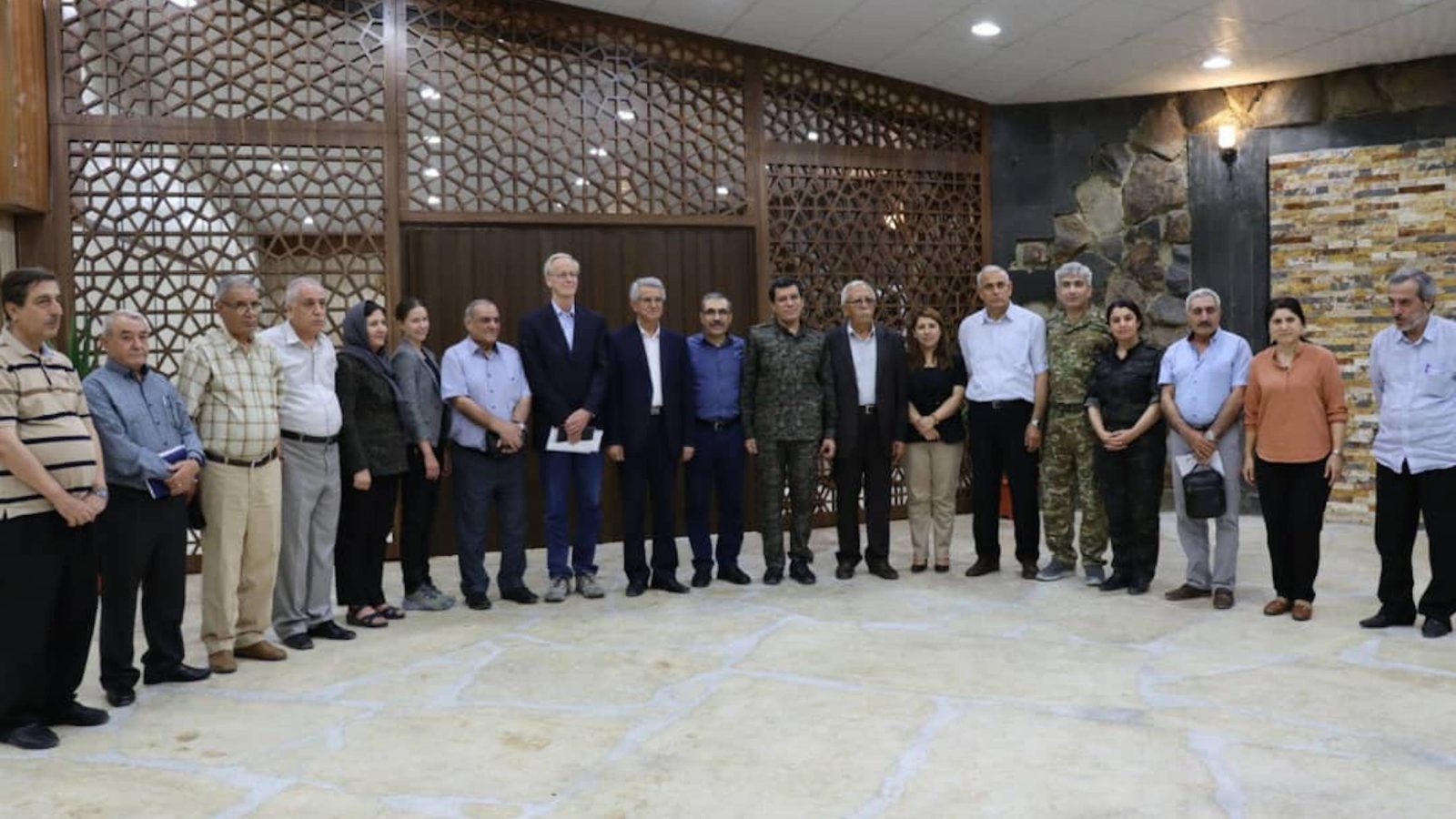
According to KurdPress, the Kurdish Studies Center emphasized in an article about the future of the Kurds in Syria that the integration agreements between the Syrian government and the Syrian Democratic Forces, although they have fundamentally changed the structure of power and administration of the Kurdish regions, have not yet determined the fate of the political, linguistic, and cultural rights of the Kurds. According to Dr. Muslim Abdel-Talas, the future of the Syrian Kurds depends not only on the outcome of the negotiations between Damascus and the Syrian Democratic Forces, but also on how the agreements are implemented, the extent of Kurdish participation in state institutions, and the ability of the political and social forces of this society to transform the scattered sources of power into institutional influence and lasting achievements.
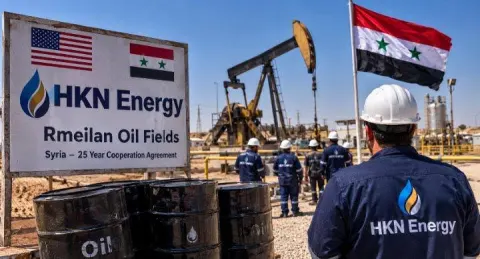
This article, titled “The Future of the Kurds in Syria; Political Agreement, Power Relations, and Social Reconstruction,” published on November 3, 2026, argues that recognizing the rights of the Kurds in laws and government decisions alone is not enough to guarantee the implementation of these rights. In the author’s view, the transfer of resources, authorities, and instruments of governance from the autonomous administration to the central government has changed the balance of power and forced Kurdish political forces to review their sources of influence and capacities in the new circumstances. According to Abdul Talas, the March 10, 2025 agreement between the Syrian government and the Syrian Democratic Forces envisaged the integration of military and civilian institutions in northeastern Syria into state structures. This process accelerated after the January 2026 clashes and the January 18 agreement of the same year. According to the second agreement, the administration of Raqqa, Deir el-Zor, border crossings and oil fields were transferred to the central government, and the integration of Hasakah institutions into state structures was also on the agenda. The implementation of these agreements was followed in stages, and on August 25, 2026, Mazloum Abdi, the commander of the Syrian Democratic Forces, announced the dissolution of these forces as an independent military structure.
The author emphasizes that the provisions of the agreements should not be equated with their full implementation in all sectors, because the degree of integration in different areas is different. However, this process has led to the strengthening of central government control over resources and powers that were previously vested in the self-governing administration. In contrast, issues such as the limits of local government powers, mother tongue education, and the participation of local communities in resource management still require clearer legal and institutional definition.
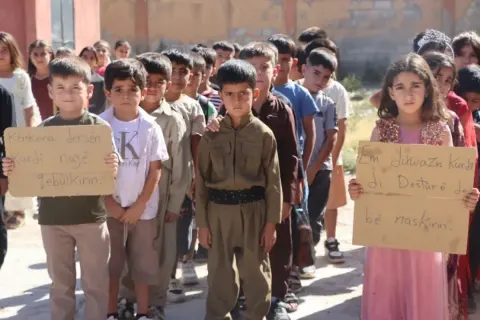
Kurdish language education is a clear example of this challenge. According to the article, the Syrian Ministry of Education’s decision No. 943 of January 26, 2026, provided for two hours of optional Kurdish language instruction per week. On August 28 of the same year, the ministry revised its guidelines to include three hours of language instruction and one hour of related activities. However, the author emphasizes that this change does not mean the full implementation of the right to Kurdish language education in schools. The amount of teaching hours, the language of instruction in other subjects, the content of textbooks, teacher training, budgets, and the authority to decide on educational programs all play a role in determining the actual scope of this right.
The article then discusses the changing power relations after the integration agreements, explaining that political power is not limited to military might or control of economic resources. Political and social organization, legitimacy within society, the ability to act collectively, access to decision-making centers, and building coalitions with other forces are also important sources of power. According to the author, the transfer of territorial control and resources to the central government does not mean the loss of all the capacities that the Kurds have built up during the years of self-rule.
The author particularly calls on the Kurdish Patriotic Council of Syria to use its contacts with Syrian authorities and regional and international actors to achieve practical results, in addition to criticizing the agreements reached. In his view, issues such as linguistic and cultural rights, political participation, local governance, the return of refugees, property rights, and economic development are areas in which the council can play a role.
In this context, the article uses the concept of “political dependency” to explain some of the obstacles to collective action. This concept refers to a situation in which some political forces rely on the defeat of a rival or the intervention of external allies, rather than using their own resources and opportunities to achieve independent outcomes.
The author believes that after political agreements are reached, the implementation phase provides new opportunities for the activities of parties, civil society organizations, universities, and experts. In the field of education, parties can work to amend laws and guidelines, experts can participate in developing curricula and teacher training, and civil society organizations and parents can monitor the implementation of programs.
In the final section, the article proposes the concept of “social reconstruction” as a criterion for measuring Kurdish national interests. According to this concept, national interests are not measured solely by maintaining the status of parties or the number of seats and political positions, but rather by the extent to which political developments strengthen the ability of Kurdish society to maintain its identity, education, organization, political participation, and economic and cultural development in future generations.
Ultimately, the article sees the future of the Syrian Kurds as dependent on the ability of the political forces of this community to move beyond competition over the interpretation of agreements and claims of representation, towards constructive competition to secure common interests.
User comments