Tom Barrack; The Central Figure of US Policy Towards the Kurds in Turkey, Iraq and Syria
According to Kurdpress, Tom Barrack, an American investor, founder of the investment company Colony Capital and a long-time close friend of Donald Trump, entered the diplomatic structure of the second Trump administration in 2025 and gradually became one of the main figures of US policy in the Middle East.Tom Barrack was confirmed as the US ambassador to Turkey in April 2025 and assumed the role of US Special Representative for Syria in May of that year. On May 31, 2026, in a move that expanded the scope of Tom Barrack’s responsibilities, Donald Trump also appointed him as the US Special Presidential Representative for Syria and Iraq, while maintaining the US Embassy mission in Turkey. In this way, Tom Barrack became one of the most important contacts of the Donald Trump administration with Ankara, Baghdad and Damascus, whose policies have a direct impact on the political, security and economic situation of the Kurds.
The importance of this appointment lies not only in the fact that three diplomatic responsibilities are combined in the hands of one person; but also in the possibility of coordinating Washington’s policy towards three interconnected regional files.Turkey is grappling with the Kurdistan Workers’ Party (PKK) and the military structure of the Syrian Democratic Forces (SDF); the Iraqi government is deciding on power relations with the Kurdistan Region, arms control, and the country’s security arrangements; and the new Syrian government is trying to extend the central government’s authority to areas formerly controlled by the SDF. Tom Barak is now at the nexus of these issues, although his official mission is not to deal exclusively with the Kurdish issue.
A review of Tom Barak’s positions and activities shows that his most direct influence on the Kurdish situation has been in Syria. In Iraq and the Kurdistan Region, this influence is taking shape more than in the direction of Washington’s relations with Baghdad and Erbil, security issues, and economic cooperation.In Turkey, his role is also exercised mainly through diplomatic relations with the country's government and the impact of US policy in Syria on the regional balance of power for the Kurds.
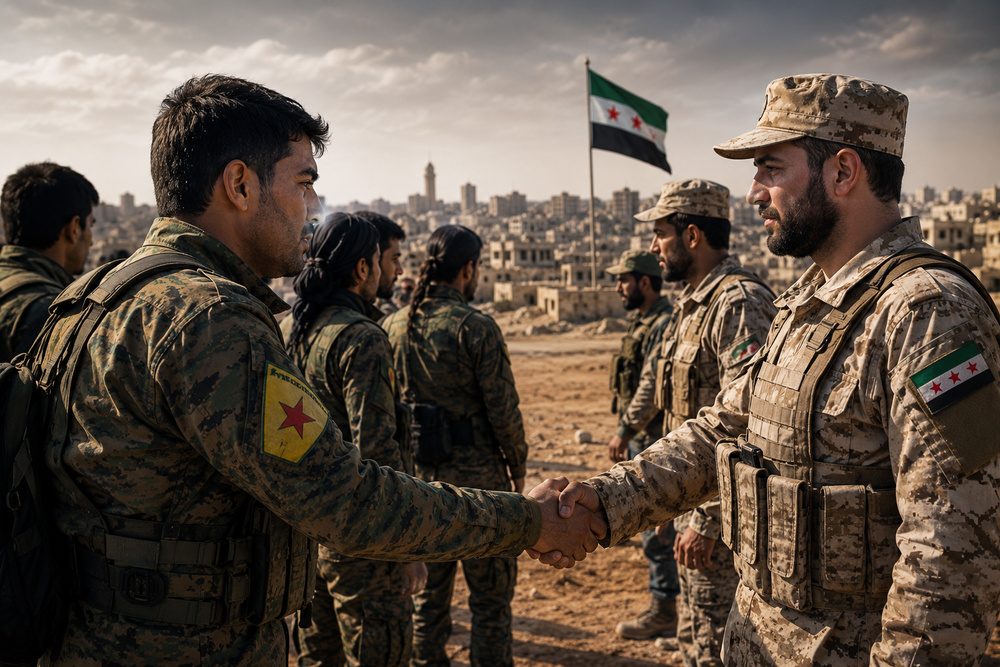
In the Syrian case, Tom Barak took a clear position on the future of the Syrian Democratic Forces from the beginning. He opposed the formation of an independent political and military structure for these forces outside the authority of the central government and supported their integration into the Syrian government institutions. Tom Barak announced in July 2025 that Washington did not support the creation of an independent state for the Syrian Democratic Forces inside Syria. He also preferred the formation of a central government to the federal model in his statements on the future of Syria. These positions overlapped with Turkey's long-standing desire to end the independent military structure of the Syrian Democratic Forces.
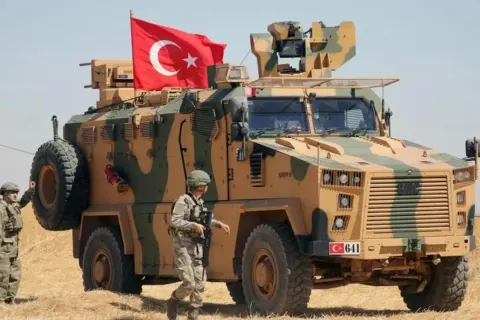
In Turkey, Tom Barak’s influence on the Kurdish situation is not as direct and consistent as his role in Syria. As US ambassador, he is responsible for Washington’s relations with the government of Recep Tayyip Erdogan and, as special representative for Syria and Iraq, he works on cases related to Turkey’s security concerns about the Kurdistan Workers’ Party and the Syrian Democratic Forces. Tom Barak’s positions on opposing an independent Kurdish military structure in Syria have been consistent with Ankara’s security demands and could influence Turkish leaders’ assessment of the extent of US support for the Kurdish forces.
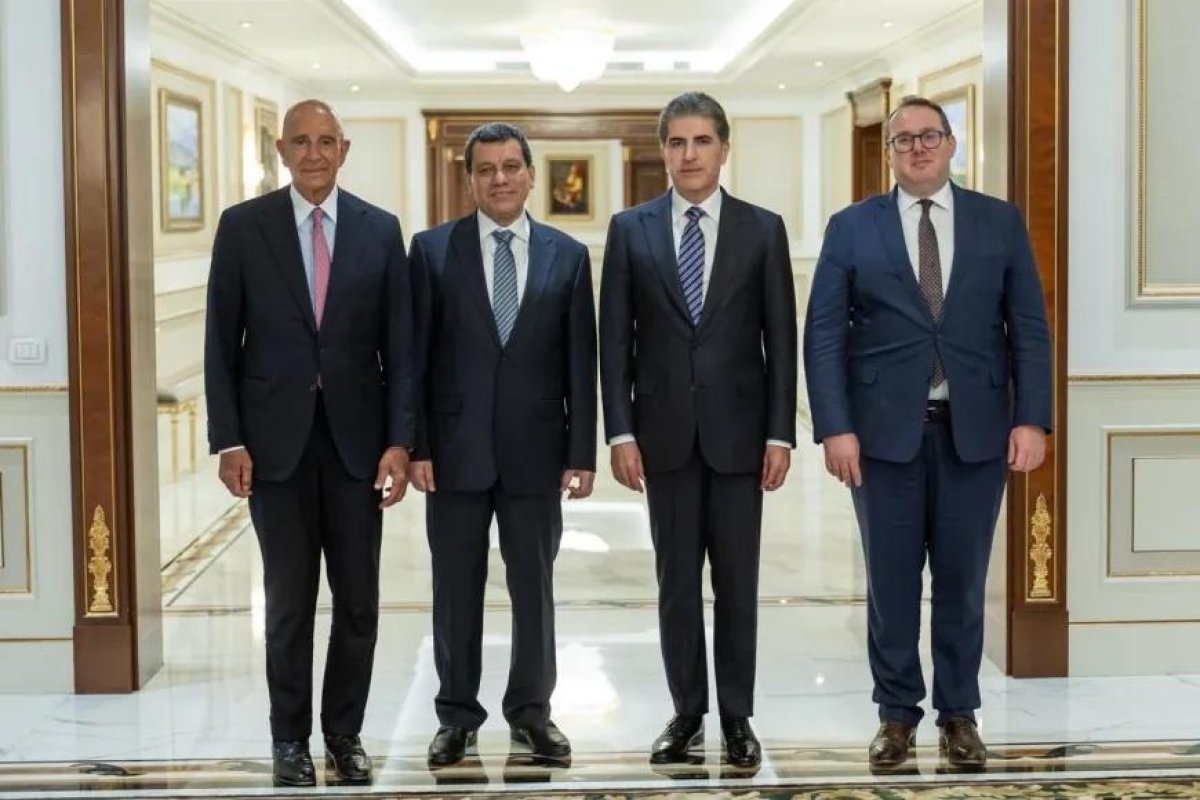
In Iraq and the Kurdistan Region, the appointment of Tom Barak as the US Special Representative for Iraq extended his role beyond the Syrian issue. He now has a more formal position in Washington’s relations with the Iraqi federal government and the Kurdistan Region. Tom Barak’s meeting with Nechirvan Barzani, the President of the Kurdistan Region, on June 16, 2026, is an example of this role. The meeting discussed US relations with Iraq and the Kurdistan Region, the differences between Erbil and Baghdad, developments in Syria, and the need for cooperation to counter security threats. In another meeting on the same day, Nechirvan Barzani and Mazloum Abdi also discussed with Tom Barak the situation of the Kurds in Syria and cooperation between the Kurds and the government in Damascus.
Overall, the appointment of Tom Barak as the US Special Representative for Syria and Iraq, in addition to his ambassadorship in Turkey, has significantly expanded his diplomatic position on the Kurdish issue. In Syria, he has been a key figure in the pursuit of the integration of the Syrian Democratic Forces into the central government structure, and his public positions have overlapped with Turkey’s security concerns. In the Kurdistan Region, his new role allows him to play a more direct role in relations between Erbil and Baghdad and to create a link between the Kurdish issues in Iraq and Syria. In Turkey, his position is more important than anything else in terms of the path of official relations with Ankara and the impact of Washington’s policy in Syria on Turkey’s security environment.
User comments