The fate of oil revenues in the Kurdish regions of Syria after the entry of the American company
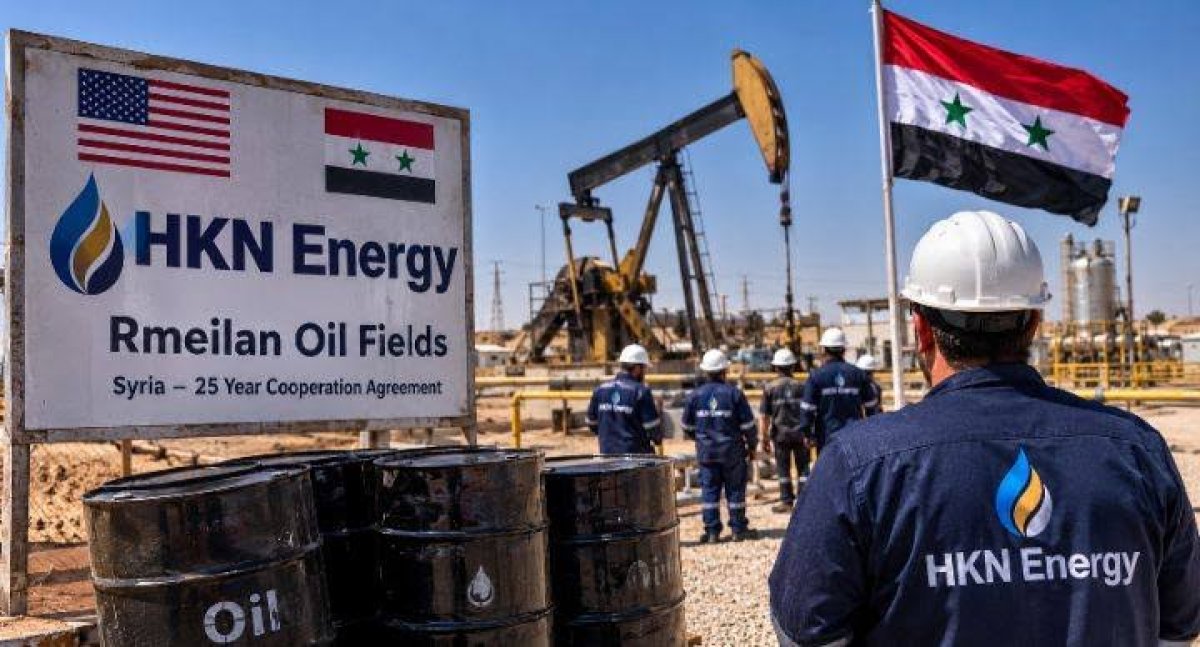
According to Kurdpress, the American oil company HKN Energy, by taking over the exploitation of eight oil fields in northeastern Syria, intends to increase the production of these fields to about 150,000 barrels per day within the next two years.In an interview with Al-Monitor, the company’s deputy director for government affairs spoke about the extensive contamination of water resources and agricultural lands due to past oil activities, the cessation of the daily discharge of more than 120,000 barrels of oil-contaminated water into the Khabur River, and the company’s plans to rebuild infrastructure. At the same time, the future of Al-Jazeera Oil Company and the status of employees who lost their jobs after the end of the transition period remain unclear.
Al-Monitor’s Umbreen Zaman spoke with Matthew Zeiss, deputy director for government affairs at HKN Energy, about the company’s activities in the oil fields in northeastern Syria, its production increase plan, the environmental conditions in the region, and the consequences of transferring management of the fields.HKN Energy, based in Texas, signed a 25-year agreement with the Syrian state oil company in April 2026, becoming the first American company to formally invest in the country’s oil industry since the change of government. In June, the company began operating eight oil fields around the city of Rmilan in Hasakah province. The fields were previously managed by Al Jazeera Oil Company, which was transferred to the autonomous administration after the Syrian civil war began in 2011 and Bashar al-Assad’s forces withdrew from the northeast.
HKN Energy is working with Qatari company UCC Holding on the project, but the American company is solely responsible for directly operating the fields. Before entering Syria, this company had a long history of activity in the oil and energy sector of the Kurdistan Region of Iraq, and its operational experience in the Kurdish oil-rich areas is one of the reasons for its presence in the Remilan project.
Matthew Zeiss has announced that HKN Energy plans to increase oil production from the eight fields it manages to about 150,000 barrels per day over the next two years. This figure is almost double the current production level mentioned by the company. According to the published explanations of this interview, the fields' production was about 80,000 barrels per day when they were handed over to the American company, but at some point it dropped to 65-70,000 barrels. The main reason for this decrease is the temporary cessation of the activities of some wells to prevent further oil pollution.
Matthew Zeiss said that an agreement has been reached with the Syrian National Oil Company and that Al Jazeera Oil Company has no stake in the new contract. At the same time, the future of the company is still unclear and the possibility of its reintegration into the structure of the Syrian National Oil Company or its continued operation independently is being discussed.
According to the information published about these developments, the three-month transitional period within which Al Jazeera Oil Company continued to operate ended in August 2026. This was followed by protests in September by a number of employees who had lost their jobs when the transitional period ended. This shows that the change in oilfield management is not just a technical and economic shift, but has also affected the employment situation and human resource structure of the region.






User comments