
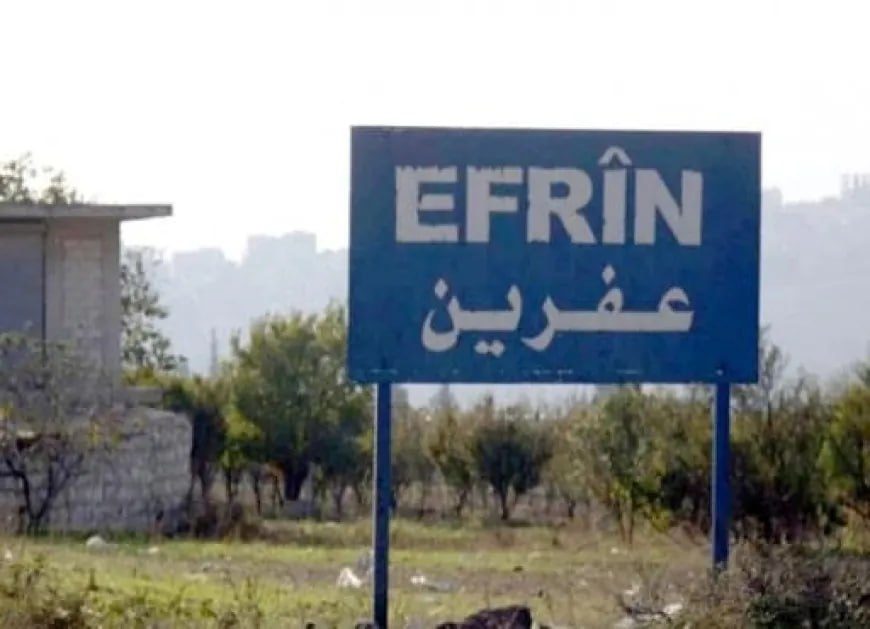
Kurds returning to Afrin continue to face a lack of basic services
According to KurdPress, Paula Gaviria Betancourt said that the physical return of the displaced to their places of residence alone is not the solution to their problems, and the necessary conditions must also be provided for access to public services, employment and enjoyment of cultural and linguistic rights.
Referring to the sense of belonging of the Kurds returning to Afrin to their homeland, Betancourt emphasized that these people continue to face a lack of livelihood opportunities, proper roads and health services.He added that the Syrian government is working to improve the situation, but sustainable return requires broader support and participation of returnees in decision-making.
The UN Special Rapporteur also stressed the need to address the cultural and linguistic aspirations of the Kurds and guarantee their rights within the framework of the Syrian constitution. According to him, the returnee Kurds want to be present in the talks on the future of their regions and have their demands heard; however, they remain concerned about the provision of basic needs and the level of support from the government.
The Kurds of Afrin have experienced several waves of displacement since the Turkish forces and Ankara-backed armed groups attacked the city in 2018. Following these developments, a number of Kurdish families were forced to leave their homes, and mainly Arab families were resettled in some of the evacuated properties.International human rights organizations have documented numerous cases of human rights violations against Afrin residents in recent years, including arbitrary killings, kidnappings, looting of agricultural products, cutting down olive trees, and tax collection from local farmers. There have also been reports of displaced families receiving payments ranging from $1,000 to $1,500 to reclaim their homes.
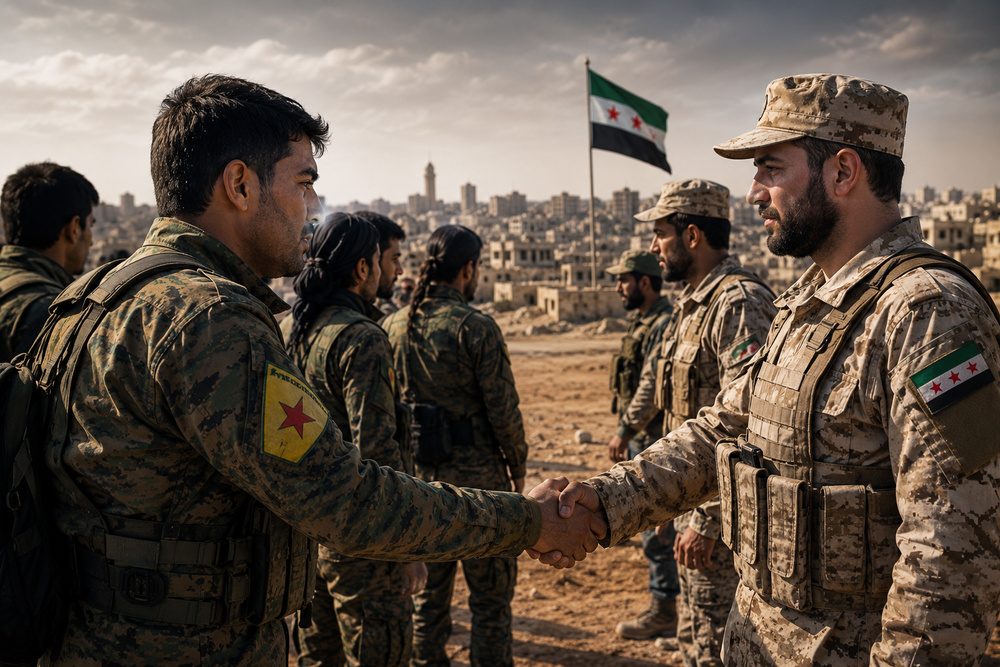
With the fall of Bashar al-Assad’s regime in late 2024 and subsequent clashes between the Syrian Interim Government and the Syrian Democratic Forces, a number of Afrin residents were displaced once again. However, the process of returning displaced people has continued in recent months, and by June 2026, nearly 10,000 families had returned to the city.The return of these families is part of the implementation of the January 30 agreement between the Syrian Democratic Forces and the Syrian Interim Government, which envisages the integration of military and civilian institutions and the return of displaced people to their areas.
Despite progress in the return process, issues such as the repossession of property, securing livelihoods, access to public services, and ensuring the linguistic and educational rights of Kurds remain key challenges to a sustainable return to Afrin.

User comments