Implementing the MKO model for Iranian Kurdish parties; Plan to transfer Iranian opponents from the Kurdistan Region to southern Iraq
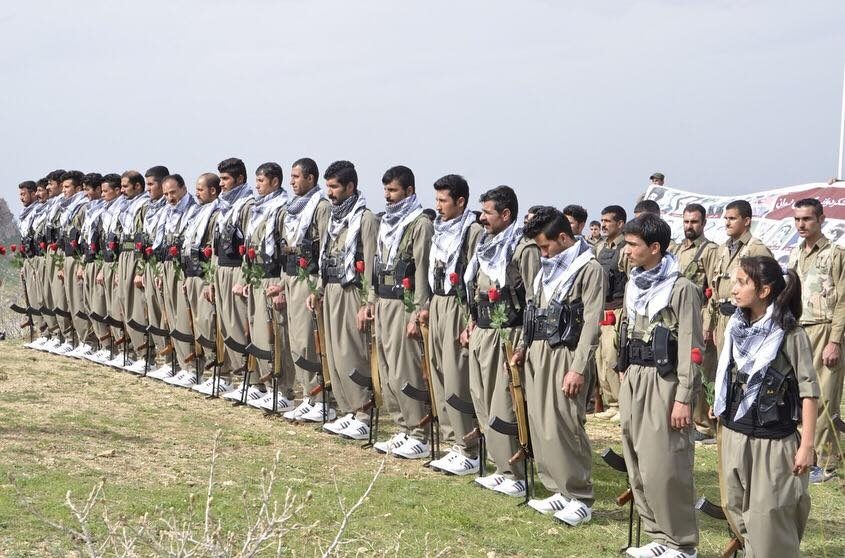
According to KurdPress, political sources are investigating the scenario of isolated settlement of Iranian Kurdish groups in the Iraqi province of Al-Muthanna, which will be implemented under the supervision of the central government of Baghdad with the aim of permanently dismantling the border bases of these groups and similar to the model of transferring and containing the MKO group in the Rafha camp.According to Al-Akhbar, with increased security coordination between Tehran and Baghdad to clear border points, executive plans for the complete disarmament and transfer of elements of Iranian Kurdish opposition groups from the Kurdistan Region to central and southern Iraq, including Al-Muthanna province, have entered the final stages.
Media reports indicate that despite the initial withdrawal of armed groups from the border strip between Iran and the Kurdistan Region, Tehran insists on the complete destruction of bases and the withdrawal of these forces, which has prompted Iraqi parties to consider the scenario of settling under their control in southern Iraq.
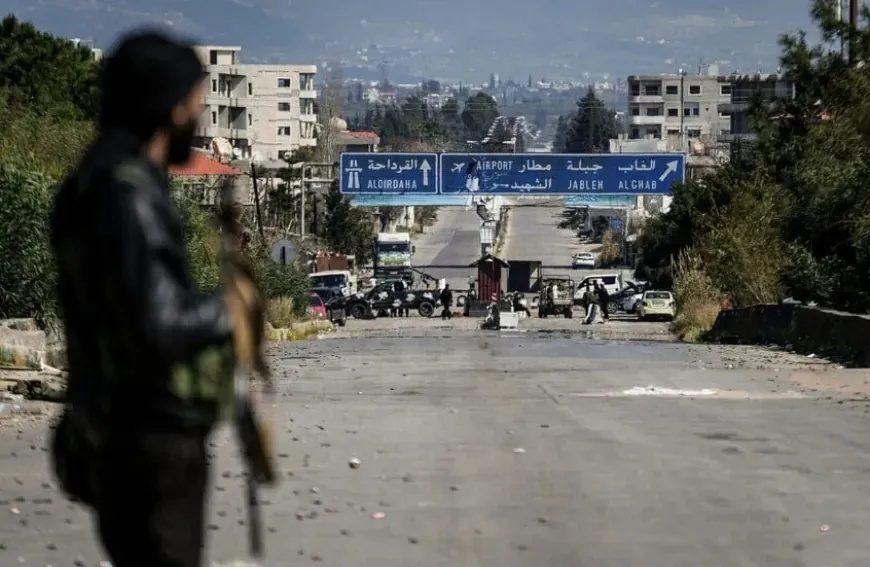
The situation on the Iraqi-Iranian borders is moving towards a decisive turning point in a case that has been a security loophole exploited by the parties hostile to Tehran for decades.The source wrote: Within the framework of increasing security coordination between Baghdad and Tehran to protect their common borders and destroy armed groups, especially the Iranian Kurdish opposition, who have made the mountains of the Kurdistan Region a safe haven for themselves, the implementation steps resulting from the security agreement between the two countries are accelerating.
After a meeting of the Joint Security Committee chaired by the Iraqi National Security Advisor, Mohammad Kazem Al-Sadegh, the Iranian ambassador to Iraq, announced the agreement between the two sides on “the withdrawal of elements of separatist and terrorist groups from the Iraqi Kurdistan Region or their transfer to Iran.” This announcement reflects Iran’s insistence on ending the situation that Kurdish groups opposing Tehran, with the support and supervision of the United States and Israel, have exploited to carry out what Iran calls “subversive actions and attempts to create instability.”Analysts of Kurdish issues believe that the current developments indicate the growing understanding of the authorities in Baghdad and Erbil of the need to abandon old tactics and respond to Tehran’s security concerns, especially after the headquarters of these groups became a direct security and political burden and cost that threatens the stability of the region itself.
In this regard, Ibrahim al-Amdani, an analyst and political activist in Kurdish affairs, stated in an interview with Al-Akhbar: Moving towards distancing the Iranian Kurdish opposition is a real obligation imposed by field data and previous security agreements between Baghdad and Tehran, and is inseparable from field developments and pressures on the region.
He added: The presence of these groups has imposed a security and political burden on the Kurdistan Regional Government, especially after missile and drone attacks on their positions and Iran’s firm warnings in the aftermath.He emphasized: The region is trying to prevent its lands from becoming an arena for conflict between Iran and the Kurdish opposition. From this perspective, the Iranian ambassador's statements can be seen as an attempt to emphasize the security obligations that Tehran considers the Iraqi side to be responsible for.
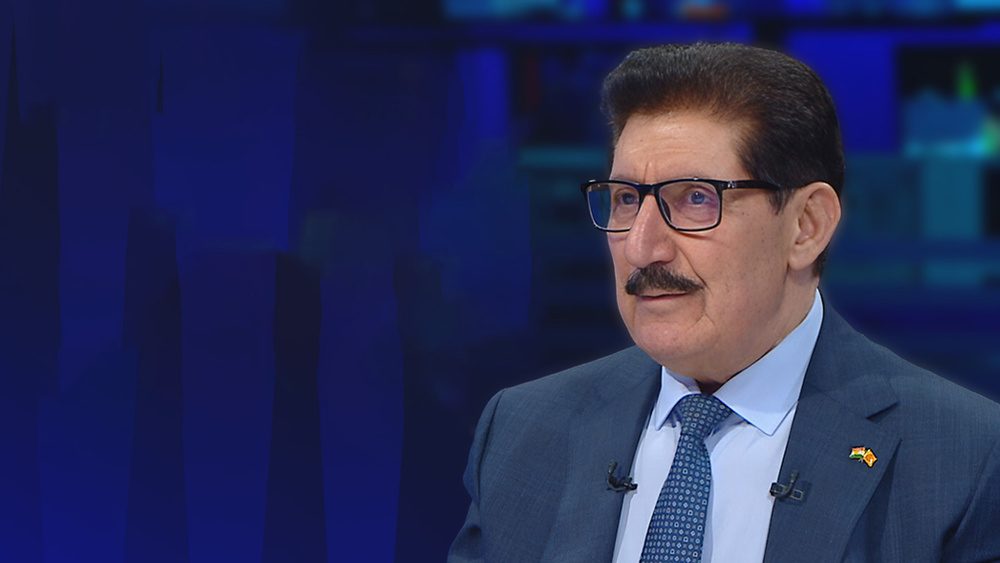
In this regard, "Wafa Muhammad Karim", a leader of the "Kurdistan Democratic Party", emphasized: Recent meetings in Baghdad with the presence of Qasim Al-Aboudi, Iraq's National Security Advisor, have focused on adhering to the 2023 agreement.
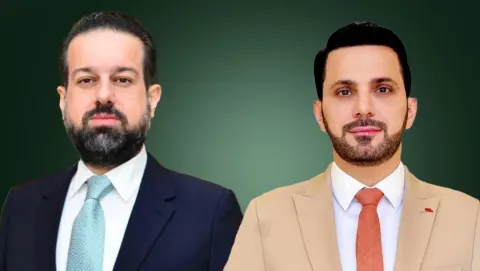
According to him, Iranian parties have previously moved 40 to 120 kilometers away from the Iranian borders and have been settled in isolated complexes.Although "Kafah Mahmoud", the media advisor to the leader of the Democratic Party, denied in media statements that he had received any official request from Erbil or Baghdad to hand over or expel these opponents and emphasized the commitment and adherence of these groups to their commitments not to carry out extra-territorial military operations, these encouraging statements do not seem to be enough for Tehran, especially in light of the increasing security risks and the escalating regional confrontation with Washington and Tel Aviv, which accuse the armed parties of serving as tools for them to implement plans to infiltrate Iran.
In response to Iran's insistence on a radical solution to the presence of these groups and their complete disarmament, informed political sources revealed: The main political currents in Iraq, especially the "Coordination Framework", are considering promising proposals for the permanent dismantling of this crisis center in the north.The source wrote: The most obvious proposal involves the transfer of elements of Iranian Kurdish groups and their families from their current headquarters in Erbil, Sulaymaniyah and Kuaisanjak to central or southern Iraq. Al-Muthanna province, and specifically the city of Al-Samawah, is one of the most important areas proposed for the establishment of an isolated settlement center under the supervision of the federal government, while this model is similar to past successful experiences in disabling security and political groups such as the "Mujahideen-e-Khalq" organization (a faction of the MKO), whose elements were isolated in the Rafha camp.According to these sources, this option is consistent with Tehran's strategic vision because it deprives Kurdish armed groups of the mountainous geography that facilitates infiltration and smuggling operations, paving the way either for the regularization of the status of their elements through the "High Commissioner for Refugees" and their dispatch to a third country, or for forcing them to permanently end their armed activities.
User comments