
Geopolitics of Tension in the Middle East; Re-examining the Kurds’ Position and Regional Strategic Dialogues / Mansour Rahimi
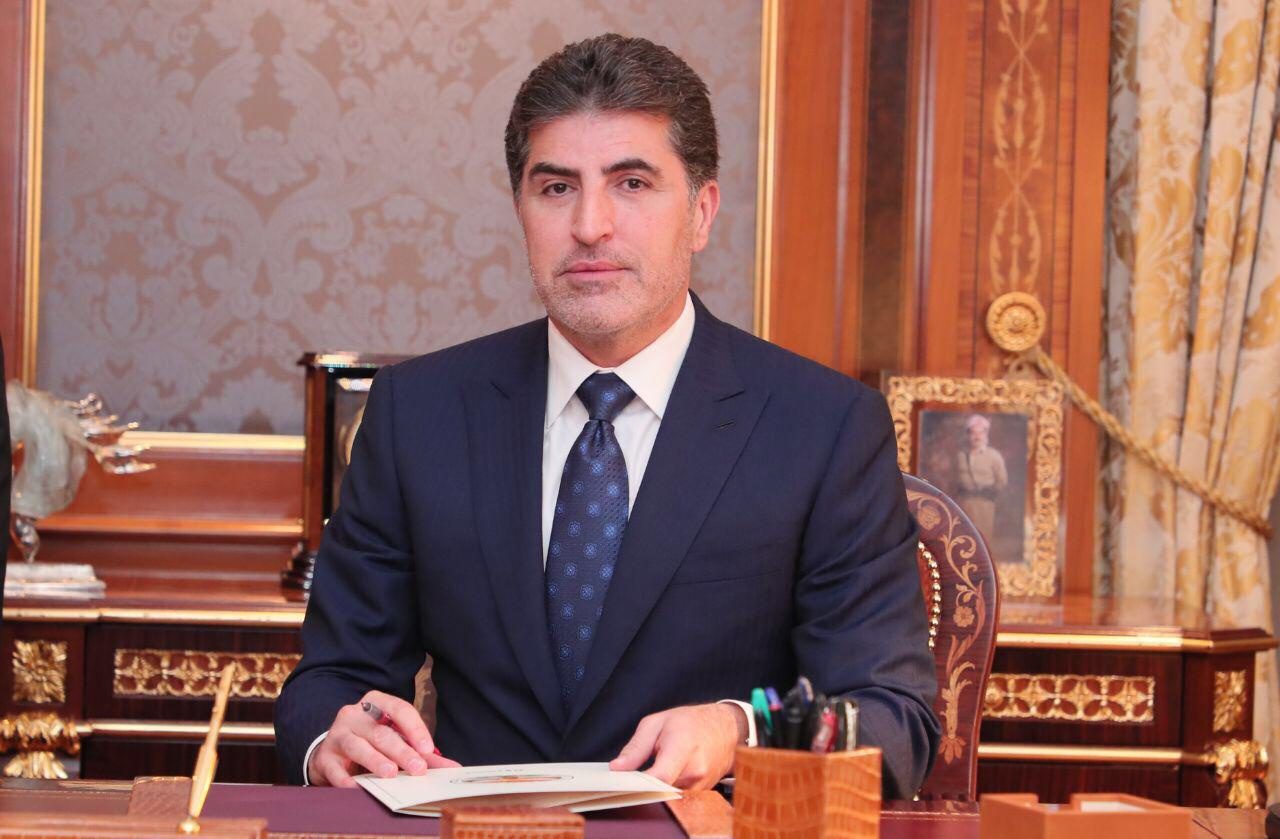
The recent remarks by Nechirvan Barzani, the President of the Kurdistan Region, at the “Miri” conference in Sulaymaniyah and his explicit criticism of the behavior of armed opposition movements in Iran amid recent confrontations reflect the structural gaps, intra-party rivalries, and major strategic challenges in the geopolitical arena of Kurdistan and Iraq.To understand this phenomenon accurately, a set of intertwined domestic, regional, and international variables must be systematically analyzed.
1. The Kurdistan Region’s Security Conundrum and Response to Armed Opposition to Iran
In a situation where regional tensions have reached their highest level, the Iraqi Kurdistan Region faces the fundamental challenge of how to prevent it from becoming a center of conflict or a field for settling scores between trans-regional powers. The regional presidency’s emphasis that the movements of some armed opposition to Iran in the midst of the crisis have jeopardized the region’s position is rooted in stark security realities.On the one hand, the repeated claims of the United States (including statements made during the presidency of Donald Trump regarding the arming and then loss of military equipment for opposition groups) and on the other hand, the military maneuvers and field movements of armed opposition movements in Iran have made the security environment of the region extremely fragile. From the perspective of the political structure of the region, any irresponsible behavior or miscalculations by these groups provide a legal and legitimate basis for peripheral actors (especially Iran) to put pressure on the territorial sovereignty of the Kurdistan Region or to apply economic and security pressures, citing Article 51 of the United Nations Charter. This is while there are serious disagreements between the official positions of Erbil and some marginal political movements regarding the level of legitimacy, the manner of establishment and activity of these movements, which in turn fuels intra-regional tensions.
2.Analysis of intra-party differences and ruptures in the Kurdistan Region
The recent crisis and the aftermath of the Miri meeting showed that the political structure of the Kurdistan Region and the leadership of its main currents (Party and Unity), as well as other elements of the Kurdish movements, are grappling with deep rifts.
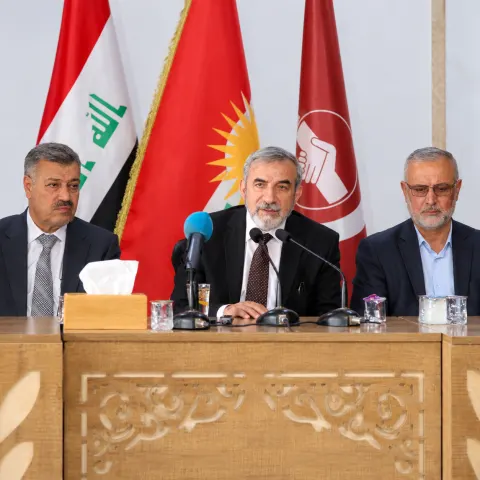
The difference in approach between the Kurdistan Democratic Party and the Patriotic Union of Kurdistan in managing relations with Baghdad, Tehran, and Western actors has always existed. While the leaders of the Patriotic Union speak of initial consultations to form peace processes and dialogue with Tehran, the official positions of the regional presidency and the political bureau of the Kurdistan Democratic Party indicate extreme sensitivity to any arbitrary security action that jeopardizes the stability of the region.The statements and harsh reactions of the offices of the Kurdistan Democratic Party and other movements to the way regional meetings are managed and the exclusiveness in inviting political movements from different parts of Kurdistan (such as the protests of the representatives of the Kurdish National Council in Syria - ENKS) show that the phenomenon of "party totalitarianism" and ignoring political pluralism has seriously damaged the internal cohesion of the Kurds. The depth of these differences is such that even some academic analysts consider the leadership crisis and the distancing of the political elite from the realities of society to be the cause of the gradual dissolution of the original tasks of these movements.
The non-invitation of Masrour Barzani, the Prime Minister of the Kurdistan Region, to the "Miri" meeting in Sulaymaniyah, along with the presence and positions of Nechirvan Barzani, raises questions about the level of coordination at the top of the political structure of the region.In a situation where regional security threats, relations with Tehran, and the future of the US presence in Iraq require coordinated decision-making, the absence of one of the region’s highest-ranking executive officials from such meetings could have more than a ceremonial absence. However, the strategic importance of the issue lies in the question of whether Erbil has a coherent political will in the face of regional crises or whether internal competitions and considerations limit its ability to adopt a unified position.
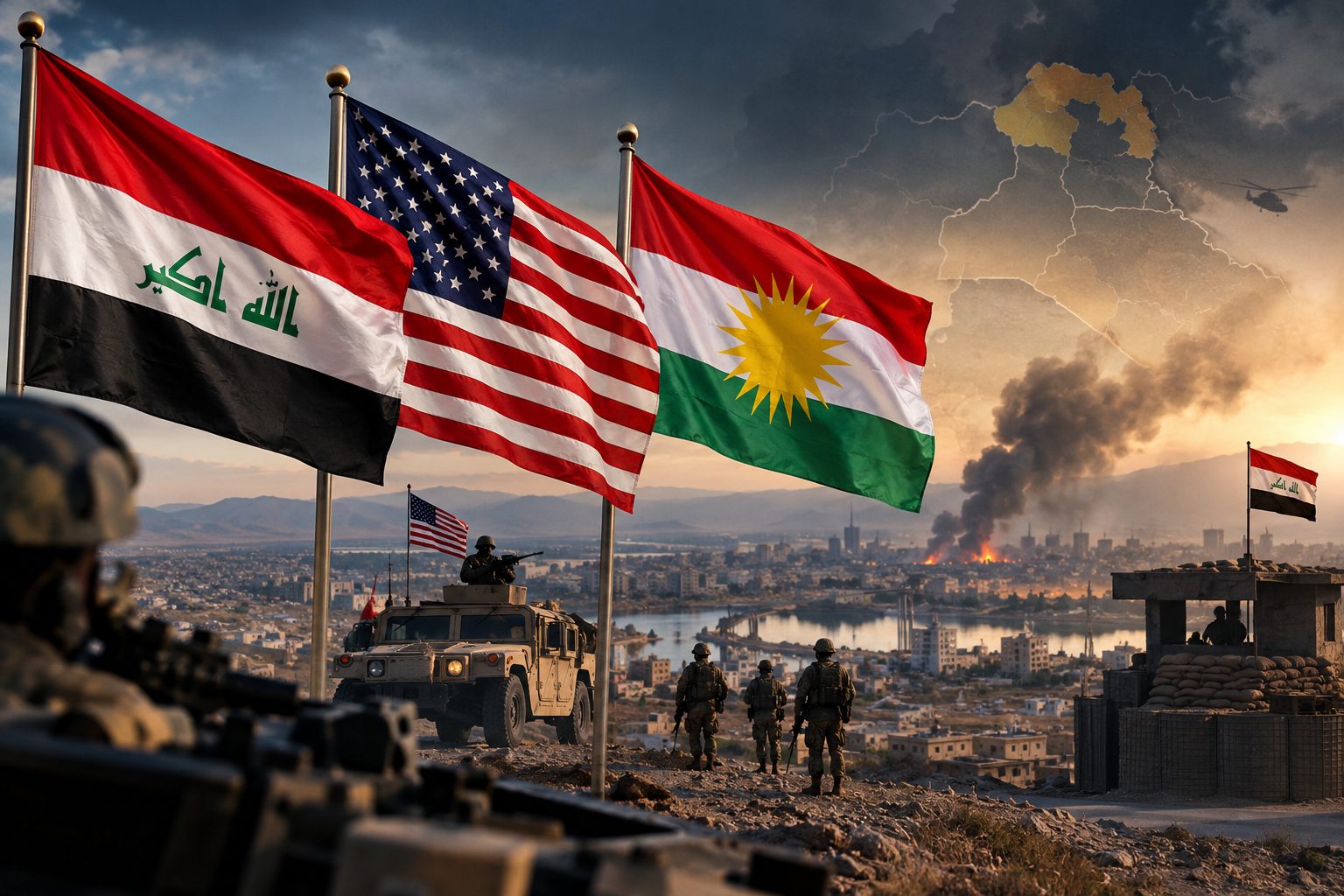
Another key dimension of this puzzle is the media and strategic games of the United States around “exiting Iraq.” Washington has repeatedly tried to redefine its military presence or exploit the cards of opposition groups and geopolitical pressures through propaganda and media maneuvers.However, the reality on the ground in Iraq shows that the withdrawal of US forces is more of a tactical shift in the form of a change of missions than a structural withdrawal. These media portrayals create an atmosphere of instability that miscalculates the strategic calculations of local actors (including Kurdish parties) and leads them to risky alliances or rely on fragile promises.
Donald Trump’s decision that US forces must withdraw all military equipment when they leave the Kurdistan Region has strategic significance compared to the US experience of withdrawing from Afghanistan, where a significant amount of military equipment remained in that country.This stance may reflect Washington’s sensitivity to the fate of military equipment and to preventing it from falling into the hands of actors outside of American control; but on another level, it is a reminder of the fact that Washington’s support is subordinate to its own interests and calculations, not a permanent guarantee of the security of local allies. For the leaders of the Kurdistan Region, the message is clear: strategic security cannot be built solely on American presence or promises. In a region where balances are rapidly shifting, internal cohesion, responsible management of relations with neighbors, and an independent strategy are more important than ever.
On a larger scale, all of these conflicts make sense in the context of the political dynamics in Baghdad over the formation of the future government and the new Iraqi cabinet.Iraq, as the intersection of strategic interests between Iran and the United States, is witnessing the hidden and overt struggle of these two great powers to engineer the political power structure.
User comments