
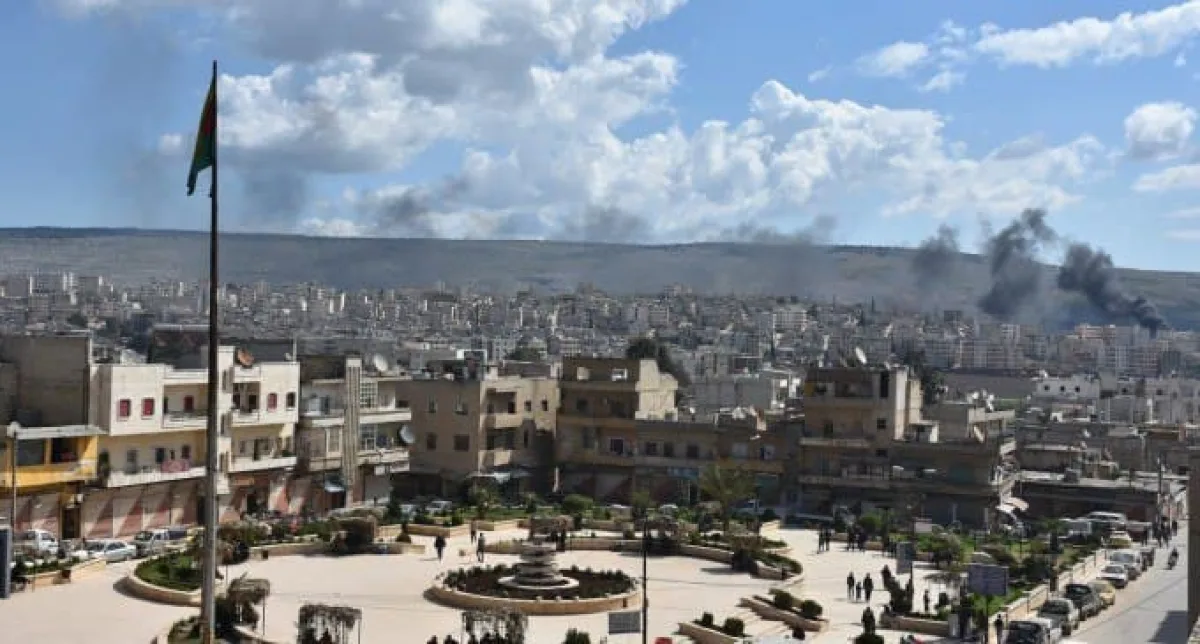
Unemployment and livelihood problems of Kurds returning to Afrin intensify
According to KurdPress, Kurdish residents returning to Afrin in Syrian Kurdistan are struggling with economic problems and unemployment; a situation that has been exacerbated by the increase in living costs, the decline in the activity of production workshops, and the drop in wages. According to the report, about 10,000 families from Afrin have returned to their places of residence within the framework of the implementation of the January 29 agreement, but many of them are facing difficulties in securing their livelihoods.Kemal Khoja, 34, who returned to Afrin from Qamishlo on May 9 with the fourth convoy of 1,200 families, told Havar that he has not been able to find work for nearly five months. According to him, many ready-made garment factories have reduced their production lines, and the increase in fuel prices, the fluctuation of the lira and the decrease in people’s purchasing power have limited job opportunities.
Khoja also mentioned the increase in fuel costs, saying that this situation has created problems in the supply of bread and led to the closure of some bakeries in Afrin. The increase in the cost of car rentals has also made it more difficult for people to travel.
Mohammad Hanan, 44, who drives on the routes between Afrin city and the surrounding rural areas, said that the increase in fuel prices has caused people to use rental cars less.According to him, a number of drivers are also unable to continue working due to reduced income and increased operating costs, and the income from fares is not enough to cover their living expenses.
Reduction in construction workers’ wages
Shiro Abdo, 25, who previously worked in a coffee shop and earned $120 a month, now works in the construction sector. Referring to the poor wage situation, he said that employers in the construction sector have reduced their daily wages despite the need for workers and young people to find employment.
According to Abdo, the daily wage of workers, which was previously $10, has now dropped to $5. He added that despite the heavy physical work, workers earn about $150 to $200 a month; an amount that is not enough to cover their living expenses.Decrease in olive and olive oil prices
In the meantime, daily wage workers and unemployed people in Afrin had been looking to the olive harvest season as an opportunity to earn money, but the drop in the price of olive products has also limited their prospects for earning money.
According to the report, the price of a kilogram of olives was 150 Syrian pounds last year, but this year it has dropped to 70 pounds, a decrease of about 53 percent. The price of a 16-kilogram container of olive oil has also dropped from $90 last year to $63 this year.
The drop in product prices has occurred at a time when farmers are also facing increased costs for fertilizer and fuel to cultivate and maintain their lands. This situation could affect farmers’ income and seasonal employment opportunities for workers.Overall, the return of thousands of Kurdish families to Afrin within the framework of the January 29 agreement has been accompanied by economic and livelihood challenges, with rising living costs, declining wages, and limited job opportunities making it difficult for some of the returnees to meet their basic needs.





User comments