
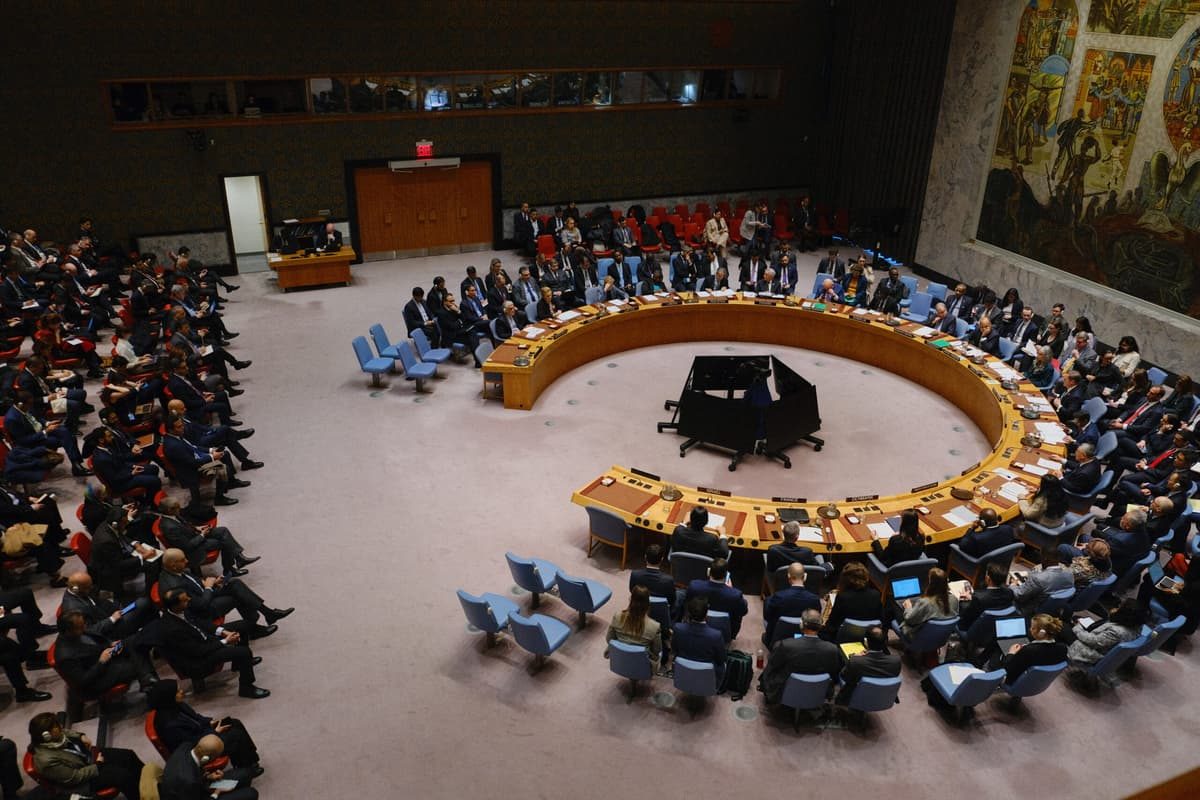
Some countries are dissatisfied with the slow implementation of the Kurds and Damascus agreement
According to KurdPress, some countries emphasized the need to advance the process of integrating northeastern Syria through dialogue and participation of all groups in society at the UN Security Council meeting on Syria, citing the obstacles and slow implementation of the January 29 agreement between Damascus and the Syrian Democratic Forces. At the same time, the status of the Women's Defense Units, education in the Kurdish language, and disputes related to housing and land remain unresolved issues of the agreement.According to the Amagi magazine, Claudio Cordone, the UN Secretary-General's Deputy Special Envoy for Syria, announced at the monthly meeting of the Security Council that the implementation of the Damascus agreement and the Syrian Democratic Forces is continuing, and that the gradual integration of the former forces of this group into government institutions and the transfer of their salaries to Damascus is underway; however, the number of integrated forces is still unknown, and the status of the women's defense units and Kurdish language education has not yet been determined.
Claudio Cordone also considered disputes related to housing, land, and real estate to be obstacles to the return of refugees, and referring to the recent protests in Hasakah, he assessed the different reactions of the Arab and Kurdish communities as a sign of the necessity of advancing the integration process through dialogue and avoiding confrontation.Jérôme Bonnefon, France’s UN representative, stressed the need to protect the linguistic and cultural rights of the Kurds and called on Syrian authorities to ensure equal access for women and girls to education, employment and public life.
Russia’s deputy permanent representative to the UN, referring to the intra-Syrian consultations in October on the judiciary, law enforcement and education, expressed hope that the implementation of the Damascus-SDF agreement would be pursued in good faith and contribute to the long-term stability of the areas east of the Euphrates and the prevention of conflict between Arab and Kurdish communities.
Christina Marcus Lassen, Denmark’s UN representative, also considered the integration of former SDF forces into the Syrian army a positive step, but stressed the need for comprehensive reform of the security sector and the participation of all segments of Syrian society in the political process.He considered the achievement of lasting peace dependent on advancing an inclusive political process.
User comments