
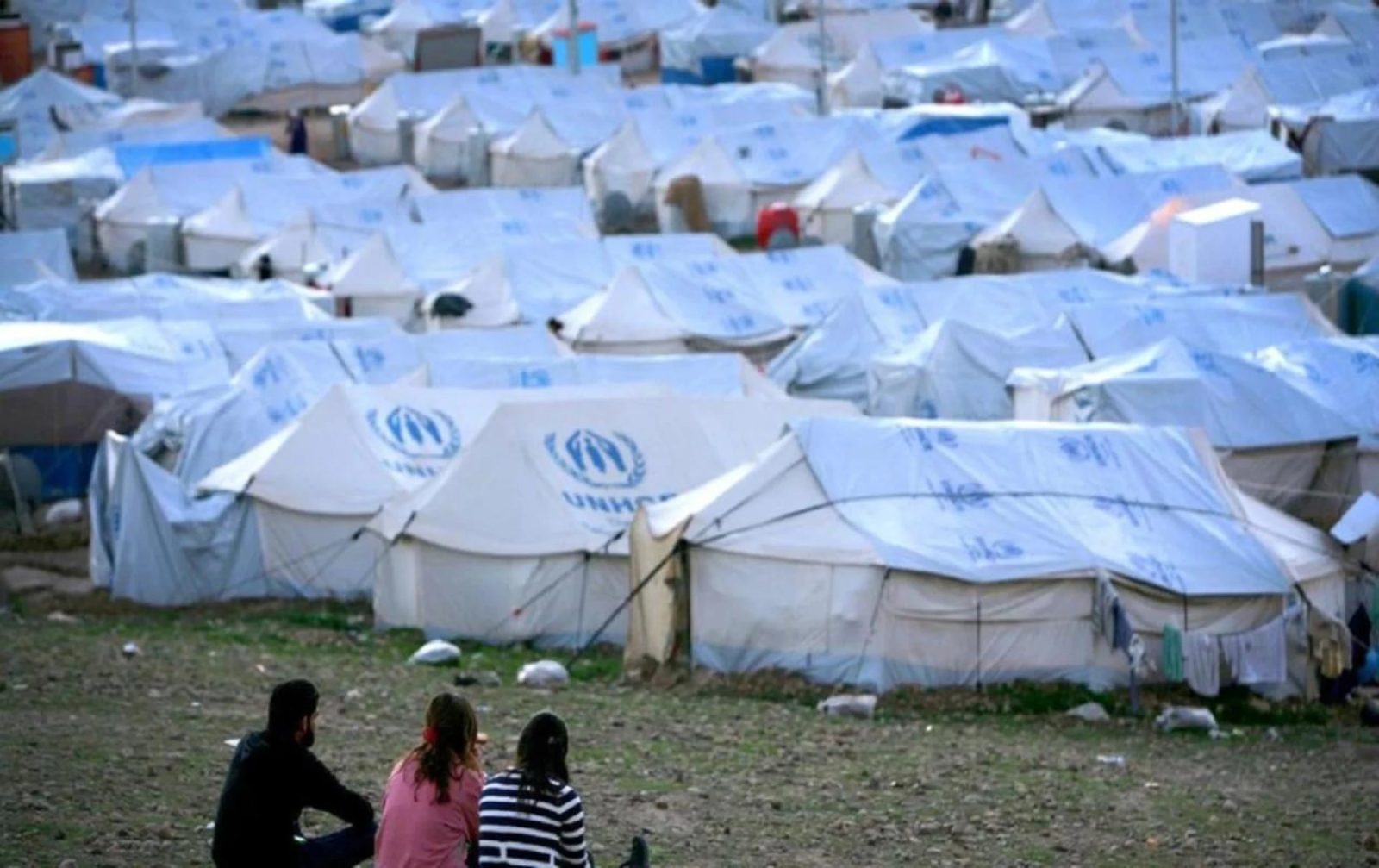
Nearly 100,000 displaced people still live in camps in the Kurdistan Region
According to KurdPress, citing the New Region magazine, nearly a decade after the defeat of ISIS, 997,334 people are still displaced in Iraq, more than 97,000 of whom are in camps in the Kurdistan Region.Pascal Rintins, head of the International Organization for Migration (IOM) mission in Iraq, told New Region that the most important obstacles to the return of displaced people to their areas are the destruction of homes, difficulties in obtaining compensation, lack of job opportunities, limited access to basic services and infrastructure, and concerns about insecurity and renewed fighting.
According to IOM’s monitoring of the situation of households in the first nine months after return, 70 percent of returnees reported securing their livelihoods as one of their immediate needs, while only 38 percent had a regular source of income. The survey also showed that 59 percent of households did not always have access to safe drinking water, and their access to water has not improved much over time.Ali Abbas, spokesman for the Iraqi Ministry of Migration and Refugees, also announced that displaced families were forced to leave their homes after ISIS seized large areas of the country in 2014, and a large number of them took refuge in the Kurdistan Region.
Ali Abbas claimed that the vast majority of the displaced have returned to their areas and that the remaining number is small compared to the total displaced population. According to him, the ministry’s database has recorded the return of more than 30,000 families. Ali Abbas added that some families have voluntarily returned to their homes after security forces retook their areas and reconstruction efforts began; but others have preferred to remain displaced until they are assured of the security of their homes.The Sinjar or Shengal region, one of the main centers of Yazidi settlement in Nineveh province, continues to face serious obstacles to the return of displaced people. Pascal Rintins identified the destruction of homes, difficulty in receiving compensation, lack of health services and limited access to education in Kurdish and Arabic as the main problems for families planning to return to the region. Some families have also been forced to pay for their children to receive informal education.
Ali Abbas announced the implementation of a government plan entitled Sustainable Development and Investment in Shengal in cooperation with international organizations, especially the United Nations, which aims to rebuild Yazidi areas.
ISIS attacked Shengal in 2014 and launched a campaign against the Yazidi community by killing, kidnapping, sexual violence and forcing them to convert.According to the statistics provided, more than 5,000 Yazidis were killed and about 6,000 others were kidnapped and sold into sexual slavery; while the fate of thousands remains unknown.
The continued presence of tens of thousands of displaced people in camps in the Kurdistan Region and the difficulty of their sustainable return show that despite the passage of years since the retaken of all areas under ISIS control, livelihood, infrastructure and security problems continue to prevent an end to the displacement crisis in Iraq.




User comments