
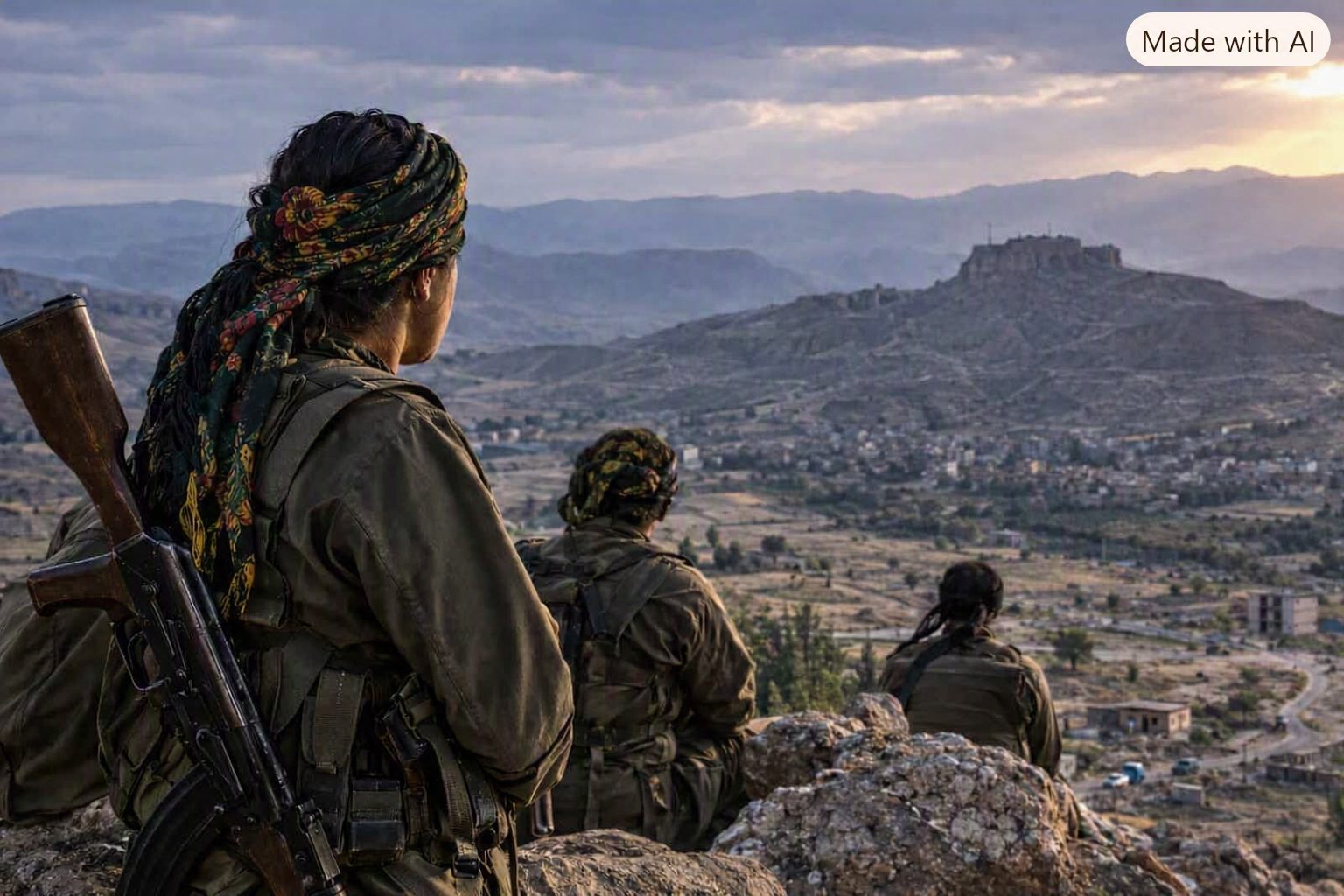
Why don't all PKK forces in Iraq return to Turkey?
According to Kurdistan Press, with the start of the disarmament and dissolution process of the PKK within the framework of the group's agreement with Turkey, the fate of thousands of members of the group who do not have Turkish citizenship or are not included in the framework of the Ankara agreement has become one of the most important security issues in Iraq. According to the "New Region" magazine, about 230 senior commanders and nearly 2,000 PKK forces may remain outside the disarmament and return to Turkey process and be assigned to Iraq.
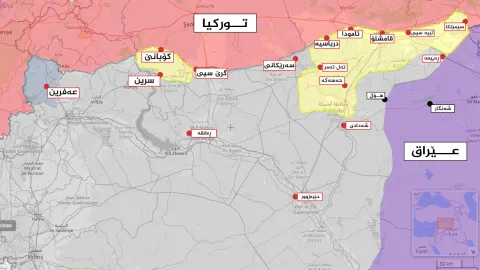
According to Iraqi intelligence reports obtained by New Region, the presence of the PKKThe PKK presence in Iraq is much larger than the forces that are scheduled to leave the country under the agreement with Turkey. These reports indicate the activity of five brigades consisting of 14 PKK battalions in various parts of Iraq. These forces are located in the provinces of Dohuk, Nineveh, Sulaymaniyah, Kirkuk, Salahuddin and Diyala, as well as in the mountainous regions of Qandil and Sinjar (Shengal) and the border strip between Iraq and Iran.
The estimates presented in these reports indicate that a significant part of the PKK forces are concentrated in the urban and rural areas of Sinjar and Makhmour. According to one Iraqi intelligence report, about 6,000 PKK forces are present in Sinjar and its surrounding villages and about 5,000 forces in Makhmour. In addition, about 330 forces are stationed along the Iraq-Iran border and more than 200 forces in Tuz Khurmatu.
These figures differ significantly from estimates regarding the process of PKK forces returning to Türkiye.In recent days, Turkish media have announced the number of troops who are to return to Turkey as part of the agreement with Ankara as around 7,000 to 8,000; however, Iraqi intelligence reports emphasize that this process does not include all PKK forces stationed in Iraq.
One of the most important reasons for this issue is the nationality composition of PKK forces in Iraq. According to New Region, a report by Iraqi intelligence sources estimated the number of Iraqi PKK members at more than 3,000 and the number of foreign forces at more than 1,200. Most of the Iraqi forces that are members of this group are Yazidis. Iraqi officials have told New Region that these forces, because they do not have Turkish citizenship, will not be included in the agreement process between Ankara and the PKK for their return to Turkey.
In this regard, Baghdad’s main issue is simply the withdrawal of the PKK.The PKK is not from Iraq, but rather a network of forces and structures that will remain in Iraq after the group’s withdrawal or dissolution. The New Region report says that Iraqi security officials have held several meetings in recent weeks to discuss this issue, and one of the main themes of these meetings is filling the vacuum that will be created by the PKK’s withdrawal.
In the meantime, Sinjar holds a special place. Iraqi intelligence reports show that, contrary to the popular belief that the PKK’s forces are concentrated in mountainous and remote areas, the largest concentration of these forces is in Sinjar and the villages around it. There is also a network of tunnels and underground routes extending from this area to the Syrian border. Iraqi officials say that examining these networks has been one of the main topics of recent security meetings.
According to the New Region, PKK relationsThe relationship between the PKK and Iraqi forces has been developing since the ISIS attack on Sinjar in August 2014 and has expanded in the years since. The PKK played a role in the formation and training of the Sinjar resistance units, and Iraqi forces stationed in the area have provided financial and logistical support to these forces. A number of Sinjar resistance units have also been officially listed as mercenaries.
These same relationships could now play a significant role in determining the fate of the PKK forces in Iraq. According to a New Region report, the intelligence services of the Iraqi armed groups are considering a plan to recruit some of the commanders and forces that are not included in the Turkish agreement process.The plan includes integrating some forces into security structures, providing humanitarian asylum to others, determining the legal status of Iraqi and foreign forces on the run, and allocating financial resources to those who wish to leave Iraq permanently.
A senior Iraqi commander in the region told New Region that the close ties between the two sides and their joint presence in Sinjar have put Iraqi forces in a good position to negotiate with PKK members. He stressed that the goal of the plan is to resolve the issue without military conflict, provided that the necessary financial resources are provided for its implementation.
Therefore, in New Region’s narrative, the dissolution of the PKK does not necessarily mean the complete withdrawal of the group and its members from Iraq. Thousands of Iraqi and foreign forces who are part of the PKK structureThe PKK forces present, especially those based in Sinjar, Makhmour and the border areas, are not included in the framework of the Turkish agreement and should find a different fate.
The report also presents a different picture of the future of PKK forces in Iraq: some of them may be absorbed into the security structures supported by Baghdad, some will find a new legal status, some will be transferred to other countries and some will leave Iraq; but according to New Region, not all of these forces are going to return to Turkey.
Thus, the main question after the dissolution of the PKK is not where all the group’s forces will go, but rather how many of them will remain in Iraq and which actor will take control and organize the forces and networks that the PKK has created in northern Iraq over more than three decades.In this equation, Sinjar, due to its large number of forces, geographical location, and connection to Syria, could become the most important point of competition over the future of the remaining PKK forces.


User comments