
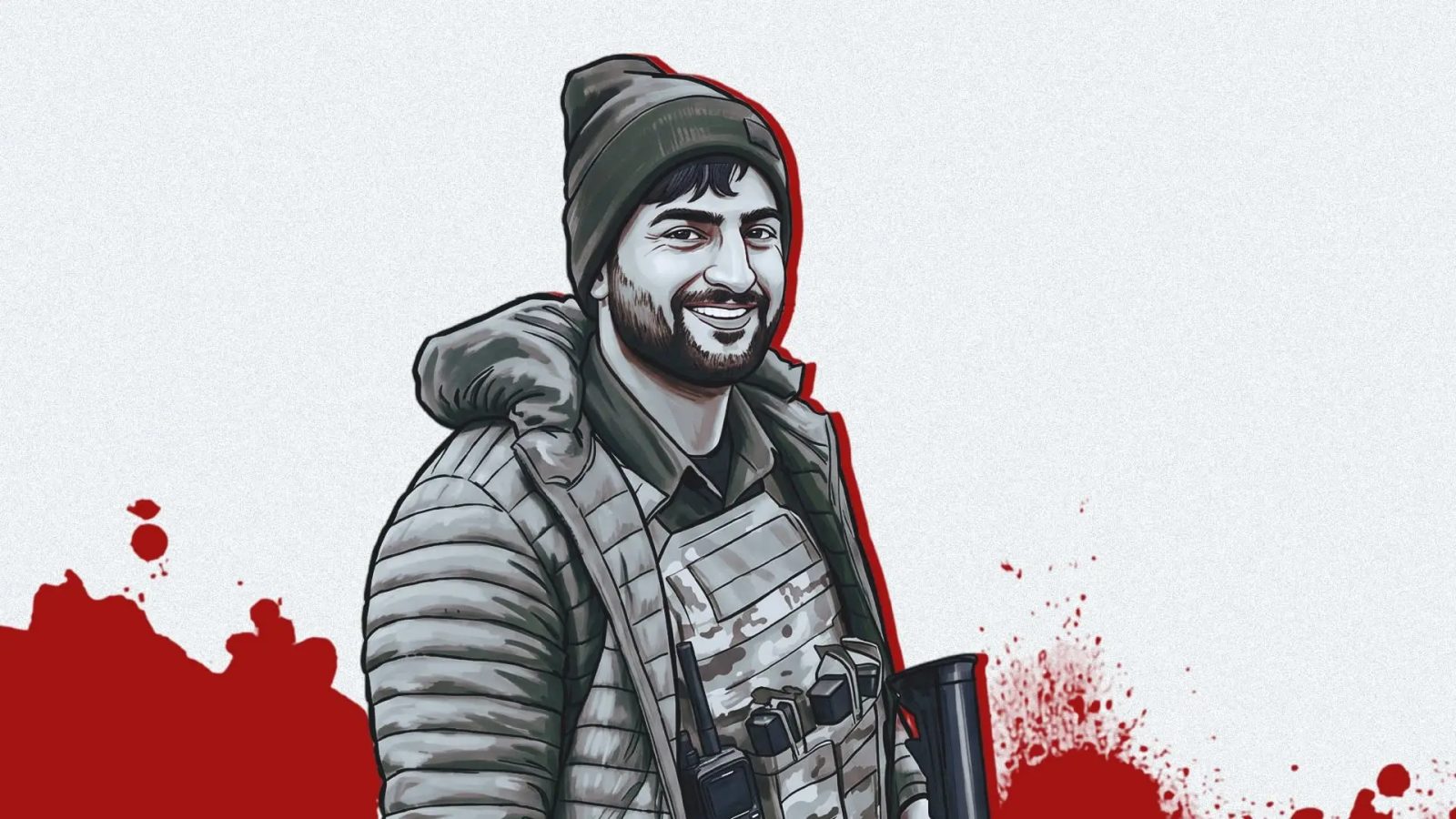
The killing of a Kurdish soldier sparks a new crisis in Syria
According to KurdPress, the killing of Sipan Hazni, a Kurdish force integrated into the Syrian army, and the widespread protests that followed, with a deadly fire in the Kobani prison and the deaths of at least eight prisoners, have come as the process of integrating the former Syrian Democratic Forces into the structure of the Damascus government faces one of its most serious tests yet; a crisis that has now raised questions about security, public trust, the rule of law, and the future of Kurds' relations with the new Syrian government.The developments of the past two days after the kidnapping and murder of Sipan Hazni, began in Hasakah and quickly spread to Kurdish cities including Qamishlo, Hasakah, Amuda, Derbesy, Geraklagi, Torbespi and Dirak. Kobani then became the main focus of tension, and street protests in the city led to the arrest of dozens of people, a prison riot and a deadly fire.
Sipan Hazni, whose real name is Sami Sheikhmous Hassu, was a former member of the Syrian Democratic Forces who joined the Hasakah Brigade of the Syrian Ministry of Defense after a merger agreement. After being kidnapped in Hasakah on September 10, he was transferred to the rural area of Serikani and his body was later found near the village of Helu.
Syrian security officials have announced that based on images and information collected, the main suspect in the murder has been identified and that operations to arrest him are ongoing.However, there is still no independent account of the motive for the killing that can shed light on all aspects of the case.
The Syrian Observatory for Human Rights has claimed that Hazni’s killing was linked to a revenge attack and that he was accused of involvement in the killing of a number of members of the Bu Hassan clan of the Bagare tribe about two years ago. The North Press Agency also emphasized that this account has not yet been independently verified.
However, the importance of the case goes beyond the possible motive for the murder. Hazni was targeted at a time when former Syrian Democratic Forces forces were joining the military structures of the Syrian government as part of the integration agreement. As a result, the incident quickly became an issue related to the security of the integrated forces and the level of trust of the Kurds in the new government structure.Human rights groups have also called for an independent and transparent investigation into the killing and warned against resolving the case through tribal mechanisms. In their view, the way the case is handled could show how well the Syrian government is able to guarantee the security of forces that have joined its official structures.





User comments