
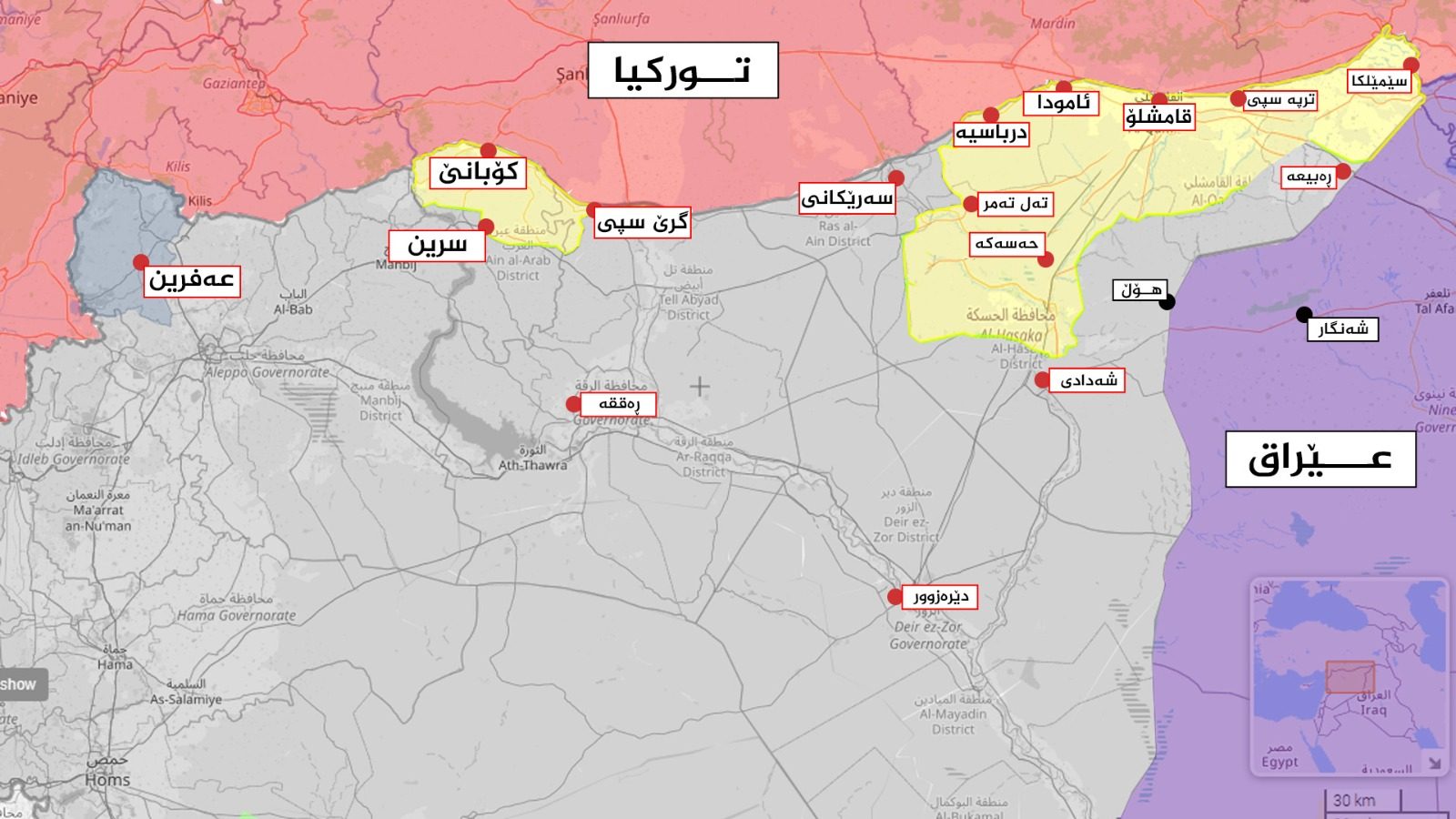
The ethnic composition of the temporary councils of Hasakah was announced; Kurdish majority in Qamishlo and Arab majority in Sarkani
According to KurdPress, the governor of Hasakah, Noureddine Ahmed, introduced the members of the two temporary appointed councils of the cities of Qamishlo and Sarkani. The temporary council of Qamishlo consists of 9 members, of which five are Kurds, three are Arabs and one is Christian. In contrast, the temporary council of Sarkani consists of seven members, of which six are Arabs and one is Kurdish.
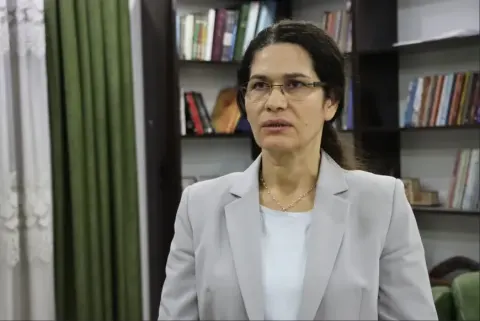
According to the Rudaw Network, based on the information published, Berin Sami Muhammad has been elected as the head of the Qamishlo city council. He is Kurdish and has a degree in civil engineering.The members of the interim council of Qamishlo are:
Brin Sami Muhammad (Civil Engineering): Chairman of the council, Kurdish
Muhammad Juma Saker (Petroleum Institute): Deputy Chairman of the council, Arab
Raeda Ovid Hamoud (Civil Engineering): Arab
Shafir Michel Touma (Lawyer): Christian
Amina Murad Omar (Lawyer): Kurdish
Abdul Razzaq Nouri Al-Asi (Civil Engineering): Arab
Abdul Razzaq Ahmad Hami (Civil Engineering): Kurdish
Dr. Rizwan Saeed Muhammad (General Medicine): Kurdish
Hassan Ali Muhammad (Faculty of Literature): Kurdish
The interim council in the city of Sarhkani also has seven members. According to the announced composition, six members of this council are Arabs and one member is Kurdish.The members of the temporary council of Sarkheni are:
Bashir Mohammad Mullah Matar (Mechanical Engineering): Chairman of the council, Arab
Faisal Ibrahim Abdul Hai (Faculty of Sharia): Deputy Chairman of the council, Arab
Mustafa Mohammad Khair Ali (Civil Engineering): Kurdish
Rabiha Ismail Al-Ahmad (Civil Engineering): Arab
Maher Abdul Latif Leili (Civil Engineering): Arab
Amir Mahmoud Ibrahim (Philosophy): Arab
Salah Al-Din Sobhi Khudair (Mechanical Engineering): Arab
According to this report, the situation in Sarkheni is still not normal and many of the original residents of the city have not yet returned to their areas. It is possible that the composition and quotas of council members will also change as the conditions of the city change in the future.

User comments