
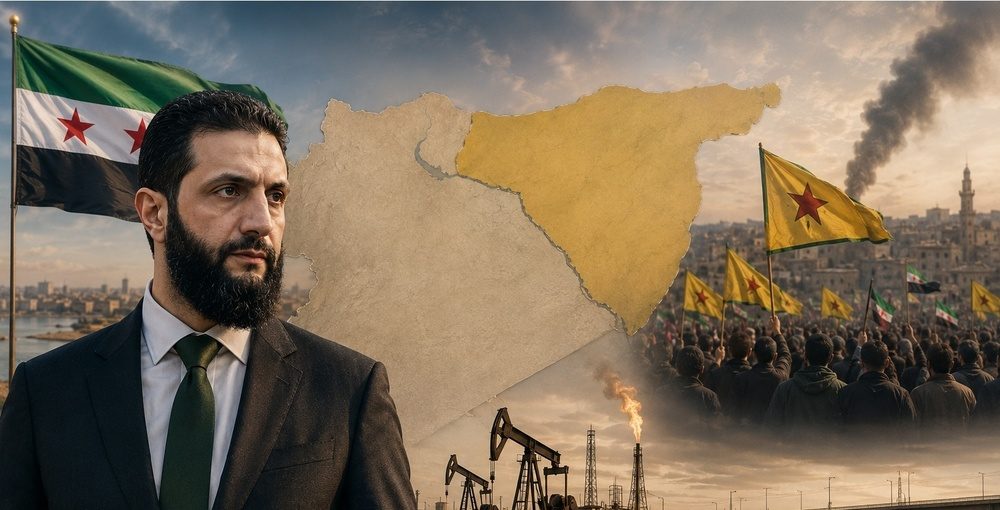
Al-Shara's treatment of the Kurds after the dissolution of the Syrian Democratic Forces
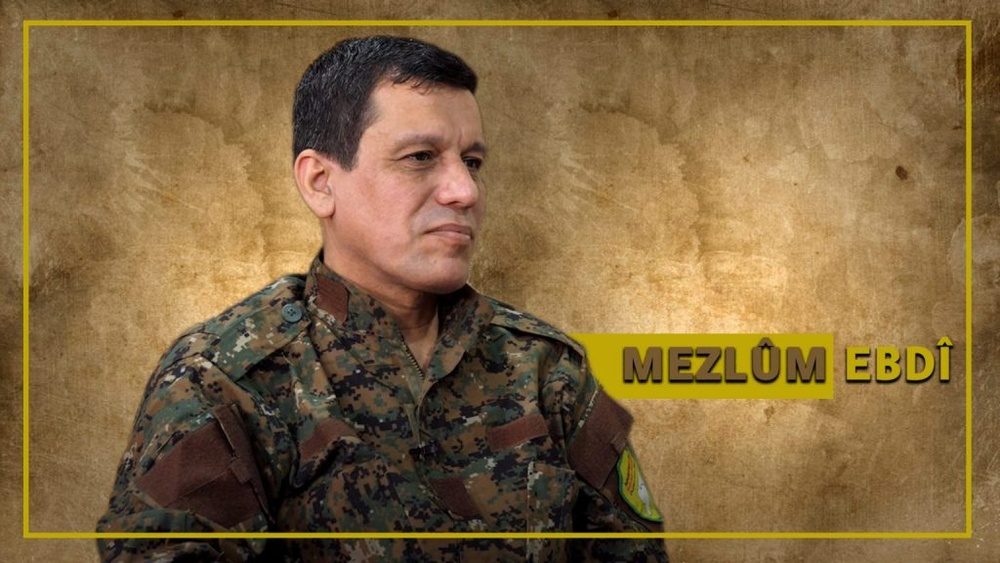
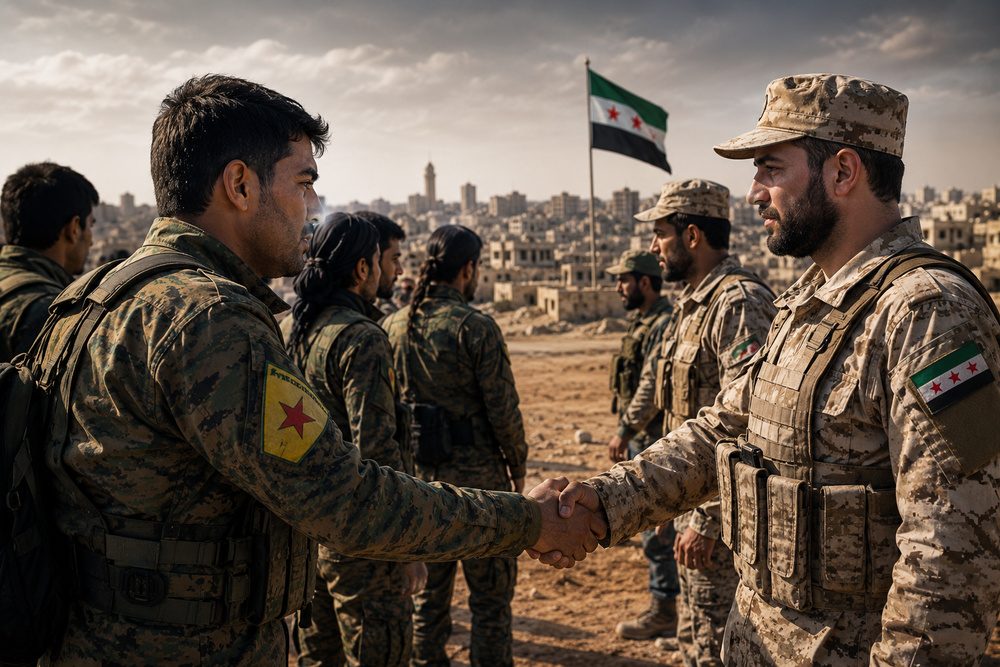
According to KurdPress, the dissolution of the Syrian Democratic Forces and the beginning of the process of integrating the forces of this coalition into the structure of the Syrian government have opened a new chapter in relations between Damascus and the Syrian Kurds; a chapter in which the Kurds are transformed from a mainly military actor into a political force, and Ahmed Al-Shara, the interim president of Syria, will face a difficult test to prove the ability of the central government to ensure the rights and security of minorities.According to Responsible Statecraft, the Syrian Democratic Forces officially announced their dissolution last week as part of a complex process of integration into the Syrian government. Shortly thereafter, Ahmed al-Sharaa appointed Mazloum Abdi, the commander of the forces, as an advisor to the president.
On the surface, these developments could be a sign of the Syrian Kurds entering the country’s new political structure, but according to Sirwan Qajo, the author of the text, the dissolution of the Syrian Democratic Forces alone does not mean the solution to the Kurdish issue.
The integration process, which began in January 2026, has been accompanied by distrust, tension, and at times violence from the beginning. Therefore, the transfer of the Syrian Democratic Forces to the central government structure will not necessarily mean the end of the differences between Damascus and the Kurds.According to this analysis, Damascus’s approach towards the Kurds has been shaped by three main factors: the central government’s efforts to return power to Damascus, Turkish pressure to disband the Syrian Democratic Forces, and the US’s shift from direct cooperation with Kurdish forces in northeastern Syria to greater support for the central government in Damascus.
In such circumstances, Syrian Kurds face two sets of demands. First, historical demands are related to ethnic, cultural, and political rights; including the right to use the Kurdish language, preserve cultural identity, and enjoy political representation. Previous Syrian governments have pursued policies over decades that have led to restrictions on the Kurdish language, the confiscation of Kurdish land, and the suppression of Kurdish cultural manifestations.
The second set of Kurdish demands emerged after the Syrian war.Over the course of more than a decade, the Kurds have managed to establish a system of self-government in parts of northern and northeastern Syria, and have gained extensive experience in governing Kurdish-populated areas. This experience has led to their demands today going beyond cultural and civil rights to include issues such as decentralization, local governance, and effective participation in the Syrian political structure.
From this perspective, the dissolution of the Syrian Democratic Forces should not be interpreted as meaning that the Syrian Kurds have abandoned their demand for self-government or decentralization. Furthermore, the Syrian Democratic Forces and the political movements close to it cannot be considered representative of all Syrian Kurds; the country’s Kurdish population is estimated to be around three million, and there are diverse political views among them.
The author emphasizes that decentralization is not simply an ethnic demand.From the perspective of some Syrian Kurds, decentralization could prevent the return of a centralized and authoritarian system that had previously allowed for the suppression of dissent, the marginalization of minorities, and the extensive concentration of power in Damascus.
Therefore, even if the government of Ahmed al-Sharaa agrees to some Kurdish demands regarding language, culture, and political representation, these gains will remain fragile if Syria’s political structure remains highly centralized.
The main issue from this analysis is that Kurdish rights should not be guaranteed solely on the basis of an agreement between Damascus and the leaders of the Syrian Democratic Forces. Without genuine political participation, mechanisms for oversight of executive power, and some form of decentralization, Kurdish rights will ultimately depend on the will of the central government and could be restricted again as the balance of power in Damascus shifts.Damascus’s treatment of other Syrian communities could also be a sign of the challenges ahead. In the south, disputes between the central government and the Druze remain unresolved. In the coastal region, relations between the government and the Alawites remain tense after the March 2025 violence. Syrian Christians also continue to face harassment and threats from armed groups affiliated with the government in some areas.
In this light, the Kurdish issue is part of a larger question about the future of the Syrian political system: can Ahmed al-Sharaa create a government in which different ethnicities and communities, without departing from the framework of a unified state, have political power and the possibility of real participation in the governance of their regions?
According to the conclusion of Responsible Statecraft, the future of the Syrian Kurds depends more on the nature of the new Syrian political system than on the fate of the Syrian Democratic Forces.The agreement between Damascus and the SDF may end the military phase of the Kurdish issue, but a lasting solution to the issue requires the creation of a political structure in which power is distributed beyond Damascus, local communities have a real role in decision-making, and the political and cultural rights of citizens are guaranteed in a new constitution.
In such circumstances, Ahmed al-Sharaa faces a fundamental choice: he can view the dissolution of the SDF simply as an opportunity to restore Damascus’ control over Kurdish areas, or he can see it as the starting point for a political agreement to create a more decentralized and inclusive Syria. In the author’s view, only the latter option can pave the way for a lasting solution to the Kurdish issue and other minorities in Syria.
User comments