
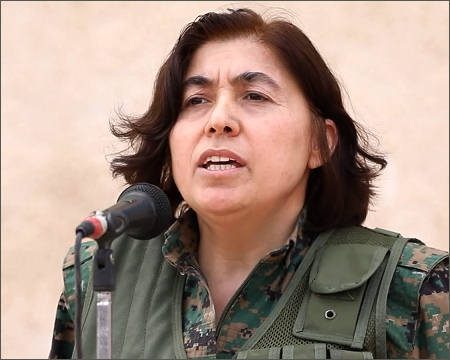
Damascus opposes the organized presence of the YPJ in the Syrian army
According to Kurdistan Press, the commander of the Women's Protection Units (YPJ) announced that in its negotiations with the new Syrian government, the force had requested to maintain its organized structure and the presence of its forces as an independent brigade or battalion in the Syrian army, but this proposal was rejected by Damascus.He added that the YPJ, which has more than 1,500 troops, has now proposed joining the Interior Ministry’s special operations forces and is awaiting the Syrian government’s final response.
Speaking to Reuters at a military base in Qamishlo, Nowruz Ahmed said the YPJ had wanted to join the Syrian army because of its military experience and capabilities.
“Our goal was to join the army because our forces have the experience and expertise that allow them to defend themselves in an organized manner and as an independent brigade or battalion,” he said.
According to the YPJ commander, the force had stipulated that its structure be maintained, that its forces would not be dispersed to different areas and that they would not be divided into small groups; however, this offer was not accepted by the Syrian side.YPJ seeks to join Interior Ministry
After Damascus opposed the YPJ’s organized presence in the army, the force has continued its talks with the Syrian Interior Ministry to find a way to maintain a coherent structure for its forces.
Ahmed said the YPJ had proposed that its forces join the Interior Ministry’s “special operations” forces, an option that he said was more in line with the YPJ’s training and capabilities and could pave the way for an increase in the number of women in the predominantly male Syrian security forces.
“When we spoke to the Interior Ministry, we told them that our forces numbered over 1,500 fighters and asked if all of them would be integrated,” he added. Ahmed said he expected a concrete response from the Interior Ministry in the coming days.The Syrian defense and interior ministries did not respond to Reuters’ questions about the talks with the YPJ at the time of publication.
However, Syrian Interior Ministry spokesman Noureddine al-Baba told Rudaw on Friday that the YPJ would be accepted into the ministry, but did not provide details about their duties or structure. He also said the ministry’s forces would be deployed across Syria and would not be confined to a specific region.
Previous offers for YPJ women
According to people familiar with the talks, Syrian officials had earlier this year offered the YPJ to join the interior ministry’s tourism police unit, which already has women in it.
The YPJ rejected the offer, the sources said.However, a YPJ spokesman denied making such an offer and said that such an offer had never been made to the force.
Uncertain future of Kurdish women’s forces
The future of the YPJ remains uncertain after the political and military developments in Syria. During the war against ISIS, the force became one of the most well-known women’s military units in the world and participated in battles in northern and eastern Syria alongside the People’s Protection Units (YPG) and the Syrian Democratic Forces (SDF).
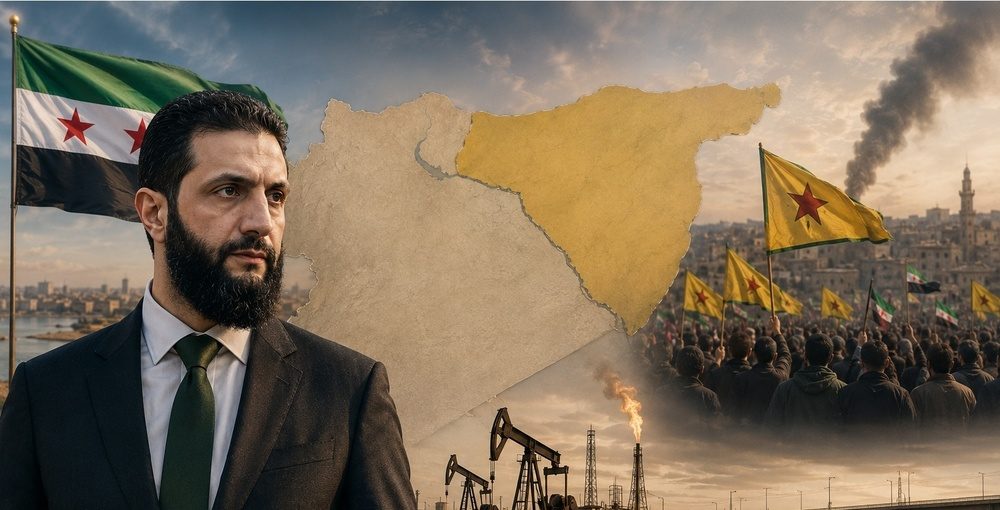
After the fall of Bashar al-Assad’s regime in late 2024 and the rise of a new government led by Islamist forces, Damascus attempted to bring various armed groups under the control of official government structures.
In the same context, the Syrian Democratic Forces were also recently disbanded and some of its forces were integrated into the structures of the Syrian Ministry of Defense. SDF Commander-in-Chief Mazloum Abdi was also appointed as an advisor to the interim Syrian president.However, women have not yet found a clear position in the new structure of the Syrian Ministry of Defense.
Kurds' concerns about the new Syrian government
Negotiations about the future of the YPJ are taking place in a situation where parts of the Syrian Kurdish community continue to distrust the new government.
Some Kurds have expressed concern about the future of their rights and status in the new Syria, citing the deadly violence committed by government-affiliated forces against minorities in 2025, as well as Ahmed al-Shara'a's history of leading the Syrian branch of al-Qaeda before breaking ties with the group.
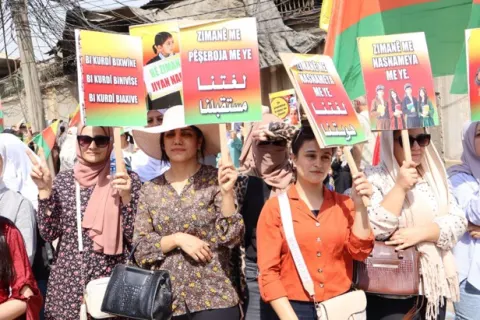
The fate of the YPJ is also of particular importance to many Kurdish women, as the force has become a symbol of the extensive role of women in the military, political and social structures of the areas under the control of the autonomous administration in northern and eastern Syria.
"They always see women as weak," said Göksu Çiğer, a 20-year-old YPJ fighter.As women, we do not take our power from men, and we do not take our power from the current government. We want a special status and we insist on it.”
“Panabar Baran,” a 31-year-old commander of a YPJ unit, also emphasized that the Syrian constitution must explicitly guarantee the status and role of this force.
“Until today, we have never waited for anyone to defend us; we women have defended ourselves,” she said.
The Role of Women in the Autonomous Administration Structure
Before the fall of Bashar al-Assad’s regime, the Autonomous Administration of Northern and Eastern Syria, which had developed its political and administrative structures since 2018, governed the region based on a model based on democratic confederalism.This structure emphasizes direct political participation, equal rights for women and men, separation of religion from government, and environmental protection, and has been noted for increasing the role of women in political institutions and local decision-making.
Within this framework, the YPJ operates as a women's military force alongside other military forces in the region, and the widespread presence of women in military, political, and social institutions is considered one of the main features of the autonomous management structure in northern and eastern Syria.

User comments