
The ambiguous fate of the Syrian Kurdish Women's Units
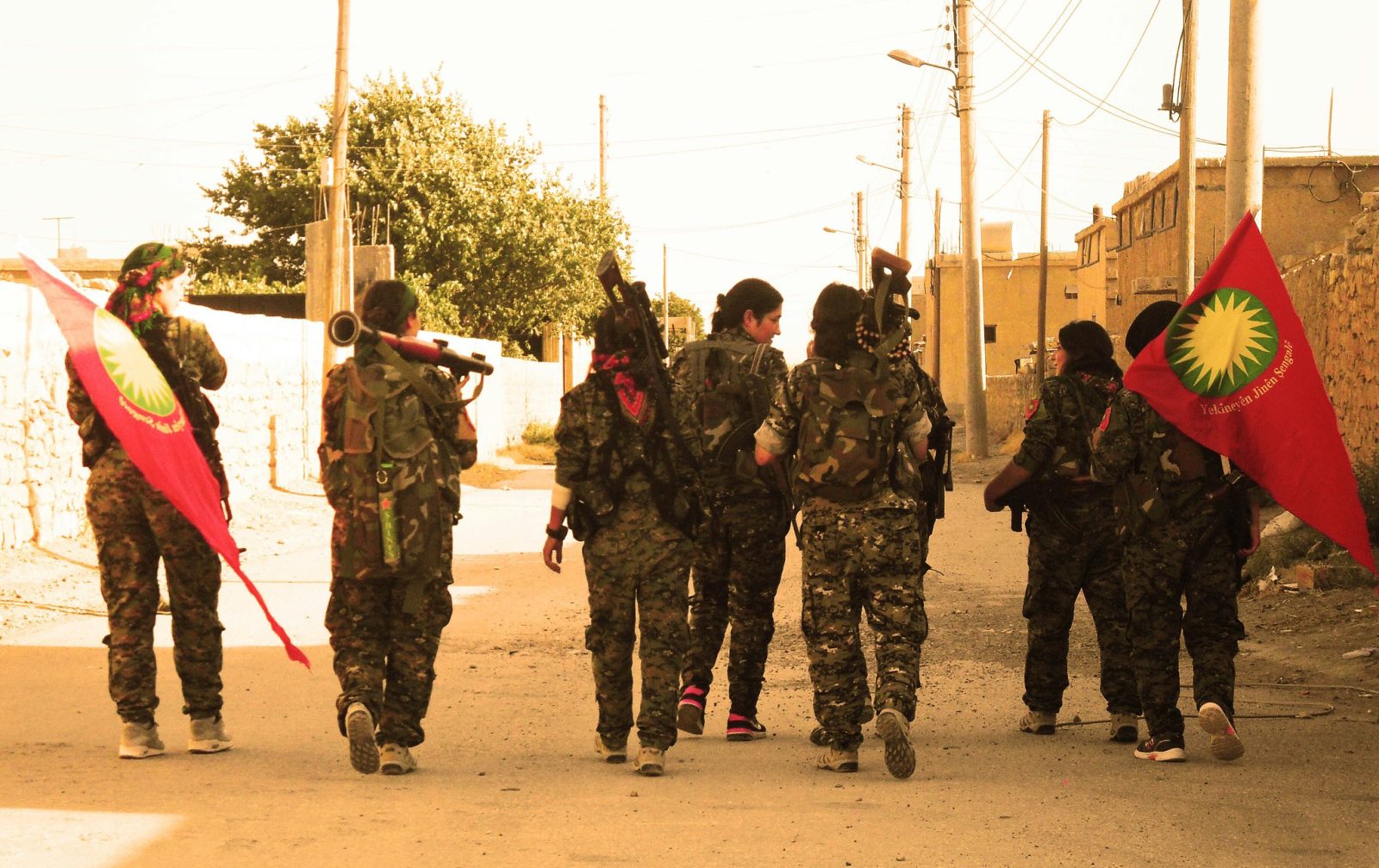
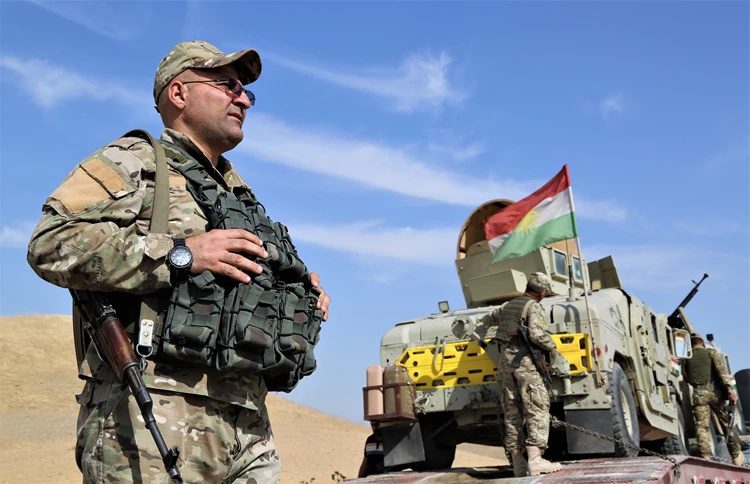
The Syrian Kurdish Women's Defense Units (YPJ), which became a global symbol of the role of women on the battlefield during the war against ISIS, are now trying to maintain an organized role in the Syrian security structure after the dissolution of the Syrian Democratic Forces and the beginning of the integration of the military structures of northern and eastern Syria into government institutions.
According to Reuters, the YPJ participated in the fight against ISIS alongside the Syrian Democratic Forces and with US support during the war years and played a role in expelling the group from large parts of northern and eastern Syria.But with the new Syrian government taking office and Damascus trying to integrate former armed groups into state institutions, the future of this female force is shrouded in uncertainty.
Last week, the Syrian Democratic Forces were officially disbanded and the process of integrating its forces into the Syrian army and security structures began. Mazloum Abdi, the former commander of the Syrian Democratic Forces, has been appointed as an advisor to the Syrian president, and a number of other former commanders of the force have also joined the Syrian Ministry of Defense.
However, Reuters reports that there are no women in the new structure of the Syrian Ministry of Defense, which has increased the concerns of the YPJ about the future of the female forces.
Norouz Ahmed, the commander of the YPJ, said that during recent meetings with Syrian President Ahmed al-Sharaa in Damascus, he was told that the female forces of this unit have no place in the army structure.“We wanted to join the army because our forces have the experience and expertise to defend themselves in an organized manner, as an independent brigade or battalion,” he said.
“Our main condition was that the force remain organized, not be sent to another location, and not be scattered in small groups,” added Nowruz Ahmed. “They rejected this proposal.”
According to Reuters, the YPJ is now continuing its negotiations with the Syrian Interior Ministry to find a way to maintain an organized military force. The talks come as the new Syrian government is rebuilding the country’s security structures after more than a decade of war.
According to the report, the Syrian Interior Ministry had previously proposed that YPJ members join the ministry’s tourism police unit, an offer that the YPJ rejected.However, Nowruz Ahmed says the force has proposed that YPJ members join the Interior Ministry’s Special Operations Forces, a structure that is closer to the YPJ in terms of mission type and operational capabilities.
“When we negotiated with the Interior Ministry, we said that our forces have more than 1,500 fighters and asked whether all these forces will be integrated or not,” he said.
Nowruz Ahmed added that he expects the Syrian Interior Ministry to announce its response to the proposal “in the coming days.”
Meanwhile, Syrian Interior Ministry spokesman Noureddine al-Baba told Kurdish media outlet Rudaw that YPJ forces will be accepted into the ministry’s ranks, but did not elaborate on their exact status. He stressed that Interior Ministry forces will be deployed throughout Syria and will not be limited to a specific geographical area.
The YPJ issue is not limited to the future of a military force.For many Syrian Kurdish women, the unit symbolizes some of the political and social gains women have made during the war, gains that are now in danger of being lost as self-governing structures are transferred to central government institutions.
“They always see women as weak. As women, we do not take our power from men, and we do not take our power from the current government,” said Göksu Ciyagar, a 20-year-old member of the YPJ.
“Of course, we want and insist on a special status.”
Panaber Baran, a 31-year-old commander of a YPJ unit, also called for the force’s place to be guaranteed in the Syrian constitution.
“The Syrian constitution should explicitly guarantee a role for the force,” she said.
Baran added: “Until today, we have never waited for anyone to defend us. We, as women, have defended ourselves.»
The talks on the future of the YPJ are taking place amid lingering distrust among parts of Syria’s Kurdish community in the new government. The Kurds point to the 2025 violence against minorities and the history of Syrian President Ahmed al-Sharaa, who led the Syrian branch of al-Qaeda before breaking ties with the group.
In this light, the fate of the YPJ will be a key test of Syria’s new security order. How Damascus handles the force’s request to maintain an organized structure will determine not only the extent to which women will be included in the new security institutions, but also the extent to which the Kurdish regions’ military and social heritage will be accepted by the central government.
User comments