
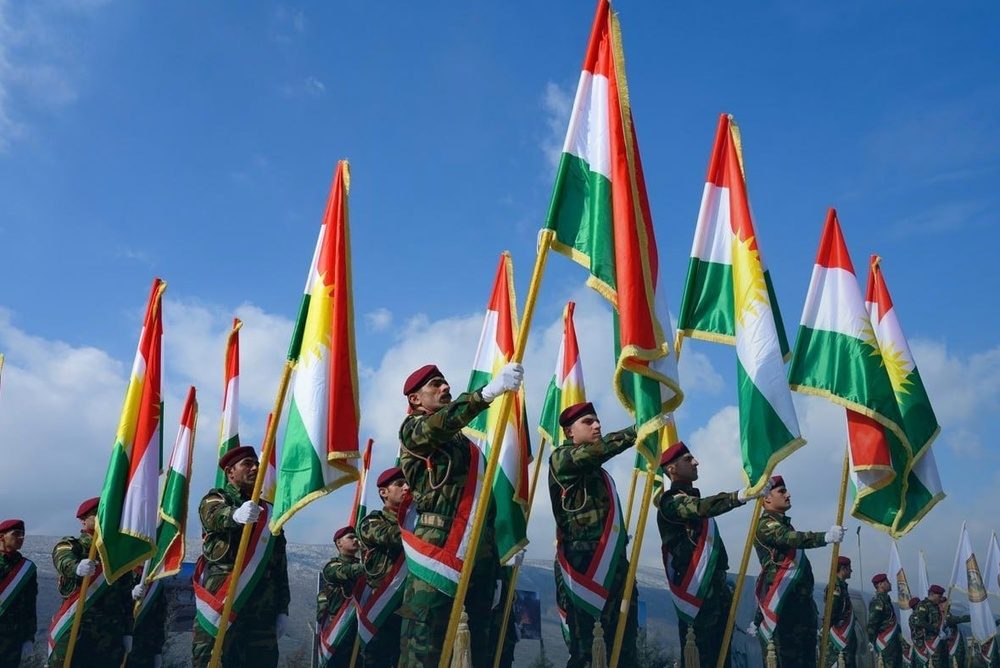
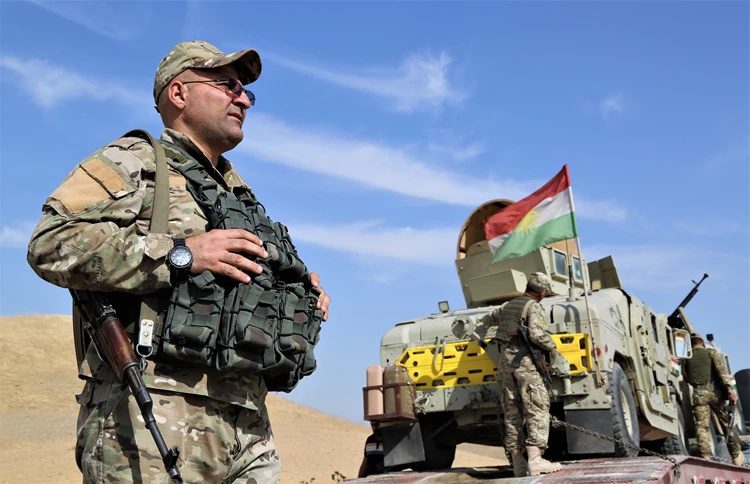
The Future of the Kurdistan Region's Peshmerga Forces After the US Withdrawal
According to KurdPress, the Long War magazine, affiliated with the Foundation for Defense of Democracies, in a report discussed increasing concerns in the Kurdistan Region about the future of US military and financial support for the Peshmerga forces. These concerns have intensified in a situation where the US is reducing its military presence in Iraq and at the same time drone and missile attacks on the Kurdistan Region continue.
The BBC reported on August 29 that the US government intends to stop direct military support for the Peshmerga forces of the Kurdistan Region.The news, coming as the US troops are due to leave Iraq on September 30, has sparked widespread debate in the region about the implications of Washington’s reduction in support.
US support for the Peshmerga is provided under a memorandum of understanding between the US Department of Defense and the Kurdistan Regional Government’s Ministry of Peshmerga. The memorandum was first signed in 2016 and extended in 2022. Its main purpose was to support the Peshmerga’s participation in the fight against ISIS as part of the Iraqi security forces and to help reform the structure of the Peshmerga Ministry.
However, since the spring of 2026, there have been reports of a sharp reduction in this assistance. According to the US budget proposal for fiscal year 2027, direct assistance to the Peshmerga, which was about $61 million, could be reduced to zero. Only about $1 million is earmarked for medical needs.In contrast, nearly $119 million will be allocated to the Iraqi federal government’s defense and counterterrorism forces.
The change could signal Washington’s desire to gradually transfer security support from the Kurdistan Region to the central Iraqi government. However, it is not yet clear whether the end of the current memorandum of understanding will mean the complete end of US military cooperation with the region or whether a new agreement will replace it.
Regional officials have also taken different positions in recent days on the future of this cooperation. The Peshmerga Ministry said on August 29 that it had not received any notification of the US cutoff in aid, but a day later confirmed that the current memorandum of understanding would end on September 30.Shoresh Ismail, the Peshmerga Minister, said that the memorandum of understanding was signed four years ago at the Kurdistan Regional Government’s presidency and that its term will expire in September, and that all of its provisions have been implemented.
Despite the end of the agreement, the Kurdistan Regional Government’s officials insist that security cooperation with the United States should not stop. The Kurdistan Regional Government’s Interior Minister, Reber Ahmed, has announced negotiations with the Pentagon to continue Washington’s support. The Kurdistan Regional Government’s Prime Minister’s Office has also announced that the end of the current memorandum of understanding should not be seen as the end of the strategic partnership and cooperation between the United States and the Kurdistan Region.
The US ambassador had also previously said that Washington’s financial support for the Kurdistan Region to integrate the Peshmerga forces was intended to be temporary from the beginning.This position suggests that the US sees its assistance as part of a program to reform and reorganize the Peshmerga forces within the framework of the Iraqi security structure, rather than a permanent commitment.
Security concerns in the region have increased as targets in the Kurdistan Region have once again been targeted. On the night of September 1-2, drones targeted areas in the region.
The region’s Counter-Terrorism Service also announced that the international coalition against ISIS had shot down 10 drones. Some local reports also reported that a surveillance balloon had been targeted, although this claim has not been independently confirmed.
According to the statistics presented in the report, the Kurdistan Region has faced more than a thousand drone and missile attacks since the US and Israeli attacks on Iran began in February.The debate over the future of US support therefore comes at a time when the region is facing a host of simultaneous security threats.
The key issue for Erbil now is to what extent the gradual withdrawal of US forces from Iraq will reduce Washington’s security role in the region. The end of direct financial support for the Peshmerga could reduce the resources needed to reform and develop these forces and, in a context of increased external threats, strain the region’s deterrence.
However, the end of the current memorandum of understanding does not necessarily mean the end of US-KRG security relations. The region’s authorities are still trying to establish a new framework for continued cooperation through negotiations with Washington.Overall, recent developments indicate that the Kurdistan Region is on the verge of a new phase in its security relations with the United States, in which Washington seeks to reduce its direct military presence in Iraq. This is while Erbil is trying to maintain strategic cooperation and US security support, albeit in a different format. The coincidence of this process with the intensification of drone and missile attacks on the Kurdistan Region has made these negotiations doubly important for the future of the region’s security.

User comments