
The Damascus-Kurdish agreement has not resolved the conflict
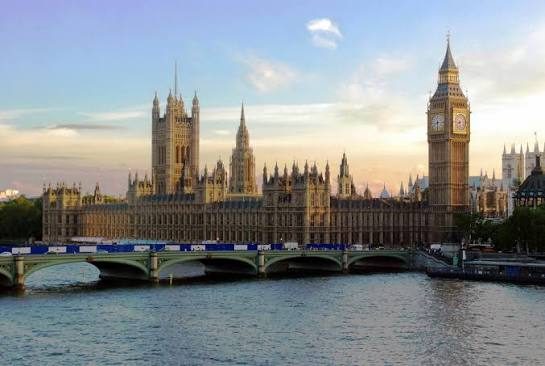
According to KurdPress, according to the report of the "British Parliament Office" published on September 2, 2026, the situation of the Syrian Kurds can be summarized in one sentence: "The transition from military-administrative autonomy to integration into the central government, against efforts to consolidate the rights of the Kurds in the constitution."
After the fall of Bashar al-Assad in December 2024, the most important development in the situation of the Syrian Kurds in 2026 is the agreement to integrate the military and administrative structures of the Kurdish regions of northern and northeastern Syria into the structure of the central government.This process entered a new phase after months of disagreement between the transitional government of Ahmed al-Sharaa and the Syrian Democratic Forces, especially following the January 2026 clashes.
The Syrian Kurds tried to maintain their self-governing structures after the fall of Assad, but the transitional government insisted on the creation of a unified state and a single army. Ahmed al-Sharaa declared the “unity of Syria” a red line and demanded that all armed groups be placed under central command. In return, Kurdish leaders wanted to maintain a level of autonomy, guarantee the political and cultural rights of the Kurds, and reduce the concentration of power in the hands of the transitional president.
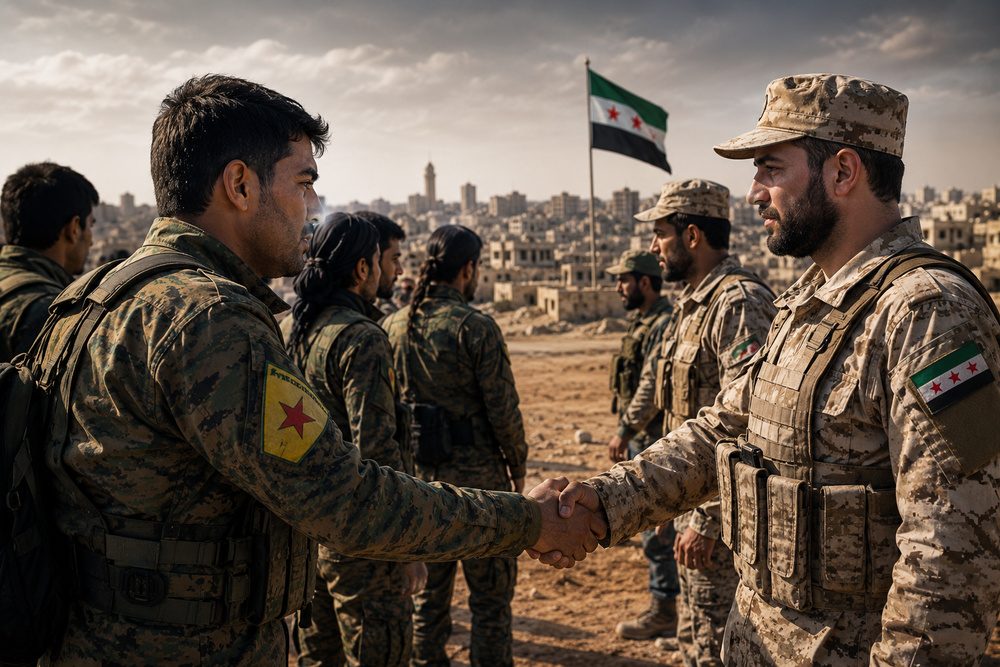
Finally, after the January 2026 clashes and the change in the military balance in northeastern Syria, a 14-point agreement was announced on January 18 between the Syrian Democratic Forces and the transitional government, which was accompanied by supplementary agreements at the end of the month.According to this agreement, the process of “phased integration” of Kurdish military and governance structures into the central government began.
The most important provisions of this agreement included the transfer of control of Raqqa and Deir ez-Zor to the central government, the integration of Hasakah into the structure of the Syrian government, the inclusion of Kurdish-led forces in the unified Syrian army, the withdrawal of non-Syrian forces associated with the PKK, the transfer of management of oil fields and external borders to the central government, and the guarantee of Kurdish linguistic and cultural rights.
The end of the independent military role of the Kurds
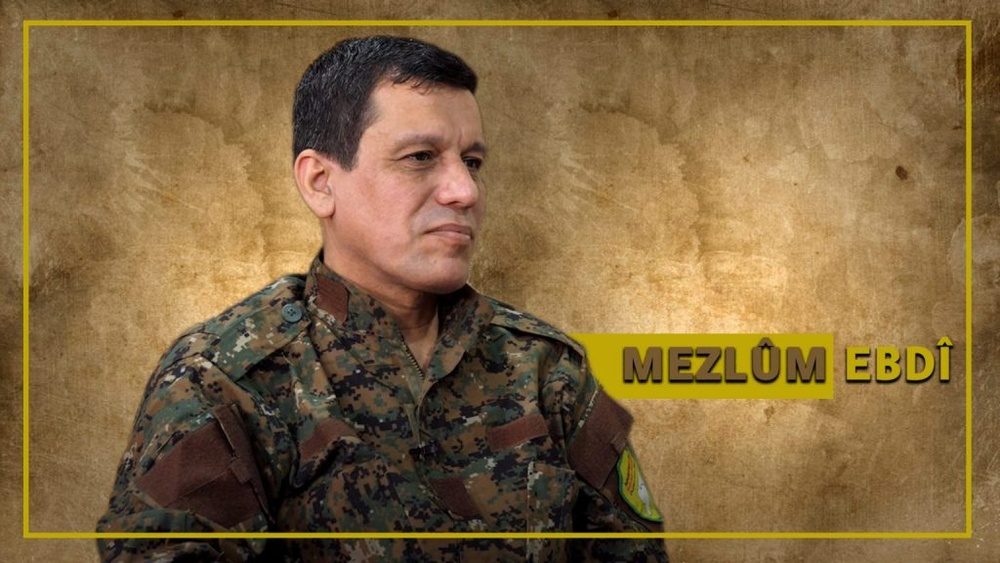
The British Parliament believes that the integration process has made significant progress in 2026. In August 2026, Mazloum Abdi, the commander of the Syrian Democratic Forces, announced that the process of integrating the military, security and administrative structures of these forces into the national institutions of Syria had been completed.
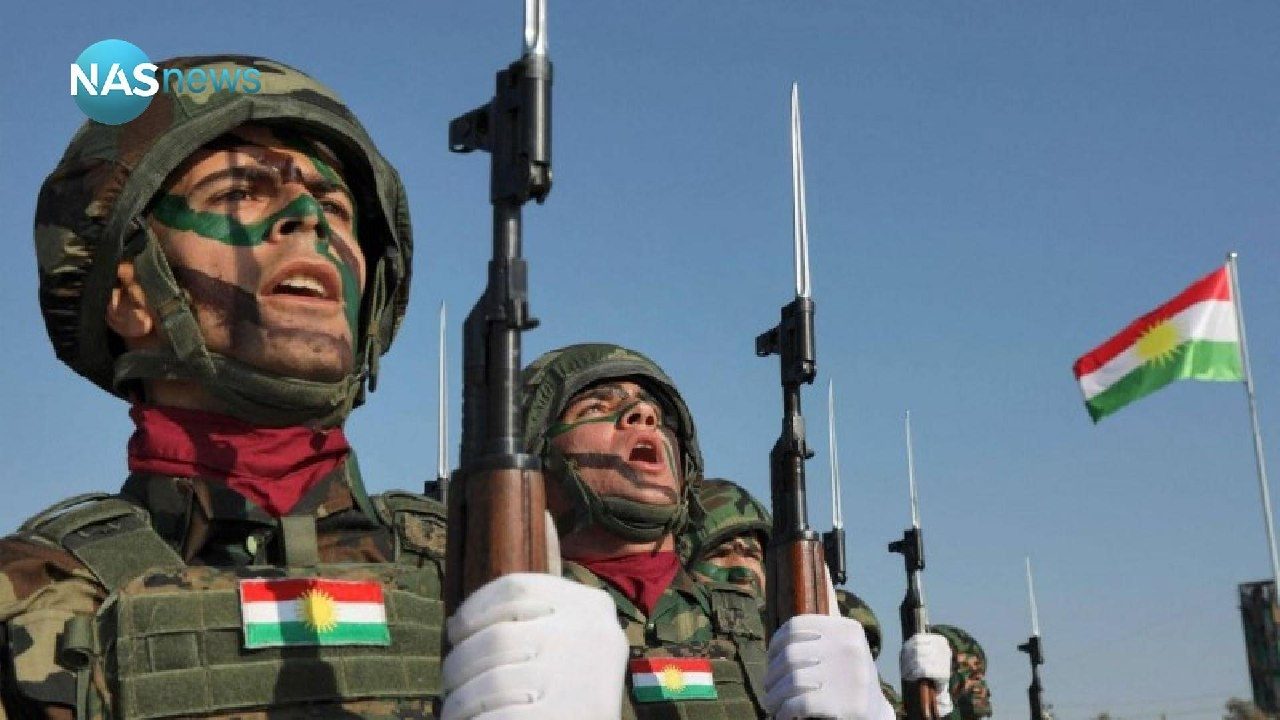
The dissolution of the Syrian Democratic Forces as an independent military force is considered the most significant change in the position of the Syrian Kurds.In this way, the military structure that was the main pillar of protecting the Kurdish-controlled areas for more than a decade no longer exists independently.
However, from the perspective of the British Parliament, the end of the independent military structure does not mean a complete solution to the Kurdish issue. The main issue has now shifted from “territorial and military control” to “guaranteeing political, cultural and administrative rights.”
After announcing the completion of the integration, Mazloum Abdi also emphasized that the next step should be to consolidate the rights of the Kurdish people in the permanent constitution of Syria.
The most important achievement; recognition of the cultural rights of the Kurds
One of the measures of the transitional government in January 2026 was to declare Kurdish as the national language of Syria. The Damascus government has also provided the possibility of applying for Syrian citizenship for stateless Kurds; an issue that has its roots in the policies of previous Syrian governments and the deprivation of citizenship from some Kurds.However, Kurdish leaders believe that such measures alone are not enough and that Kurdish rights should be guaranteed in a permanent Syrian constitution.
In the field of education, negotiations between Kurdish representatives and the central government on the Kurdish education system are also ongoing. Therefore, one of the key issues of the next stage will be determining the place of the Kurdish language in the Syrian educational and administrative system.
Political participation; still a point of contention
The Syrian transitional parliament is another point of contention between the Kurds and the Damascus government.
Elections for the Kurdish regions of northeastern Syria were held in May 2026, and a total of 11 people, including six Arabs and five Kurds, were elected to parliament. However, a number of Kurdish parties boycotted the process, believing that the region’s share in parliament should be more than 11 seats.
The Democratic Union Party also boycotted the elections.As a result, although Kurds are now represented in Syria’s transitional parliamentary structure, Kurdish leaders do not consider the composition of the parliament to be truly representative of the Kurds’ demographic and political weight.
The British Parliament Office also notes that Kurdish and Druze areas in southern Syria did not participate in the first round of parliamentary elections, and their 10 percent share of parliamentary seats remained vacant for some time.
The end of autonomy or its transfer to the constitution?
One of the important points of the British Parliament report is that the agreement between Damascus and the Kurds does not necessarily mean a final solution to the Kurdish issue.
The Chatham House analysis cited in the report believes that the agreement between Damascus and the Syrian Democratic Forces has postponed the conflict rather than resolving it.Issues such as who will appoint the Kurdish regional authorities, how oil revenues will be divided, the level of administrative decentralization, and what powers the Kurds will have in governing their regions could still be sources of disagreement.
For this reason, the next step for the Syrian Kurds will not be to maintain an independent military force, but to translate the political and cultural achievements of the self-rule era into legal and constitutional rights.
Changing US policy; a key factor in the Kurds’ new position
From the perspective of the British Parliament, changing US policy has also been effective in weakening the previous position of the Syrian Kurds.
The United States, which in recent years was the most important partner of the Syrian Democratic Forces in the fight against ISIS, in 2026 changed its policy towards strengthening the transitional government in Damascus.Tom Barrack, the US special envoy for Syria, declared in January 2026 that “the primary purpose of the SDF as the main force fighting ISIS on the ground has largely ended.”
The US also completed the handover of its main military bases in Syria to the transitional government in April 2026.
Therefore, in the view of the report, the Syrian Kurds can no longer rely on the same level of US military support as they did during the war against ISIS.
What is the main concern of the UK?
The position of the UK government in the report of the British Parliament is clear: London welcomes the integration of the SDF into the structures of the central government, but at the same time emphasizes the need to guarantee the rights of the Kurds.
The UK government wants an “inclusive political transition” that guarantees the rights of all Syrians, including the Kurdish community.London has also welcomed the dissolution of the Syrian Democratic Forces and called for the full implementation of the January 2026 agreement.
In Britain’s view, preserving Syria’s territorial integrity and guaranteeing the rights of the Kurds are not contradictory goals; they must be achieved simultaneously in the form of a political agreement and a new constitution.
Conclusion
The British Parliament Office report presents a dual picture of the future of the Syrian Kurds. On the one hand, the Kurds have lost a significant part of their military and territorial power in 2026, and the Syrian Democratic Forces have been dissolved as an independent force. The Kurdish Regional Government is also on the path to integration with the central government.
On the other hand, the Kurds have been able to include the issue of linguistic and cultural rights, citizenship for stateless Kurds, and political participation in the negotiations on the new structure of Syria.Thus, from the perspective of the British Parliament, the issue of the Syrian Kurds has moved from “self-government in practice” to “rights guaranteed in the constitution.” The success or failure of this phase will depend on whether Damascus is willing to go beyond the symbolic recognition of the Kurds’ rights and create lasting political, cultural, educational and administrative guarantees for them.
User comments