
The End of the US-Peshmerga Agreement
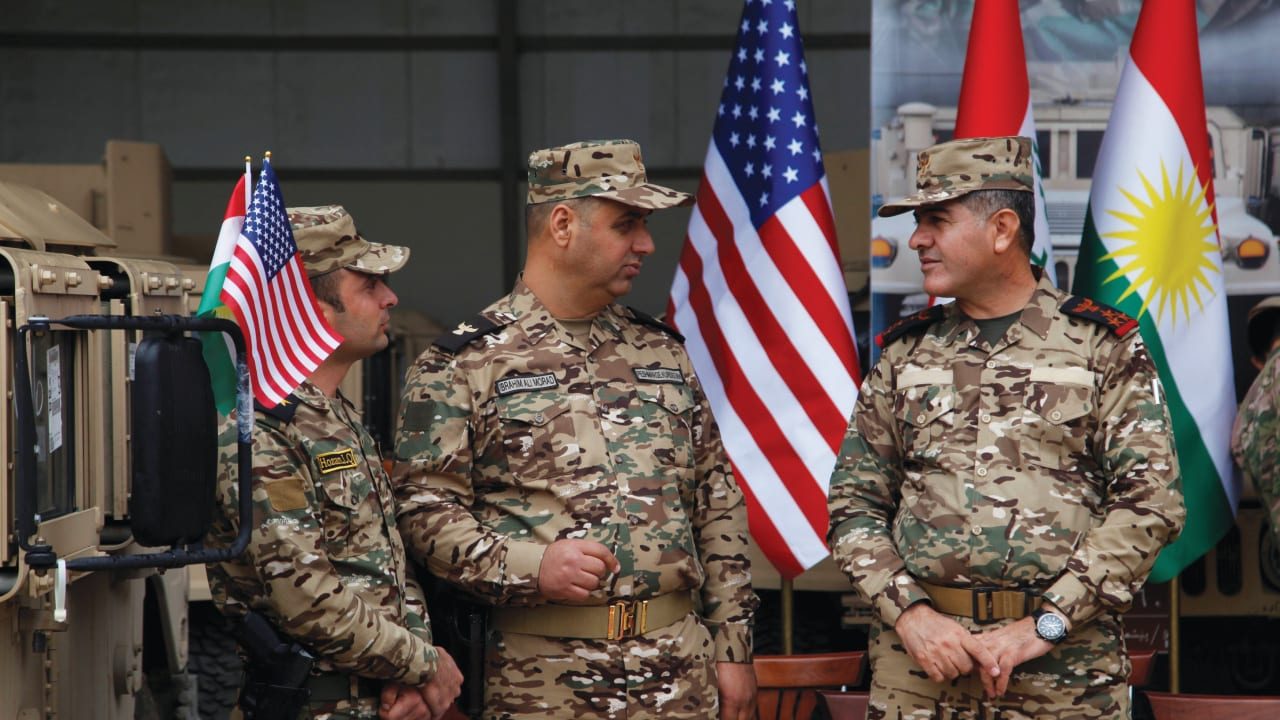
According to Kurdistan Press, citing the New Region, the security agreement between the US and the Kurdistan Region to support the Peshmerga forces is about to end, while international coalition forces are also scheduled to withdraw from the Kurdistan Region by the end of September 2026. This development could open a new chapter in Washington's security relations with the region.
According to the New Region report, the four-year memorandum of understanding between the US Department of Defense and the Kurdistan Region's Peshmerga Ministry, which was signed in 2022, will expire in September 2026.The agreement was intended to support the US in the process of reforming and integrating the Peshmerga forces and transferring units affiliated with political parties to a single command structure.
Despite the Peshmerga Ministry’s request to extend the agreement, reports indicate that the US is not interested in extending it. However, the end of the agreement does not mean the end of US military cooperation with the Peshmerga, and Washington can continue to train and support the Kurdish forces in other forms.
Former US ambassador and former assistant secretary of state for Near Eastern affairs, Joey Hood, believes that US financial support for the Peshmerga integration process has been temporary from the beginning. According to him, if Washington now stops paying salaries and related assistance to these forces, it may have concluded that the integration process has reached its completion.But the U.S. Central Command’s assessment suggests that the situation is more complex. CENTCOM has stated that the Kurdistan Region does not yet have the full capacity to assume the responsibilities previously provided through the Counter-ISIS Training and Equipping Fund. The region’s ability to independently manage training, military readiness, and pay for its forces is also assessed as “limited and uneven.”
The U.S. Defense Intelligence Agency also continues to see deep partisan divisions as a major obstacle to the formation of a unified, nonpartisan security force in the Kurdistan Region. Thus, the end of the memorandum of understanding does not necessarily mean the end of the Peshmerga reform process; rather, a significant part of the responsibility for this process now falls on the regional government itself.
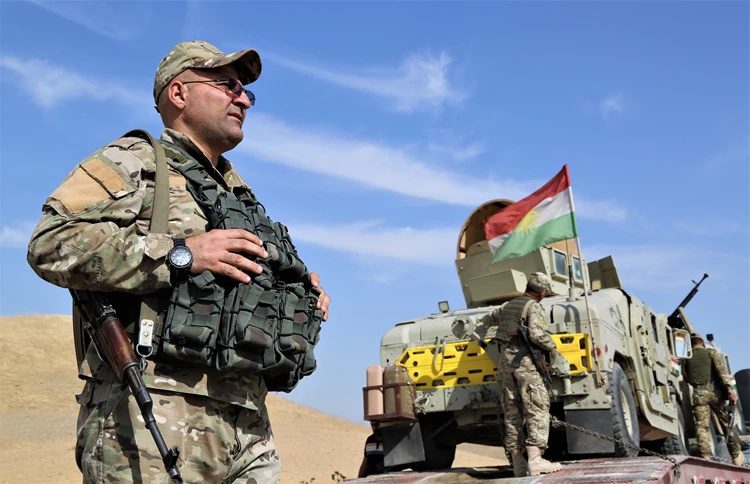
The next step is likely to be a change in the form of U.S. military cooperation. Miles B.Coggins, a retired U.S. Army colonel and former spokesman for the anti-ISIS coalition, said future cooperation would focus more on small, mobile training and advisory teams and joint exercises rather than long-term deployments of foreign forces. Some Peshmerga officers could still be sent to the United States and Europe for professional training.
However, the withdrawal of coalition forces leaves a significant security vacuum in the region. The Kurdistan Region lacks extensive anti-drone defense systems, and regional officials have said that more than a thousand missile and drone attacks have been launched against the region since the war began in late February.
Nicholas Haras, acting director of the Middle East Policy Council, believes that the region’s vulnerability to drone and missile attacks should become a central focus of future U.S.-KRG security cooperation.In his view, Washington does not yet have a clear plan for providing such support.
Meanwhile, the withdrawal of coalition forces does not mean the complete end of the Western military presence and cooperation with Iraq. The NATO mission in Baghdad will continue, although this mission does not currently include the Kurdistan Region. It is also not yet clear whether European countries will be able or willing to deploy small training and advisory teams to the region after the US withdrawal.
Overall, the end of the US-Peshmerga agreement should be seen more as a change in the format of security cooperation than a complete severance of relations. Washington is moving from a model of direct, long-term support for the Peshmerga forces to one in which the region must take greater responsibility for financing, training, organizing, and defending its own forces.However, the continued partisan differences within the Peshmerga structure and the increase in drone and missile threats make this transition one of the most important security tests for the Kurdistan Region in the period after the coalition's withdrawal.

User comments