
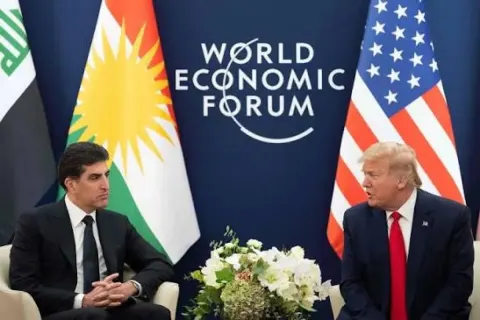
How does the US view the Iraqi Kurdistan Region?
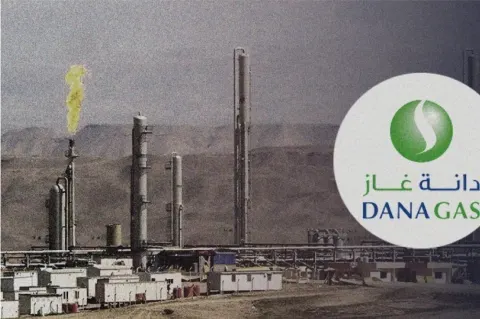
According to KurdPress, Al-Majla magazine in London wrote in an article about US involvement in the Iraqi Kurdish disputes: From Washington’s perspective, the map of the Iraqi Kurdistan Region is clear and understandable; oil and gas fields, pipelines, companies and investments, shared borders with Iran, Turkey, and Syria, and a partner that plays a role in the fight against terrorism.
But the reality on the ground is more complex than this image. Decades of bloodshed and discord with Baghdad, a history of uprisings and internal conflicts, political, class and tribal conflicts, families that pass on power to subsequent generations while at odds with each other, parties that each have their own military forces, security apparatuses and spheres of influence, and finally, a bitter sense of injustice caused by the geographical location and the behavior of neighboring countries.
It is possible to impose an agreement on a wounded society, but imposing reconciliation on such a society is another matter. Positions, ministries and resources can be divided, agreements can be signed, political partnerships can be formed and a government can be formed, but historical memories cannot be erased by the advice of an ally, and distrust cannot be eliminated by shaking hands between leaders. What, to Tom Barrack, seems like a family feud that can be overcome with American advice from the British capital, is, to the inhabitants of the mountains, valleys and tunnels of Kurdistan, an equation for survival.
Washington can look down on the Kurdistan Region and decide when to intervene and when to withdraw. But the Kurds cannot leave behind geography, history or the bitterness of what they see as “American betrayals” across the border for decades.
The Kurds are forced to live with permanent neighbors and differences that political advice cannot resolve. Tom Barrack is an envoy who comes and goes; a temporary ally. But neighbors are permanent, passing power from one generation to the next and never leaving this geography.


User comments