The Kurdistan Region is caught between political differences and security threats
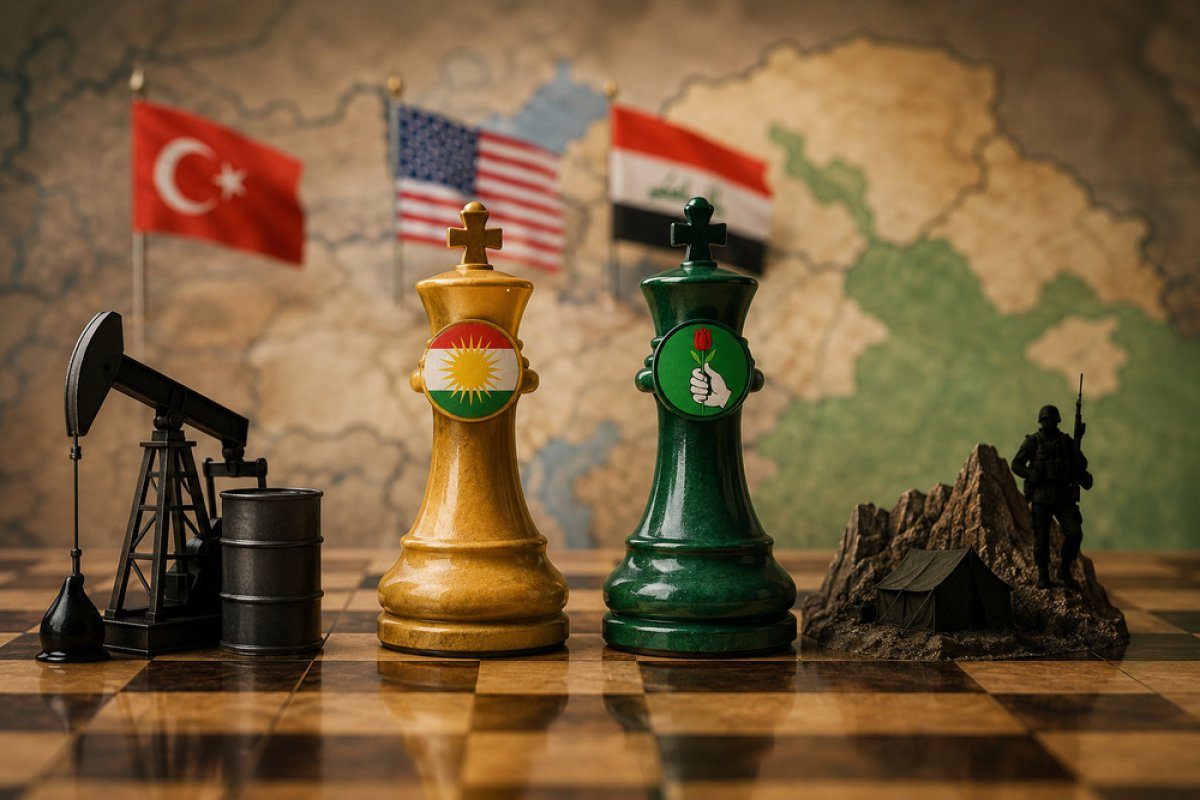
According to KurdPress, the Long War magazine affiliated with the Foundation for Defense of Democracies, in an analysis written by Seth Frantzman, assessed the political differences between the Kurdistan Democratic Party and the Patriotic Union, the continuation of drone attacks, the dispute over the administration of Senjar, and the activity of ISIS remnants in Kirkuk as the most important factors of instability in northern Iraq, and warned that the withdrawal of US-led coalition forces, along with the intensification of internal disputes, will further complicate the security and political equations of the Kurdistan Region. He believes that the continued attacks from outside show that the region’s internal political disputes are not its only security issue, and that regional developments can also directly affect the region’s stability.
Along with external threats, the disputes between the Kurdistan Democratic Party and the Patriotic Union have become one of the most important factors of political instability in the region.
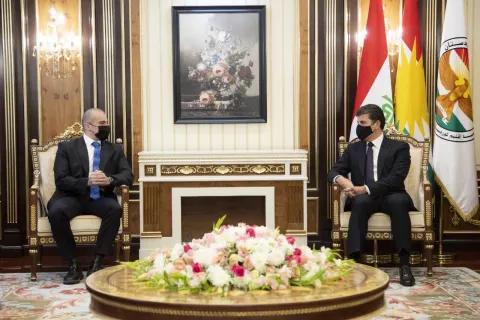
A new dimension to this crisis was the decision of Bafel Talabani, the head of the Patriotic Union of Kurdistan, on November 5 to withdraw his party from the regional government’s cabinet. Following the resumption of the Kurdistan Parliament without the participation of the Patriotic Union, Bafel Talabani considered this action illegal and illegitimate, and announced that his party would no longer recognize the current government. He also described the performance of the Democratic Party-led cabinet as a failure and spoke of the possibility of forming a separate management structure in areas under the influence of the Patriotic Union.
The roots of this crisis go back to unresolved differences after the October 2024 parliamentary elections. The Democratic Party, with 39 seats and the Patriotic Union with 23 seats, remained the two main forces in parliament, but disagreements over the distribution of key government positions and the way parties participate in the power structure prevented the formation of a new cabinet.
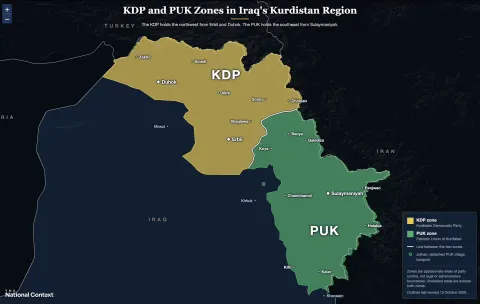
The significance of these differences goes beyond the competition for government posts. The Democratic Party and the Patriotic Union have had separate spheres of political and security influence in the region for decades. Erbil and Dohuk have been the Democratic Party’s main bases, and Sulaymaniyah has been the Patriotic Union’s center of influence. The 2006 power-sharing agreement and the formation of a unified government failed to integrate all of the political, military, and security structures of the two parties into a fully integrated command and control system.
Another topic of interest to Long War Magazine is the withdrawal of US-led coalition forces from Iraq on September 30, 2026. This withdrawal was carried out within the framework of the agreement between Washington and Baghdad and ended the US military presence in the remaining bases in Iraq.
In this context, the phone call between US President Donald Trump and Iraqi Prime Minister Ali al-Zaidi on November 5th and the meeting between US Special Envoy for Syria and Iraq Tom Barrack and the Iraqi Prime Minister in Baghdad are significant. These developments reflect Baghdad's efforts to play a more active role in managing regional security and reducing tensions with neighboring countries.
Overall, the Long War report shows that the security of northern Iraq depends on a combination of internal and external factors, and that the threat of ISIS, external attacks, and Kurdish party disputes cannot be examined in isolation. The rivalry between the Democratic Party and the Patriotic Union, in addition to creating a deadlock in the formation of a new government, could also affect the coordination of security institutions and the region's ability to respond jointly to external threats.
User comments