
Kurdistan Region and Political Self-Destruction / Salahaddin Khadeev
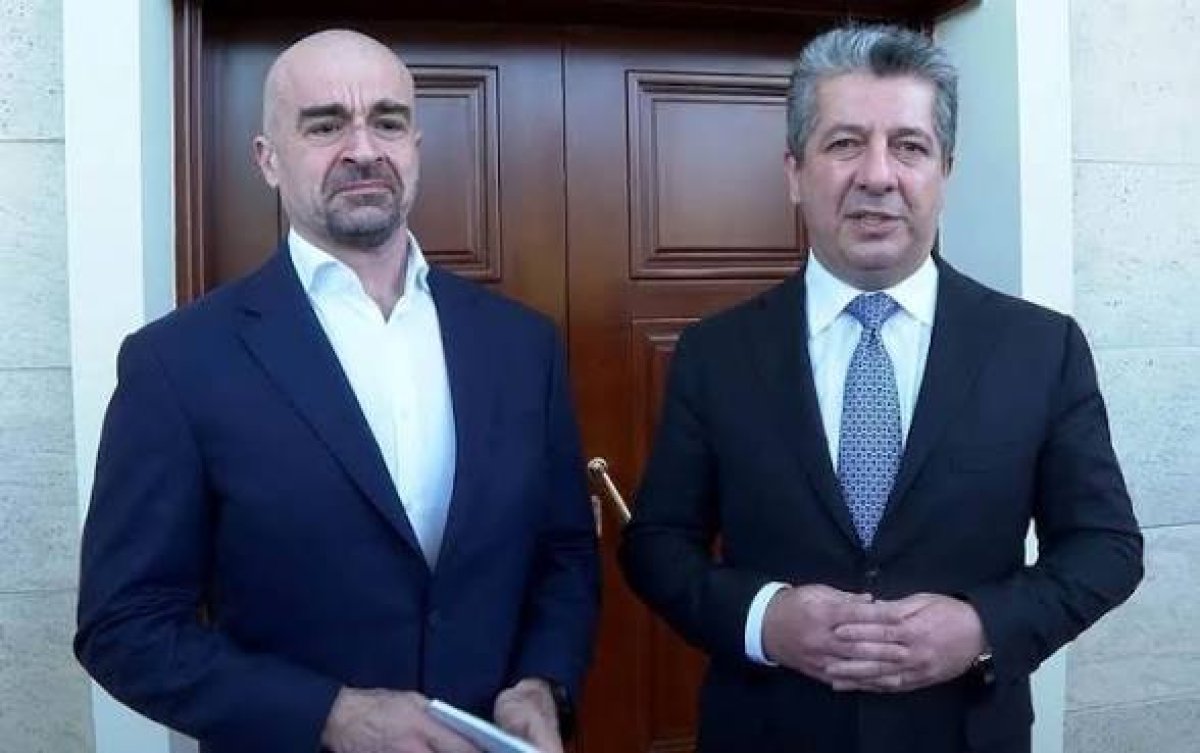
Kurd Press - After the Kurdistan Democratic Party unilaterally reopened the Kurdistan Parliament with a weak majority yesterday after two years, the Patriotic Union reacted strongly tonight.
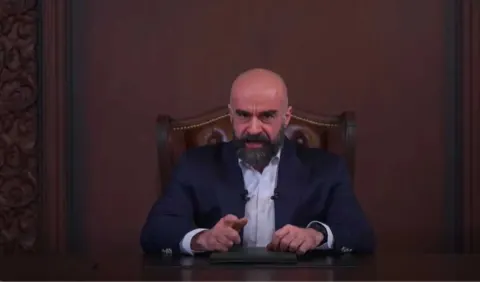
Bafel Talabani, the leader of this party, officially announced his withdrawal from the government and the formation of a parallel government and parliament in a strong speech.
If compensatory measures such as international mediation or early elections are not taken as soon as possible, the Kurdistan Region will effectively enter an era of two governments.
The difference is that during the decade of the region's split between 1994 and 2003, the Saddam regime was in power; a government under siege and sanctions and lacking international legitimacy. This provided a kind of immunity for the Kurds from Baghdad's hegemony.
Now, however, the situation has changed and the Iraqi government enjoys a relatively high degree of political cohesion at home and legitimacy abroad, and is enjoying a kind of economic prosperity and revival. This factor, along with the strong motivation of the regional governments to limit the autonomy of the region and the increasing weakening of the role of Western governments, led by the United States, in the Middle East, places the Kurds in a much more fragile position.
The Kurdistan Region is the result of a combination of about a century of bloody and bitter struggle by the Iraqi Kurds and a rare international opportunity due to a geopolitical transformation. A transformation that, on a historical scale, may be repeated once every hundred years.
The main factor in the current situation is, first and foremost, the excessive familialization of politics in the region and the formation of influential financial-political-familial oligarchies. The entanglement of the interests of these blocs with macro policies and the conflict of interests between the two ruling families play an important role in the political divergence of the region and the existing impasse.
The relative disappearance of the generation of the region’s founding fathers and the alienation of the second generation of the Taliban and Barzani families, who are not as adept at complementary mechanisms of compromise and flexibility as their predecessors, have become a catalyst for aggravating this situation.
As an independent analyst, I have repeatedly and repeatedly pointed out the consequences of the familialization of politics and the fattening of existing oligarchies over the past 20 years. Sadly, public opinion in Iranian Kurdistan, which was largely dominated by party and government propaganda and attached to nationalist sentiments, often welcomed texts that presented a more realistic representation of the region’s situation with questions and dissatisfaction. We must pray and wait for a political miracle to break the current impasse and save the region from further decline and weakening.
User comments