
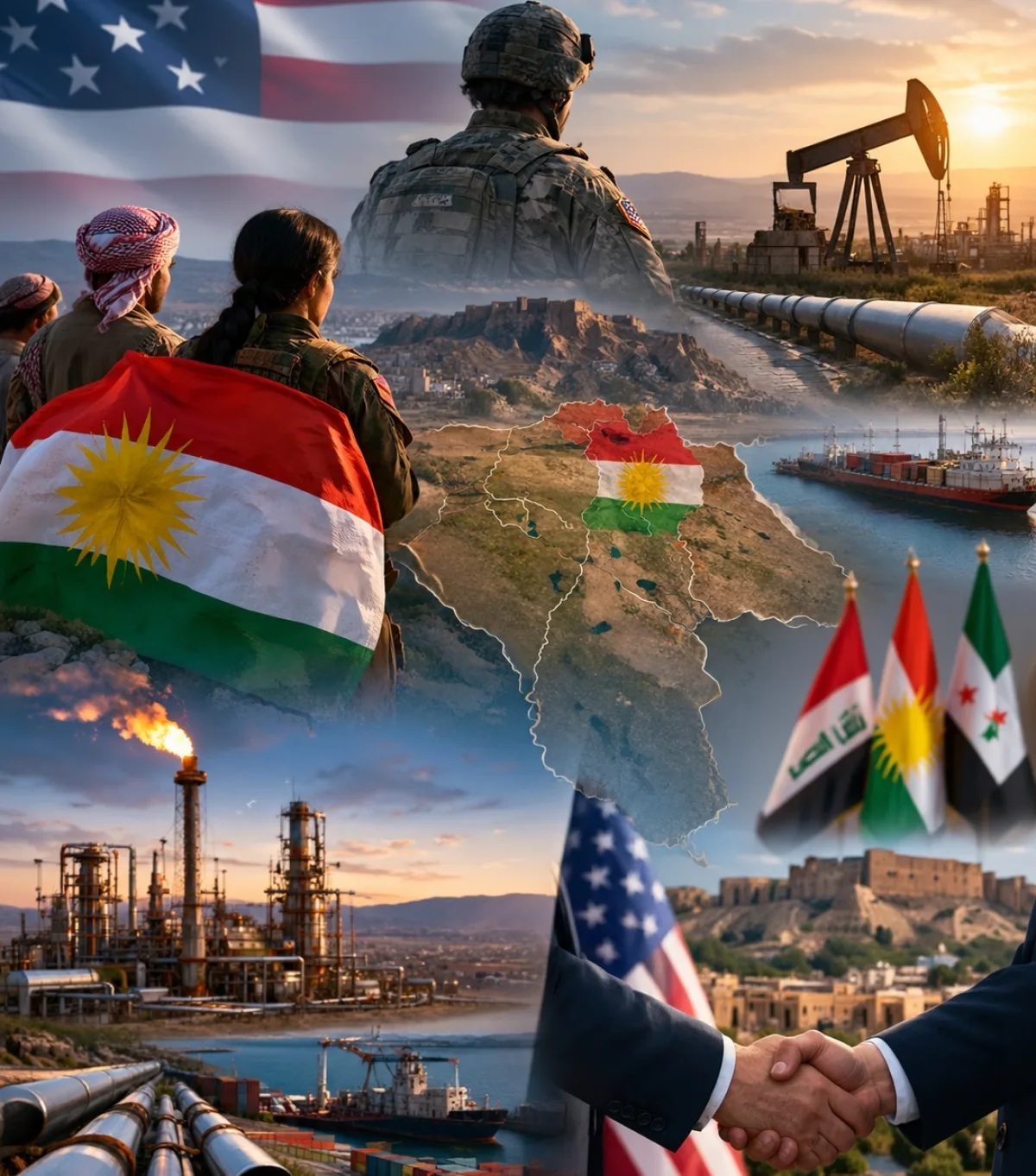
Consequences of Kurds’ Reliance on Foreign Powers
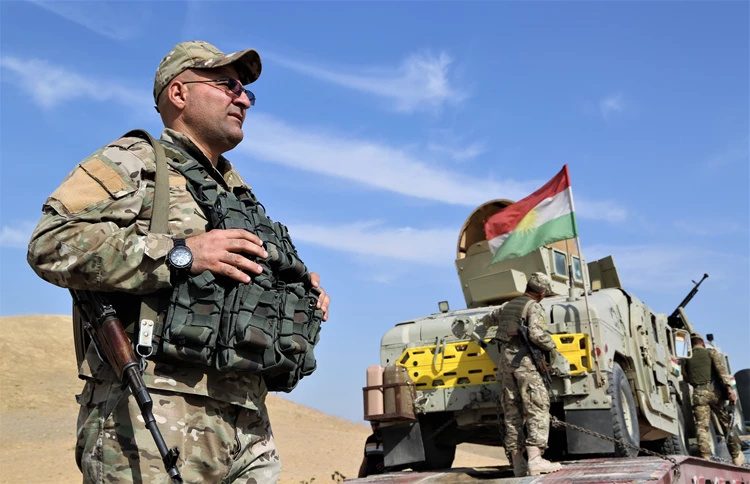
According to KurdPress, Media Line emphasizes in an article titled “Citizenship before drawing separation plans” that ensuring citizenship rights, political participation and fair distribution of power and wealth are the main factors in maintaining the unity of countries in the Middle East. Referring to the concerns of the leaders of the Iraqi Kurdistan Region over the withdrawal of American forces, the author raises the question of why the governments of the region are unable to guarantee the security and rights of all their citizens and why some communities resort to foreign powers to protect their interests.This article, referring to the Kurdistan Region’s status in the Iraqi constitution of 2005, introduces it as one of the most established experiences of self-government among Kurdish communities. At the same time, the author refers to the Kurdistan Region’s independence referendum in September 2017, in which more than 92 percent of the participants voted for independence, but the opposition of Baghdad, neighboring countries, and the lack of support from the United States prevented the realization of independence. From the article’s perspective, the result of this experience shows that popular support alone is not enough to form an independent state and that the regional and international balance of power also plays a decisive role.
Referring to the experience of the Kurds in Syria and Turkey, the author emphasizes the differences in the goals and approaches of Kurdish political movements and believes that the demands of these movements range from cultural rights and decentralization to autonomy and separatism.The article also warns that relying on foreign powers to achieve political goals can expose societies to changing priorities of foreign sponsors, who may withdraw their support as their own interests change.
In another section of the article, the responsibility of central governments to eliminate discrimination, guarantee linguistic and cultural rights, create equal opportunities, and ensure justice in the judicial system is emphasized. The author believes that suppressing identity demands and monopolizing the power structure in the name of national unity can push societies to seek alternative paths, and that sustainable unity is not possible without reforming the governance structure.
Referring to the experience of Switzerland and Canada, the article emphasizes the importance of political and legal institutions for managing identity disputes and the possibility of peacefully raising demands.In contrast, the experience of South Sudan after independence in 2011 and the outbreak of civil war in 2013 has been cited as an example of the inability of political independence to automatically resolve internal disputes.
The article concludes that lasting stability in the Middle East requires the creation of modern, just, and citizen-based states; states in which the rights of individuals are not determined by ethnic, religious, or linguistic identity. An independent judiciary, a peaceful transfer of power, a fair distribution of wealth, and enforceable legal guarantees are among the prerequisites that the author lists for the realization of this model.


User comments