1.6 million refugees have returned to the country; Syrian consulate to open soon in Erbil
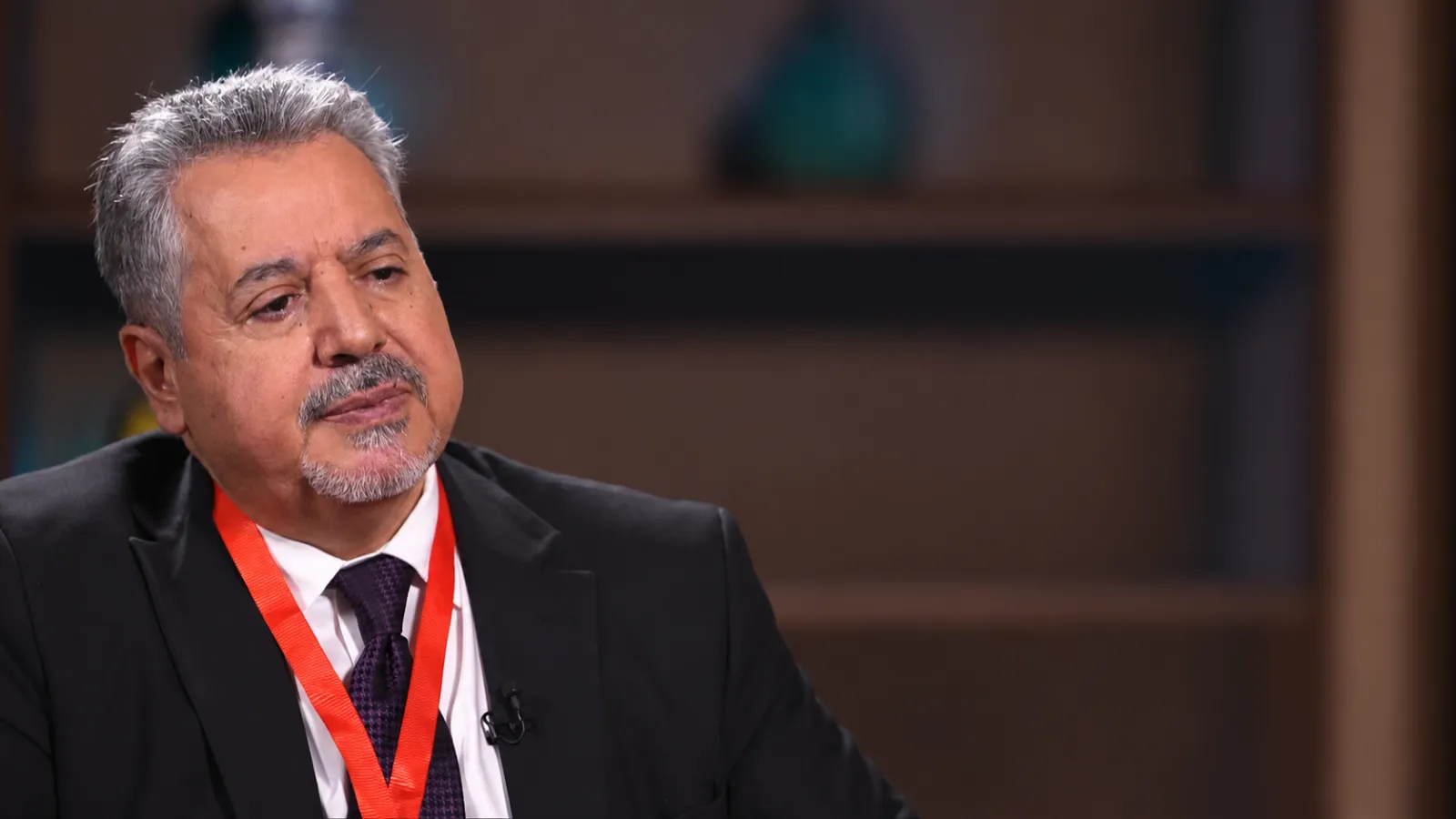
According to Kurdistan24, "Najib Ghadhban", Advisor to the Ministry of Foreign Affairs of the Syrian Interim Government, in an exclusive interview with Kurdistan24 Network, explaining the latest political and security developments in Syria, announced that the country's government, along with the process of reconstruction and the formation of government institutions, is seeking to expand foreign relations, return refugees and resolve issues related to ethnic rights.
Referring to the current situation in Syria, Ghadhban said that the country has entered a reconstruction and state-building phase and that progress has been made in the security sector, the establishment of military and security institutions and the process of integrating the Syrian Democratic Forces (SDF) into these institutions. He also pointed to the improvement of Syria's relations with regional countries and the international community, and considered the visit of Nechirvan Barzani, President of the Kurdistan Region, to Damascus a turning point in relations between the two sides.He stressed that the development of security, economic and joint investment cooperation between Syria and the Kurdistan Region could pave the way for the expansion of bilateral relations. However, Ghadhban considered the biggest challenge facing the Syrian government to be the country’s economic situation, saying that after 14 years of war, Syria is facing a devastated economy, widespread poverty and a large population of internal and external refugees.
Integration of the SDF and recognition of Kurdish rights
The Syrian Foreign Ministry’s advisor on the process of integrating the SDF into government institutions stated that this process is assessed positively by both sides and that, along with the implementation of the agreements, a presidential decree has been issued to recognize the Kurdish nation, its rights and grant citizenship to Kurds deprived of it.
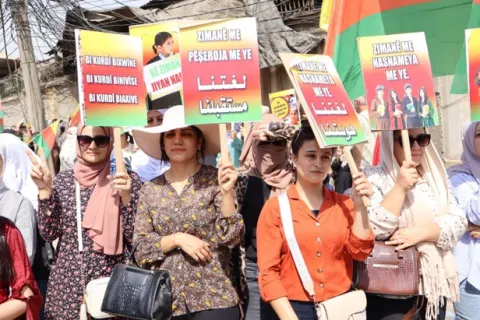
Ghadhban described the decree as a historic step, but said that its full implementation will require time and cooperation from both sides.According to him, teaching the Kurdish language in Kurdish-majority areas and integrating them into some civil institutions, including in Hasakah and Kobani, as well as throughout Syria, are issues that should be pursued in the next stages.
He added that the Syrian government is simultaneously seeking to restore its sovereignty over the entire country, establish state institutions, stabilize security, and rebuild the economy, and none of these files can be advanced at the cost of ignoring other files.
Referring to statistics before the political changes in Syria, Ghadhban said that at that time, about 90 percent of the country's people were below the poverty line, and half of the Syrian population was displaced within the country or seeking asylum outside it. He emphasized that economic reconstruction and providing job opportunities are the main prerequisites for reducing poverty and returning refugees.
Return 1.6 Million Syrian Refugees
Ghadban announced that, with the approval of the United Nations High Commissioner for Refugees, about 1.6 million Syrian refugees and asylum seekers have returned to the country. He considered this statistic an important achievement and said that the Syrian government is pursuing the voluntary, safe and dignified return of refugees.
Regarding the return of Syrians living in the Kurdistan Region and Iraq, he also said that this issue is within the framework of the government's overall policy to return refugees from neighboring countries and other parts of the world, but its realization requires the provision of appropriate conditions in the areas of origin.
Opening of the Syrian Consulate in Erbil
Ghadban announced regarding the opening of the Syrian Consulate in Erbil that this issue is one of the priorities of the Damascus government and initial agreements have been made for it. He said that only some details remain for the consulate to start operating and that this center can provide the consular services needed by Syrians living in the Kurdistan Region.
He added that the presence of a significant number of Syrian citizens in the Kurdistan Region and the need to facilitate their affairs, as well as providing the basis for the activities of businessmen and the movement of citizens between Syria and the region, are among the reasons for the importance of opening this consulate.
The advisor to the Syrian Foreign Ministry also said regarding the development of border crossings that the Damascus government has prioritized this issue to facilitate trade exchanges and the movement of citizens.According to him, Syria is trying to expand its border and economic cooperation with neighboring countries, including Iraq, and use its geographical location to strengthen regional cooperation.
User comments