
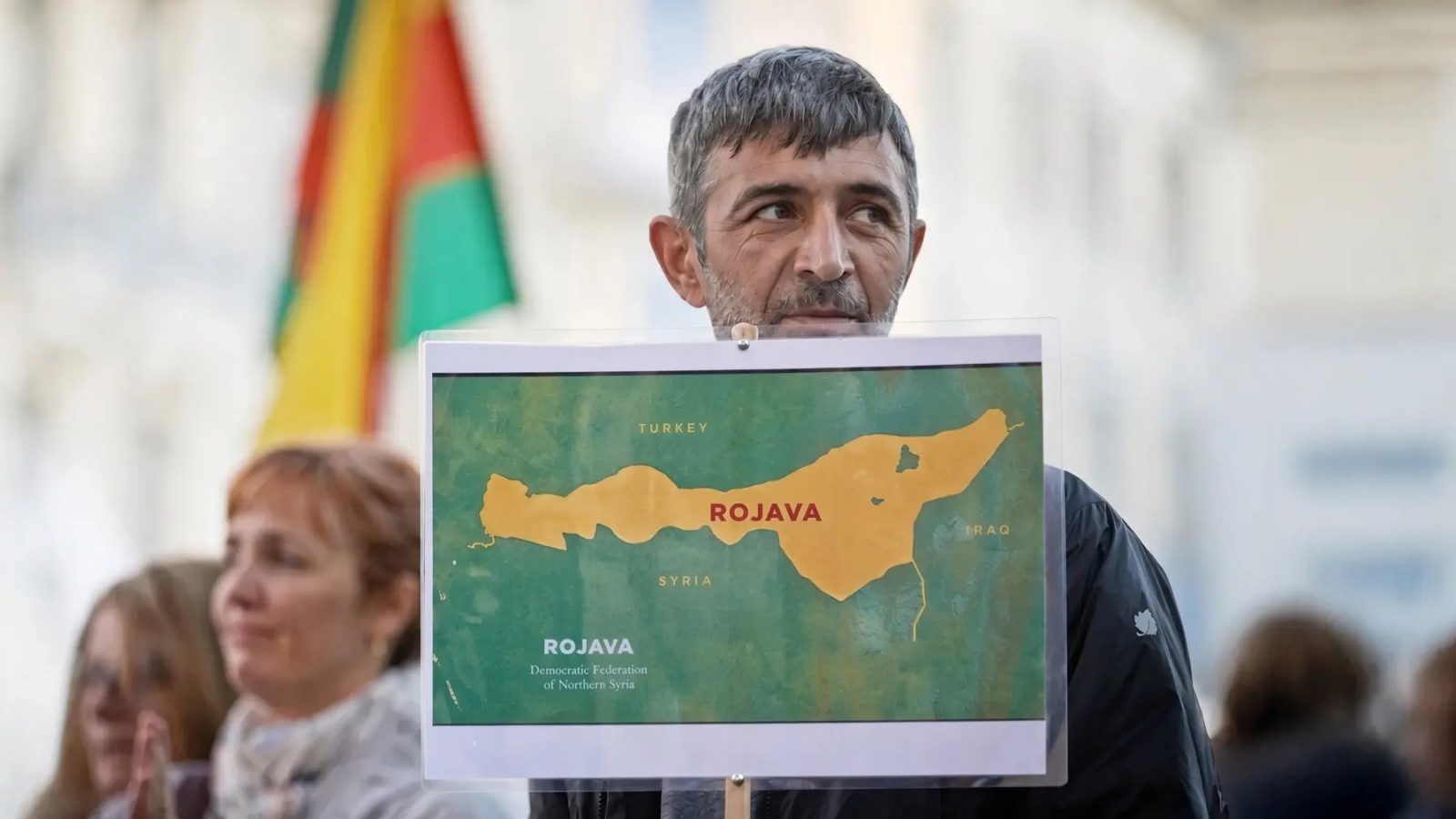
A new look at the future of the Syrian Kurds; from military debate to political rights
According to KurdPress, a new study by the Center for Field Studies (SAMER) on the views expressed about the future of Syrian Kurdistan shows that the participation of the Kurds in the structure of the interim Syrian government is no longer evaluated solely based on the military status of the SDF, and issues such as ensuring constitutional rights, security, political representation, and cultural rights have also become the focus of discussions.This study, which examined 175 social media posts using content analysis, shows that, alongside the hope for stability, there is still concern and doubt about the guarantee of Kurdish rights in society.
Based on this study, the posts under study were analyzed not only in terms of their content, but also in terms of the political meanings and emotions reflected in them.
According to SAMER's findings, discussions that were initially followed with a positive approach in some areas underwent a significant change after the killing of Sami Sheikh Mous Hasso, known as Sipan Hazni. After this event, issues such as security concerns were given more attention than before in comments related to the integration process.
In this study, three main approaches to the integration process have been identified. The first approach is positive and emphasizes the end of the war, political stability, and the participation of the Kurds in building a new Syria.The second approach is conditional, calling for legal guarantees in the areas of language, culture, political representation and security. The third approach is critical, warning of the loss of gains, the strengthening of centralism and the risk of cultural assimilation.
SAMER emphasizes that there are no clear boundaries between these approaches, and that the hope for an end to the war coexists with concerns about the loss of Kurdish rights in society. For this reason, this situation is described in this study as “conditional hope”.
According to the report, in the initial stages, the main focus of the discussions was on maintaining the SDF and military integration, but in the first half of September, the agenda changed and issues such as Kurdish language education, political rights and security took center stage. As a result, the main question has also changed from “Will integration take place?” to “What kind of structure will this integration create?”Kurdish language education has been identified as one of the most important social indicators for assessing the outcomes of integration. According to the research findings, for social media users, the issue is not limited to the official recognition of the Kurdish language, but also the use of this language in schools is of great importance. The Kurdish language is raised in these discussions as part of identity, cultural memory and the continuity of generations.
In another part of the research, the impact of security developments on increasing doubts is noted. The killing of Sami Sheikhmus Hasso (Seipan Hazni) and the Kobani prison incident have raised questions about the government's ability to provide security and protection for the Kurds. SAMER emphasizes that these cases are not presented as definitive facts, but rather as perceptions and interpretations of users about the responsibility and factors behind these incidents.Meanwhile, the memory of the fight against ISIS and the costs paid in Kobani have also become one of the criteria for measuring the legitimacy of the new structure. According to this research, when today's political results do not match the costs paid in the past, a sense of disappointment and loss of achievements increases in society.
Different approaches have also been observed among users regarding Damascus. Some consider Damascus an actor that can end the war, while others assess it as a threat to weaken local institutions. Assessments of Mazloum Abdi and Ilham Ahmed also differ; some consider them architects of a political solution, while others have commented on their performance in a critical tone.SAMER also says that initial hopes and expectations, coupled with concerns about rights and security incidents, have led to increased anger and distrust. However, according to the study, this anger does not necessarily mean a rejection of the integration process, but can rather express a demand for a more balanced, secure and rights-based integration.
The study concludes that the end of the independent military structure of the SDF does not mean the end of Kurdish demands, but only changes the form of these demands and the axes of the debate. In this way, the discussion about the military status has given way to discussions about the legal and constitutional status, political representation and cultural rights of the Kurds.

User comments