
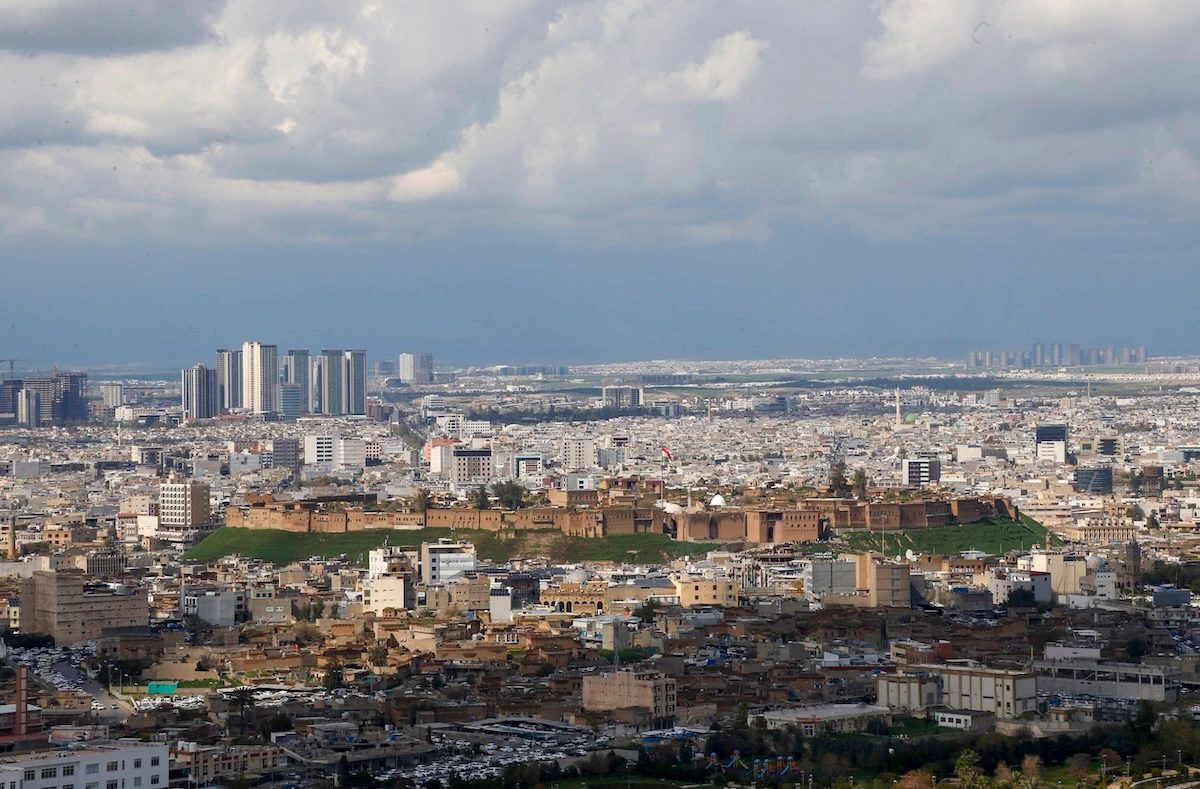
Iraqi Kurds react to US withdrawal from Kurdistan Region
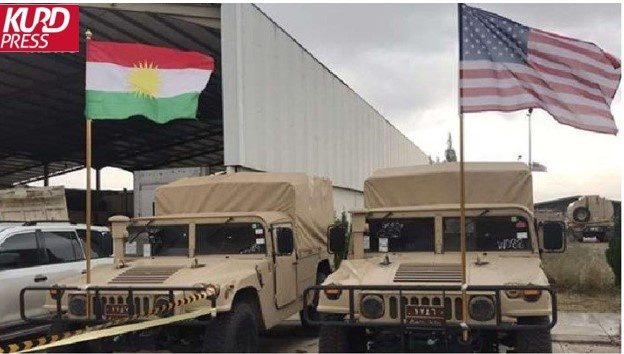
According to Kurdpress, according to the agreement signed by Baghdad and Washington in 2024 for the gradual end of the international coalition mission against ISIS in Iraq, after withdrawing from their other bases, the coalition forces are now only present at Erbil airport and are scheduled to completely leave Iraq by September 30.Kurdish citizens in Erbil told Arab News that one of their main concerns is who will be able to counter the drones and missiles that have repeatedly targeted the Kurdistan Region after the withdrawal of US and coalition forces in recent years.
Sherzad Farhadi, a 47-year-old electronics seller in Erbil’s old market, described the coalition’s withdrawal as “very dangerous,” saying, “We ourselves cannot intercept the missiles coming from Iran.”
Coalition forces have shot down a number of drones and missiles carrying explosives over the Kurdistan Region in recent years. Some of these attacks have targeted coalition bases, while others have hit areas including the region’s oil facilities.Iraqi Kurdish officials have in many cases blamed armed groups for the attacks.
As regional conflicts have intensified, attacks by armed groups inside Iraq have also increased, and in addition to American forces, areas in Erbil have also been targeted by drone strikes.
Hashim Saeed, a 62-year-old rosary seller in Erbil, referring to the role of American forces in countering these attacks, said: “If America is not here, who will intercept them?” He added that the weapons available in the region are not enough to counter such attacks.
The international coalition forces entered the region in 2014, following the seizure of large areas of Iraq and Syria by ISIS. ISIS was defeated in Iraq in 2017 and in Syria in 2019, but coalition forces remained in the region to confront the remnants of the group.Coalition forces have already begun their withdrawal from Syria.
Farhadi also warned that the withdrawal of coalition forces could pave the way for the return of ISIS and renewed instability in the region.
However, not all Iraqis see the US withdrawal the same way. Zirwan Saeed, a 41-year-old electronics salesman in Erbil, believes that the coalition's withdrawal could eliminate the pretext for armed groups to attack the region, and considers this a "positive consequence" of the withdrawal of foreign forces.
In Baghdad, there is also a different view of this development. Abdullah al-Kinani, a Baghdad resident, referring to the end of the presence of foreign forces, said that full Iraqi sovereignty will not be achieved until all foreign forces leave Iraqi soil.Iraqi government officials also see the withdrawal of coalition forces as a step towards strengthening the country's sovereignty and have designated October 1, the day after the full withdrawal of coalition forces, as "Sovereignty Day."
Overall, the reactions in Erbil show that for a part of the Iraqi Kurdish community, the US withdrawal is linked to a specific security question, rather than simply a development related to Iraqi sovereignty: after the withdrawal of American forces, what mechanism will protect the region from drone and missile attacks, as well as the possible threat of ISIS?
User comments