
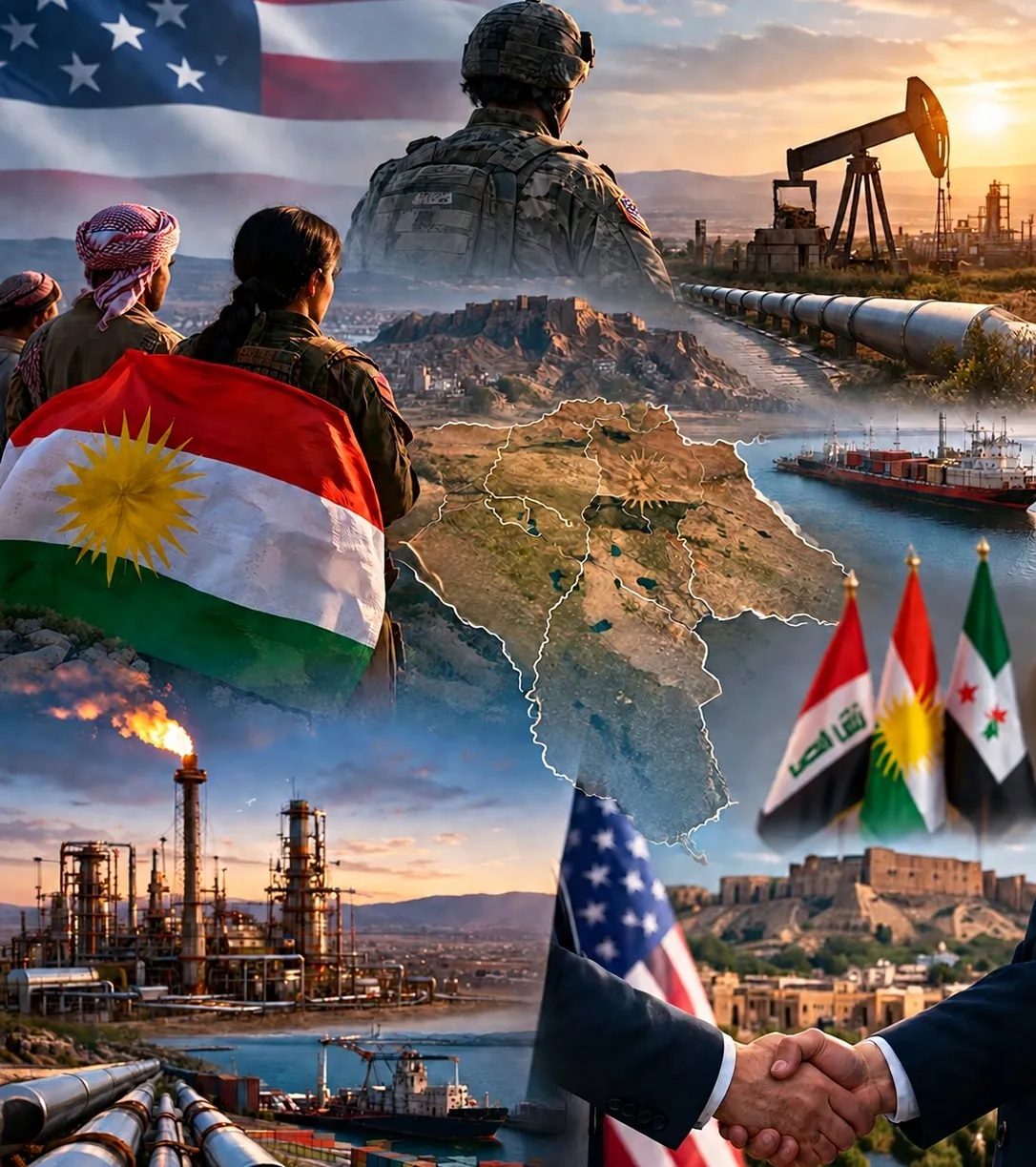
The Kurds' Place in America's New Strategy
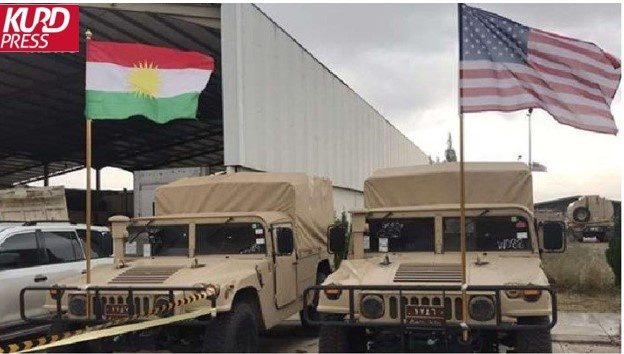
According to KurdPress, with the expiration of the September 30, 2026 deadline for the US military agreement with the Iraqi Kurds, as well as the US withdrawal from Syria and the integration of forces under the command of the Syrian Kurds into the country's army, Washington's relationship with the Iraqi and Syrian Kurds will enter a new phase. After that, the US will reduce its direct military presence, but it seeks to maintain influence through energy, trade, infrastructure, and cooperation with regional governments.According to an analysis published in the Cambridge, England-based journal Manara, the expiration of the Pentagon’s military cooperation agreement with the Kurdistan Region and the withdrawal of the remaining coalition forces from Iraq is more a sign of a change in the basis of the relationship than a severance of US ties with the Kurds.
In Iraq, the end of the US-Kurdish military agreement leaves Washington’s security cooperation with the Peshmerga in limbo. Meanwhile, the US is trying to maintain its role more through economic and energy networks. This approach is particularly important for the Kurdistan Democratic Party, because control of the Ibrahim Khalil crossing and a key part of the infrastructure of the oil pipeline to Ceyhan still gives the party significant leverage in its dealings with Washington. The US has also been working to resume the region’s oil exports to global markets.The Patriotic Union of Kurdistan has not been left out of this change in approach. The development of the Kormor gas field and its role in reducing Iraq’s dependence on foreign gas have increased the party’s strategic importance to the United States. From this perspective, energy resources and geographical location are gradually becoming more important elements of the Kurds’ bargaining power against Washington.
In contrast, the position of forces whose most important asset was military power is changing. After the January 2026 clashes and the changing political conditions in Syria, the Syrian Democratic Forces lost most of their previous position and were integrated into the Syrian army. According to this analysis, the dissolution of the Syrian Democratic Forces and the reduction of US military support for the Peshmerga show that the military value of Kurdish manpower is no longer the same as it was in the past, given the reduction in direct US presence.In Syria, the appointment of Mazloum Abdi, the commander-in-chief of the Syrian Kurdish forces, as an advisor to the Syrian president, has created a channel of communication for the Kurds and the United States in the new political structure of Damascus, but the future of Kurdish rights still depends on the consolidation of legal and institutional guarantees. Rights such as Kurdish language education, granting citizenship to stateless Kurds, and the recognition of some cultural rights are currently based mostly on presidential decrees and have not yet found their final place in the constitution.
The issue of the Women’s Defense Units is also a major test of this relationship. Kurdish negotiators want to maintain the force as a coherent unit within the Syrian Ministry of Defense, but Damascus has rejected such an arrangement and has raised the option of recruiting individual forces under the Ministry of Interior.This is particularly important from the report’s perspective, as it shows that forces whose main capital is political, social, and symbolic have less economic leverage in the new regional order than actors who control energy resources, infrastructure, or trade routes.
Overall, Manara magazine believes that the United States is replacing some of its direct military presence with economic influence and reliance on regional partners. In this model, Turkey would assume greater responsibility for Syria’s security, Baghdad would have to exert greater control over armed groups, and Damascus would have greater security responsibility in Syria. In contrast, Washington would try to remain present in the regional equation through energy, trade, and communication routes.However, this model faces a fundamental contradiction: economic and energy infrastructure has become increasingly important for maintaining American influence, but the same infrastructure is vulnerable without a stable security environment. The US-Iran war and the disruption of trade and energy production in the Kurdistan Region, including the temporary halt of the Khor Mur field and the shutdown of HKN Energy operations, have highlighted this vulnerability.
For the Kurds, therefore, September 30 does not necessarily mean the end of the relationship with the US; rather, it marks the beginning of a phase in which the shape of that relationship will change. Washington’s influence will likely be based less on military presence and more on energy, trade, infrastructure, and relations with regional governments.For the Kurds, their importance in American politics will depend more than ever on their position in these economic and communication networks and their ability to consolidate their political and institutional rights in the new structures of Iraq and Syria.
User comments