
Regional Consequences of the Dissolution of the Syrian Democratic Forces
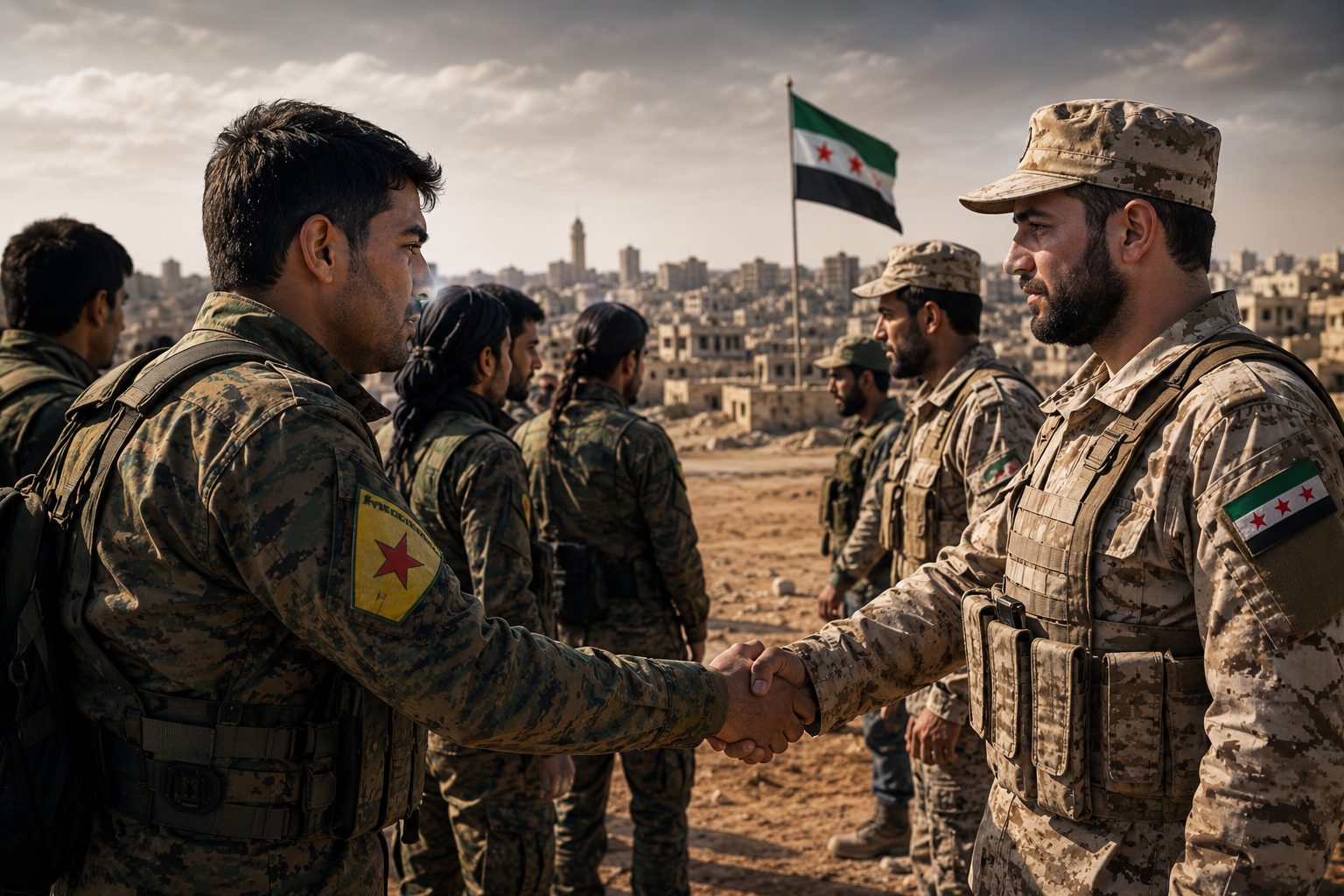
According to KurdPress, according to a report by Radio France on August 31, 2026, the dissolution of the Syrian Democratic Forces and the integration of its forces into the Syrian army is a turning point in the situation of the Syrian Kurds and the relations between Damascus, Ankara and the Kurdish groups in the region. This development effectively ends more than a decade of military and administrative rule under the leadership of the Kurds in northern and northeastern Syria and, in turn, strengthens the position of the central government and Turkey.SDF commander Mazloum Abdi (Kobani) announced on August 25 that the force would be disbanded and its members would be integrated into the Syrian army. At its peak, the SDF had about 100,000 troops and controlled nearly a fifth of Syria’s territory, including important oil and agricultural areas. Its dissolution is therefore not simply the end of a military organization, but the end of a structure that has been the basis of Kurdish political power in Syria for more than a decade.
Fabrice Balanche, a Syria expert at the University of Lyon, has described the development as “the end of Kurdish autonomy.” According to him, after more than a decade of political and administrative freedom, Syrian Kurds will once again be under the control of Damascus.
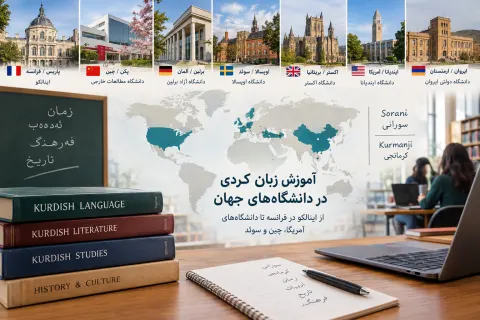
However, the end of the autonomy structure does not mean the end of all Kurdish gains.One of the most important issues raised in the agreement with Damascus is Kurdish linguistic and cultural rights.
In January 2026, Syrian President Ahmed al-Shara issued a decree recognizing Kurdish as a national language and allowing its teaching in areas with significant Kurdish populations. Citizenship was also restored to a large number of Kurds who had been stateless following the 1962 census, and Nowruz was recognized as an official Syrian national holiday.
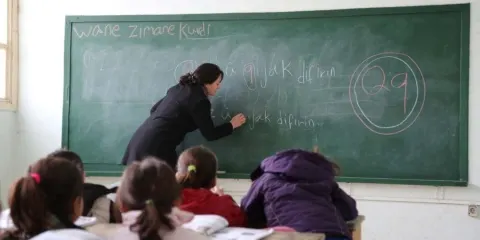
On August 27, the Syrian Ministry of Education approved regulations that would provide three hours of Kurdish language instruction per week in public and private schools in Kurdish-populated areas, with grades in this subject being counted in students’ final exams.
Despite these measures, one of the main concerns of Kurds is the lack of constitutional guarantees.Balanç warned that when language rights are based solely on presidential decree, they can be changed or revoked in the future and are not backed by a constitutional principle.
Another ambiguities in the new phase are the issue of women’s rights. The political and administrative structure under Kurdish leadership was based on a system of co-presidency between men and women, with women present at various levels of management. The end of this structure could affect the political and social status of women.
The fate of the female members of the Syrian Democratic Forces in particular is unclear. The Syrian army currently lacks female personnel, and it is not yet clear how these women will be integrated into the new military structure. There are also concerns about the continuation of regulations that were implemented in Kurdish-controlled areas to restrict polygamy.
Regionally, the dissolution of the Syrian Democratic Forces is an important development for Turkey.Ankara has for years called for the dissolution of the SDF and the transfer of control of Syria's Kurdish areas to the central government, and considers the SDF to be part of a structure linked to the PKK, a charge that Syrian Kurdish leaders have consistently denied.
Turkey has conducted several military operations in northern Syria since 2016 and still has thousands of troops stationed in the country. Ankara has said its forces will remain in Syria until security threats against Turkey are eliminated.
From this perspective, the dissolution of the SDF has fulfilled one of Turkey's most important security demands. The Justice and Development Party (AKP) also saw this development as a step towards strengthening Syrian unity.
The significance of this development for Turkey goes beyond Syria's borders. The dissolution of the SDF could help reduce one of the obstacles to the peace process between Ankara and the PKK. This process will focus on the disarmament and dissolution of the PKK.The PKK and the decades-long armed conflict between the group and the Turkish government are focused on ending.
Abdullah Ocalan called for the dissolution and disarmament of the PKK in February 2025, and the group announced three months later that it would follow suit. In August 2026, the Turkish parliament approved the legal framework for the PKK’s dissolution process; although Kurdish political movements insist that broader democratic and legal reforms are also necessary to consolidate peace.
However, from Ankara’s perspective, the end of the dissolution process should not be limited to Turkey. Turkish officials have repeatedly stated that the PKK and its affiliated structures should not remain in any country in the region. For this reason, the dissolution of the Syrian Democratic Forces is seen by Turkey as part of a broader process to end the presence of PKK-affiliated structures in the region.As a result, the dissolution of the SDF has created a complex and two-sided deal for the country’s Kurds. On the one hand, they have secured some important linguistic, cultural, and civic gains in the agreement with Damascus, but on the other hand, they have lost the most important instrument of power and guarantor of implementing these gains, namely an independent military and administrative structure.
For Turkey, the equation is almost the opposite. Reducing the military power of the Syrian Kurds, integrating them into the Syrian state structure, and weakening cross-border military ties would reduce Ankara’s security concerns and could create a more conducive environment for advancing the peace process with the PKK.
Ultimately, the main question after the dissolution of the SDF will be whether Damascus can guarantee the rights promised to the Kurds in a sustainable and institutional way.The future of Kurdish rights in Syria and the success of the Turkish peace process are two major tests of the new order that is taking shape in northeastern Syria after the end of Kurdish military and administrative autonomy.

User comments