
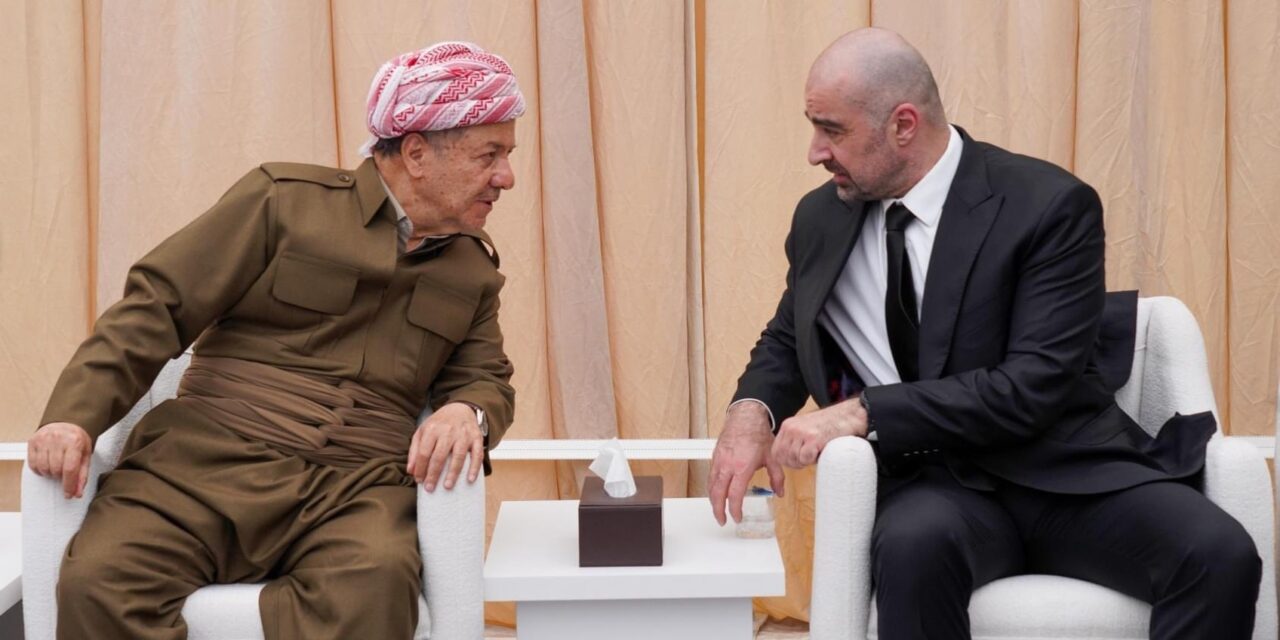
Kurdistan between idealism and political reality
According to KurdPress, Bamo Nouri, a professor at the University of West London, in a note titled “The Kurdistan We Want vs. the Kurdistan We Have,” emphasizing the current situation in the Iraqi Kurdistan Region, emphasizes the need for a realistic and critical view of the political situation of the Kurds. He believes that the painful history of the Kurds and the experience of genocide, displacement and repression have made the Kurdish community’s sensitivity to internal criticism understandable, but this sensitivity should not turn into immunity for governments and parties from criticism.Nouri believes that defending the Kurdish cause is not the same as defending the performance of all Kurdish parties and governments, and that strengthening Kurdish achievements requires accepting weaknesses, criticizing inefficiencies, and realistic recognition of domestic and geopolitical limitations.
The author believes that the painful history of the Kurds and the experience of genocide, displacement, repression, and distrust of regional and international powers have created a great sensitivity to political criticism in Kurdish society. In his view, this sensitivity is understandable, but it should not lead to criticism of governments, parties, and political strategies being equated with hostility towards Kurdistan and the Kurdish national aspirations.The author believes that the Kurdistan Regional Government is one of the most important historical Kurdish achievements, but this achievement is currently facing serious problems such as a rights crisis, weak institutions, economic dependence, intra-Kurdish competition, differences with Baghdad, and democratic weaknesses. The responsibility for this situation does not lie solely with Baghdad and foreign powers, and Kurdish leaders must also accept responsibility for their decisions and mistakes.
The author warns that nationalism should not become a shield to hide problems. In his opinion, criticizing corruption or inefficiency, questioning the performance of parties, and examining the success or failure of economic and political policies is not an anti-Kurdish act; rather, it can be a sign of defending the future of Kurdistan.
He also highlights the role of social media in exacerbating the bipolar atmosphere.According to the author, politics in cyberspace has increasingly become a display of identity, slogans, anger, and the division of individuals into “heroes” and “traitors,” while the real issues of Kurdistan require efficient institutions, a diversified economy, accountable government, and the resolution of political differences.
From the author’s perspective, realism does not mean abandoning Kurdish ideals. Kurds must recognize geopolitical limitations, the interests of regional and international powers, and the balance of power while preserving their own desires. Relying on foreign support without considering the independent interests of governments can lead to unrealistic expectations and then a sense of defeat and betrayal.
Ultimately, the author calls for the formation of a self-confident political culture among Kurds; a culture that is not afraid of criticism and differentiates between the people, Kurdistan, governments, and parties.In his view, to strengthen their ideals, Kurds must have the courage to not only hear what they like, but also see the existing realities, examine the reasons for reaching the current situation, and decide on the future based on political and geopolitical realities.
User comments