
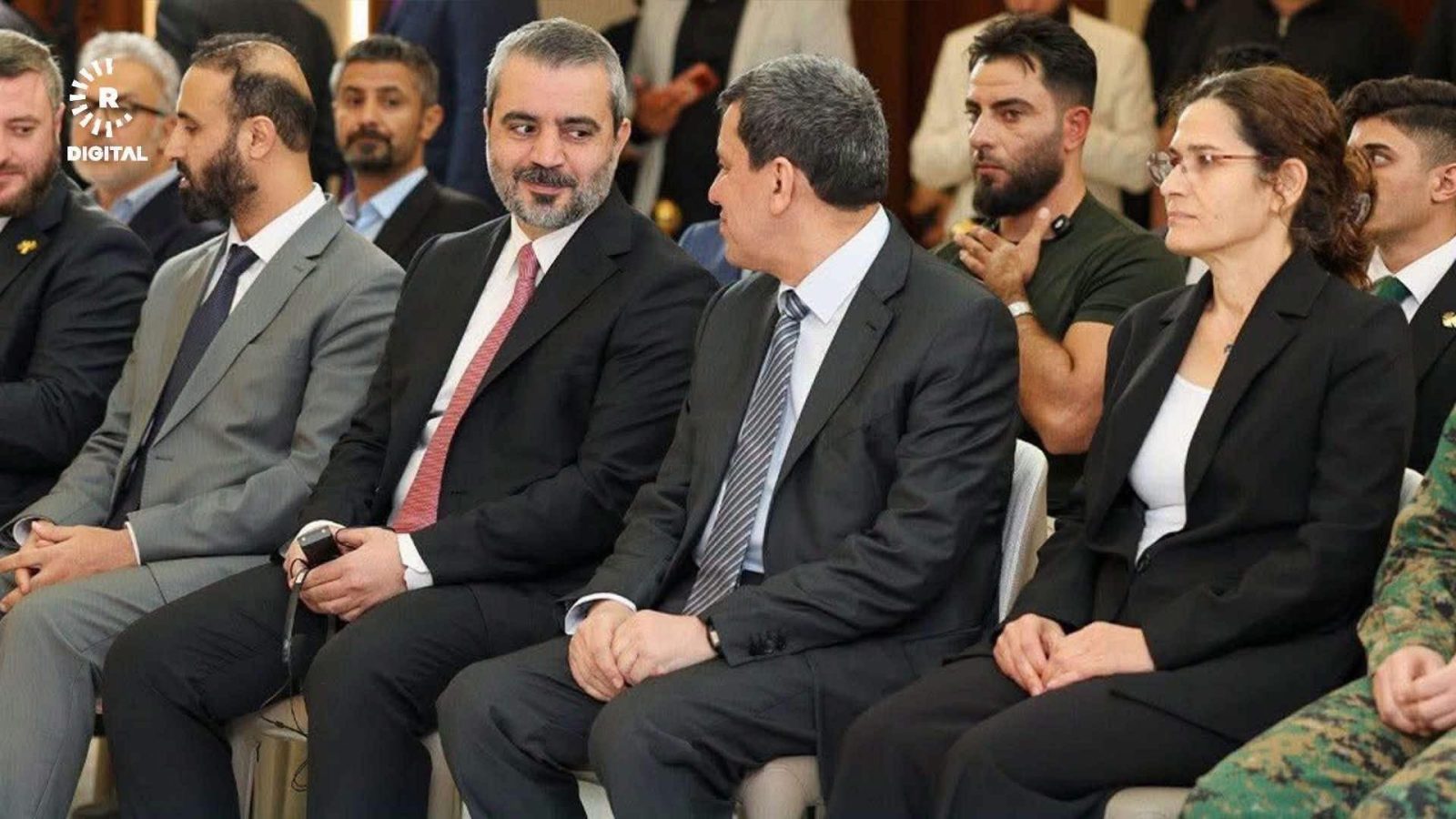
Syrian Kurds’ uncertain future after integration with Damascus government
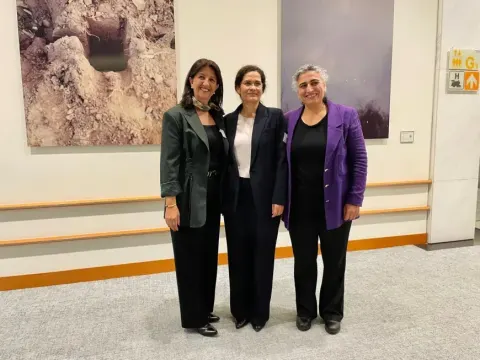
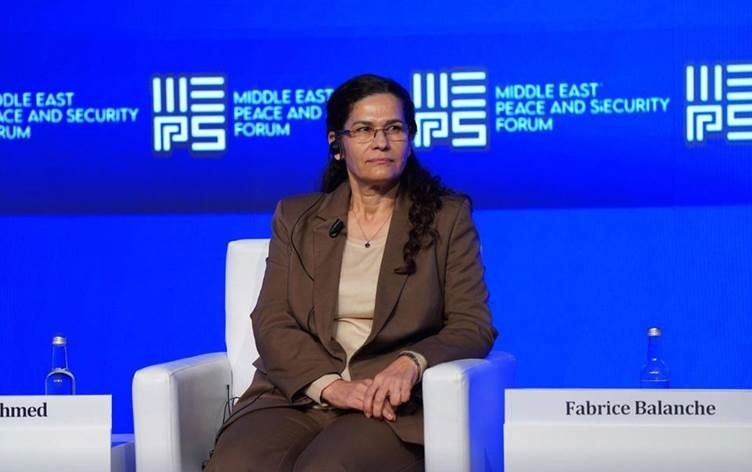
A Kurdish civil activist in northeastern Syria says the dissolution of the Syrian Democratic Forces and the integration of the military and civilian institutions of this region into the government structure of Damascus have left the future of Kurds with uncertainty and concern. According to him, Kurdish rights, security, education in the Kurdish language, the return of refugees and the status of women are among the most important issues for which there is still no clear answer.According to the Kurdistan Press, citing Radio France Internationale (RFI), Elwa Ali, founder of the Ahimsa for Nonviolence Center in northeastern Syria, said in an interview about recent developments in the region that the Kurds' reaction to the dissolution of the Syrian Democratic Forces is not uniform. Some see this development as a step towards ending the war and establishing peace, but many others look to the future with concern due to the lack of clear information about its consequences.
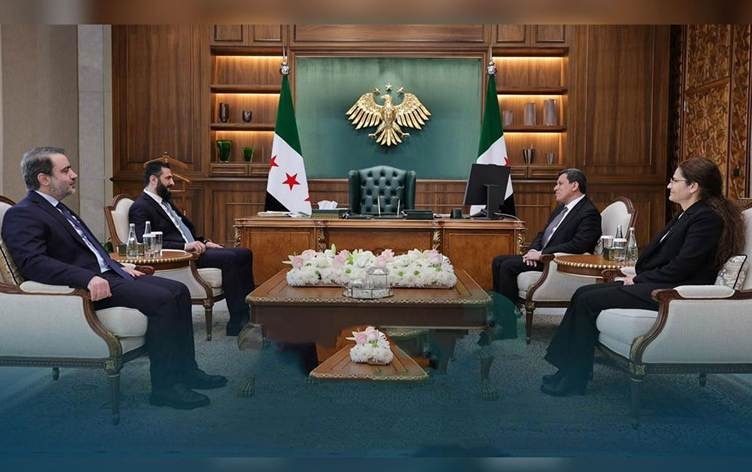
Elwa Ali stated that important political decisions in Syria are made without the direct participation of the people and that the Kurds have been excluded from this process more than others. According to him, the Kurdish leaders who negotiate with the Syrian government do not necessarily represent all Kurds.While welcoming the replacement of war with dialogue, the activist stressed that Kurdish rights cannot be based solely on political promises and must be guaranteed in the Syrian constitution. “We all know that words and promises are not enough,” he said. “We learned this from the Bashar al-Assad regime.”
Alwa Ali also said that the process of integrating the Kurds into the government structure has so far remained largely at the political level and has not had a positive impact on people’s daily lives. According to him, the economic situation in northeastern Syria has worsened since the integration of the North and East Syrian Autonomous Administration into the government structure, and attacks against the Kurds continue.
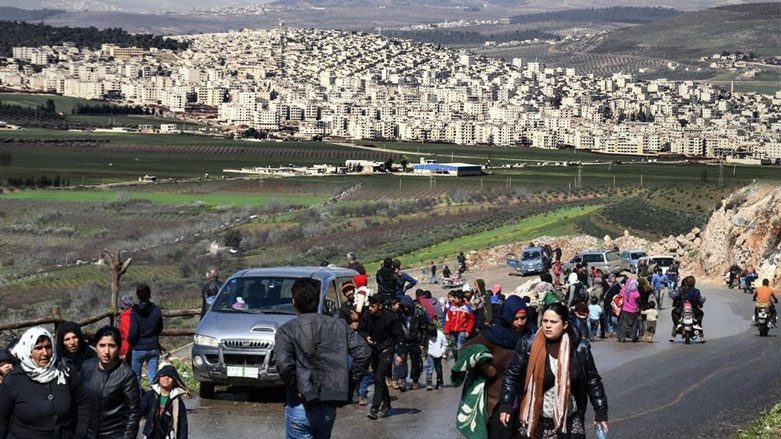
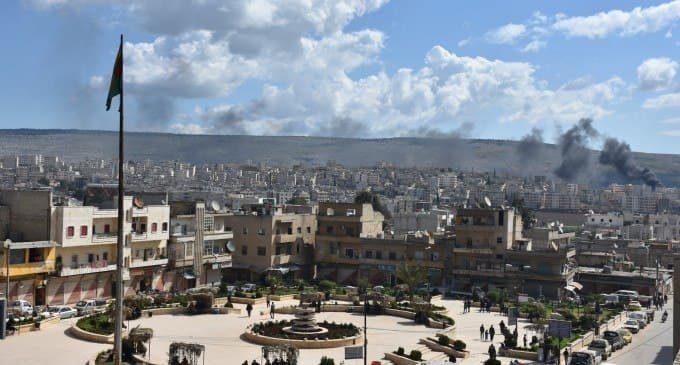
He also referred to the situation of the displaced, saying that some families who tried to return to their homes in the city of Srei Kani were attacked by armed groups affiliated with the new authorities and eventually gave up on returning.According to her, the real return of the displaced is only possible when their property is returned, the damage to destroyed houses is compensated, those who have seized other people's property are held accountable, and security guarantees are provided for the returnees.
The situation of women is another concern raised by the civil society activist. Alwa Ali said that women enjoyed greater political and social roles and powers during the autonomous administration and had significant participation in political and military structures, but it is not clear to what extent these rights will be preserved after these structures are transferred to the central government.
She added that it is still unclear how the national laws of Syria will be implemented in the northeast of the country, an issue that she said has raised concerns about issues such as child marriage and polygamy.She said that given the approach of the Damascus authorities and the influence of Sharia on their proposed legal framework, there is no clear guarantee that women’s current rights will be protected.
Elsewhere in the interview, Alwa Ali described the political situation in Syria as still uncertain, saying that a change of government does not mean the complete end of the legacy of the previous regime. She stressed that achieving lasting peace is not possible without justice.
Justice, she said, should not be confused with revenge, but should include fairly addressing crimes, hearing the voices of victims, supporting the injured, and preventing the recurrence of violence. “To move from violence to peace, we must heal people, not ignore them,” Alwa Ali said.»
The activist also reported on the increasing restrictions on civil society activity in Syria, saying that the Ahimsa Center continues to face difficulties in officially registering its activities with the new Syrian government. According to him, even the use of the concept of “non-violence” in the official name of the center has met with opposition, and many activists are afraid to express their views freely.
In conclusion, Alwa Ali emphasized that true peace is formed when people have a role in decision-making, their rights are guaranteed, and justice is applied to all without discrimination.
User comments