
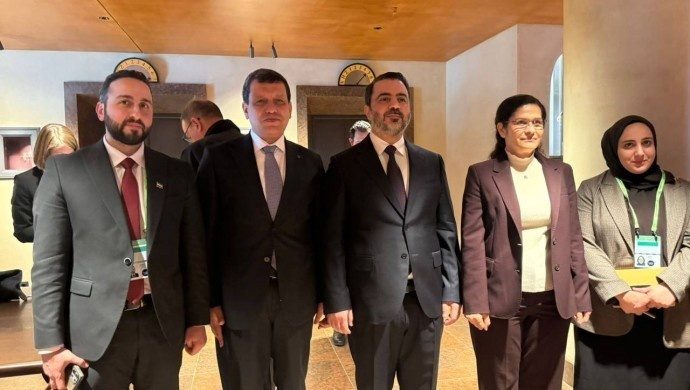
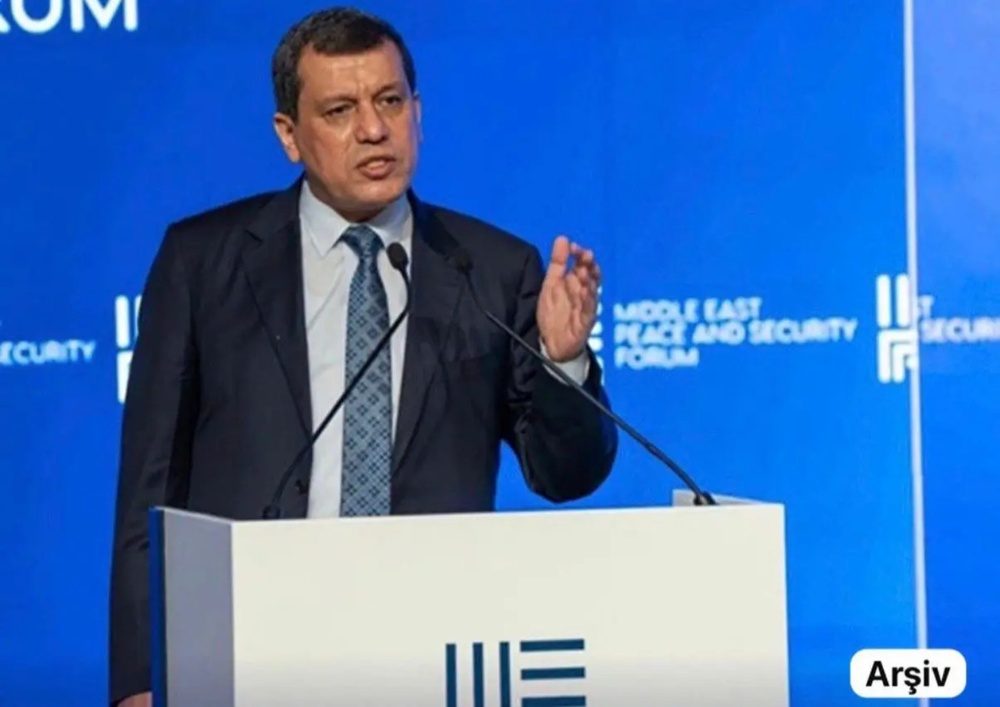
The impact of Mazloum Kobani's presence in the presidential palace on the situation of the Kurds
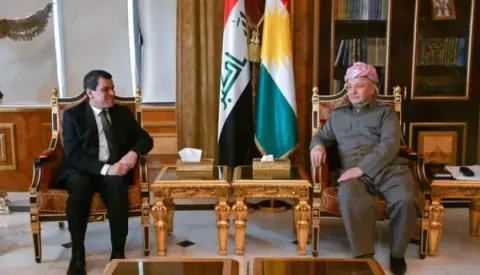
According to Kurdpress, the appointment of Mazloum Abdi (Kobani), the former commander of the Syrian Democratic Forces, as an advisor to the Syrian President can be considered one of the most important signs that relations between Damascus and the Syrian Kurds have entered a new phase. According to Asharq al-Awsat, this appointment could help accelerate the process of integrating the Kurdish forces and self-governing institutions into the Syrian government structure and pave the way for greater stability in the north and east of the country.However, the success of this process will largely depend on the extent of Abdi’s influence over the armed forces that until recently operated under his command.
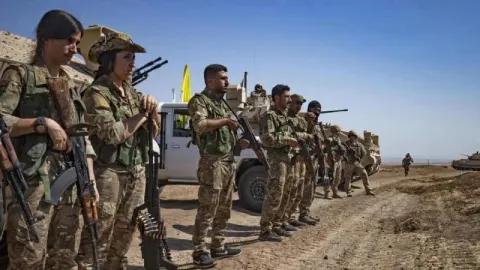
On Thursday, just three days after Abdi announced the end of his mission and the dissolution of the Syrian Democratic Forces, Ahmed al-Sharaa appointed Mazloum Abdi as presidential advisor. These two developments, in a short space of time, effectively marked the end of a significant period in the political and military history of the Syrian Kurds. During this period, Kurdish-led forces, with US support, controlled large parts of northern and eastern Syria and played a key role in the fight against ISIS.
Abdul Karim Omar, a Syrian Kurdish politician and former representative of the autonomous administration in Damascus, considered the appointment a positive sign.According to him, the presence of a figure like Abdi in the presidential office could help reduce the gap between Damascus and the Kurds, increase mutual trust and create wider channels for dialogue on national issues.
Omar believes that if there is political will and serious dialogue, it is possible to move towards a gradual and agreed integration of the military, security and civil institutions of the autonomous administration into the structure of the Syrian state. This process should, on the one hand, take into account the rights of the Kurds and other communities in the region, and on the other hand, help preserve the unity and sovereignty of Syria.
These developments have taken shape within the framework of the January 29 agreement between Ahmed al-Sharaa and Mazloum Abdi. According to this agreement, the military, security and civil institutions of the autonomous administration should be integrated into the structures of the Syrian state.Control of border crossings, oil and gas fields and other economic resources is also to be returned to the central government, and foreign forces will also leave the region.
However, there are different views on how much Abdi’s appointment can contribute to stability in northern and eastern Syria. Abdulaziz Temu, head of the Independent Syrian Kurdistan Association, believes that the decision shows that the case of the Syrian Democratic Forces and other armed groups affiliated with the Kurdistan Workers’ Party (PKK) has entered its final stage, and its commander is now present in the political structure of the Syrian government instead of military activity.
Temu also emphasizes that the future security of the region depends on the extent to which Abdi can influence armed groups, including the People’s Protection Units and the Women’s Protection Units, which previously operated within the framework of the Syrian Democratic Forces.In his view, if these forces do not accept the new trend, the Syrian government will no longer have a legal basis for their continued activity.
But ending the military aspect of the crisis alone is not enough to establish stability. Tamou says that regional societies also need some kind of reconciliation and rebuilding of social relations. He claims that in recent years, Kurds, Arabs and other residents of the region have been harmed, and the capacity of social leaders and independent politicians must be used to repair these gaps.
In Hasakah, a number of Arab figures have also welcomed Abdi’s appointment. Sheikh Mudar Hamad al-Asad, director of the Syrian Refugee Association, said that this move could speed up the process of integrating the Syrian Democratic Forces and the autonomous administration into the Syrian government.He stressed that this integration must be reflected in practice, from the release of prisoners and the clarification of the fate of missing persons to the identification and withdrawal of foreign forces present in the region.
Al-Asad also called for the handover of government offices and buildings to Damascus and the end of checkpoints and military gatherings by groups still operating under the name of the Syrian Democratic Forces. According to him, the continuation of such activities could increase tensions between residents and the armed forces and complicate the process of returning stability.
The July protests in Hasakah also showed that the issue is not just an agreement between Damascus and Kurdish commanders, and that a part of the local community wants the return of the central government's authority. Protesters called for the expansion of government control over the province, the return of displaced people, and an end to the influence of the Syrian Democratic Forces.
Hasakah province is also of particular importance economically.According to al-Asad, establishing security in the region could pave the way for rebuilding infrastructure, implementing agricultural and industrial projects, and resuming oil and gas-related activities. The return of security could also help refugees return and prevent further migration from the region.
Ultimately, Mazloum Abdi’s new position should be seen as more than a ceremonial appointment. He has now moved from commanding an armed force to being part of the formal structure of the Syrian presidency. This change could make him one of the most important links between Damascus and the Kurdish community. But how effective this new position will ultimately be will depend on events such as how forces are integrated and weapons are allocated, the return of refugees, the handover of economic resources, and the clarification of the framework for Kurdish political and cultural rights.For this reason, the real test of Mazloum Abdi’s appointment will not begin in the presidential office, but in northern and eastern Syria. It remains to be seen whether the dissolution of the Syrian Democratic Forces will truly mark the end of a military structure separate from the state, or whether parts of it will continue to operate in new forms and names.
User comments