
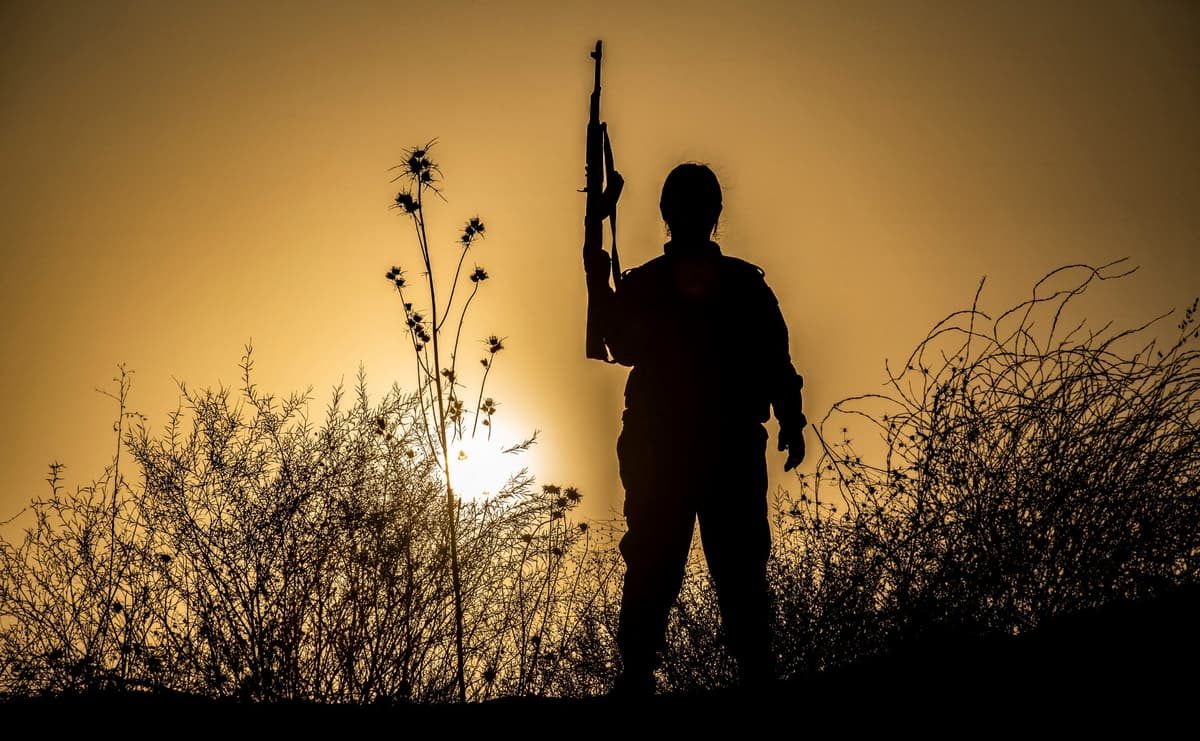
The fate of the Kurdish-led forces in Syria
According to Kurdistan Press, the Syrian Democratic Forces (SDF) officially ended their mission on August 25, 2026, after a decade of military activity; the force, which was formed from the Kurdish armed formations and in the context of the war with ISIS, became the military pillar of the autonomous administration of northern and eastern Syria and was finally disbanded within the framework of the agreement with Damascus after the fall of the Bashar al-Assad regime and some of its forces were integrated into the military and security structures of the new Syrian government.
The roots of this force go back decades.The Kurdish freedom movement in Syria began in the 1980s, when members of the Kurdistan Workers' Party (PKK), including Abdullah Öcalan, established training camps in Syria and Lebanon. After Öcalan was expelled from Syria in 1998 and arrested in 1999, the movement continued its underground activities in Syria, gradually developing an organized network among the country's Kurds.
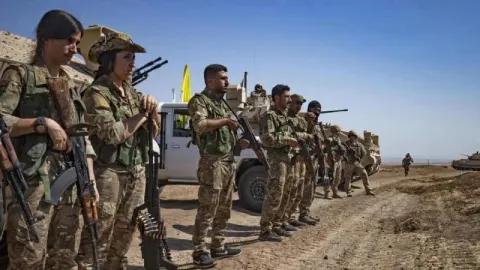
With the outbreak of the Syrian civil war, government forces withdrew from parts of Kurdish-populated areas in July 2012. In such circumstances, the Kurdistan Self-Defense Units (YXK) were formed to protect Kurdish-controlled cities and areas, and later organized into the People's Protection Units (YPG). Kurdish women also formed the Women's Protection Units (YPJ) in April 2013. In addition to their military role, these forces played a pivotal role in shaping the political and social structures of the autonomous administration.The next major turning point was the Battle of Kobani in 2014. The YPG and the Women’s Defense Units, supported by air support from the US-led international coalition, were able to resist the ISIS offensive. The victory in Kobani raised the status of the Syrian Kurdish forces internationally and paved the way for their broader cooperation with the US.
In October 2015, the Syrian Democratic Forces were formed. The YPG and the Women’s Defense Units were the backbone of this new structure, but the SDF attempted to present itself as a multi-ethnic coalition by attracting Arab, Assyrian, Armenian and Turkmen forces. The Sanadid forces affiliated with the Shamr tribes, the Al-Thawwar Front and the Syriac Military Council were among the groups that joined the coalition.From 2015 to 2019, the Syrian Democratic Forces, with the support of weapons, intelligence and training from the US, carried out a series of operations to capture areas controlled by ISIS. Manbij, Tabqa, Raqqa and parts of Deir Ezzor were taken out of ISIS control one after another, and in March 2019, with the fall of the last ISIS positions in Baghouz, the territorial defeat of the group was declared.
But the victory over ISIS came at a high cost. According to the estimate presented in the report, about 11,000 SDF soldiers were killed in the fight against ISIS. After the territorial defeat of ISIS, the Syrian Democratic Forces also took on the mission of confronting the group’s secret cells, as well as protecting prisons and camps where thousands of suspected ISIS members and their families were being held.
During this same period, Turkey considered the SDF a security threat and an offshoot of the PKK.The KRG knew this and opposed the creation of a Kurdish autonomous region on its southern borders. Turkish military operations in 2016, 2018 and 2019 resulted in the withdrawal of Kurdish-led forces from Afrin, Ras al-Ayn and Tal Abyad, effectively preventing the formation of a unified strip of territory under the control of the autonomous administration.
The Turkish offensive also exposed the SDF’s dependence on US support. During the Turkish operation in 2019, Donald Trump effectively paved the way for Turkey to advance by withdrawing some US forces from northern Syria, a decision that was later partially reversed. In response to Turkish pressure and reduced confidence in Washington’s support, the SDF reached an agreement with the government of Bashar al-Assad and Russia, under which the Syrian army returned to parts of the border strip.
Although the SDF had a multi-ethnic structure, its high command remained largely in the hands of Kurdish commanders.This became one of its weaknesses in the Arab regions. Some Arab military councils were unhappy with what they saw as Kurdish influence, and economic problems and poor living conditions added to the discontent. The rebellion of part of the Deir ez-Zor military council in 2023 after the removal of Abu Khoula, the local Arab leader, was one of the most important signs of this legitimacy crisis.
The fall of Bashar al-Assad's government in December 2024 put an end to the previous balance. At the same time as Ahmed al-Shara's forces attacked Damascus, Turkish-backed Syrian National Army groups also took action against the SDF in northern Syria, capturing the areas of Shahba and Manbij. A few months later, in March 2025, Mazloum Abdi and Ahmed al-Shara signed an agreement to integrate the Syrian Democratic Forces into the structure of the new Syrian government; the implementation of the agreement was repeatedly suspended throughout 2025.In January 2026, the Syrian Transitional Government forces launched military operations against SDF-controlled areas to enforce the agreement. The SDF conducted a large-scale retreat and, following the withdrawal and separation of a number of Arab forces, increased its focus on the Kurdish areas of Jazira and Kobani. The second ceasefire and unification agreement on January 29, 2026 finally paved the way for the formal end of the SDF.
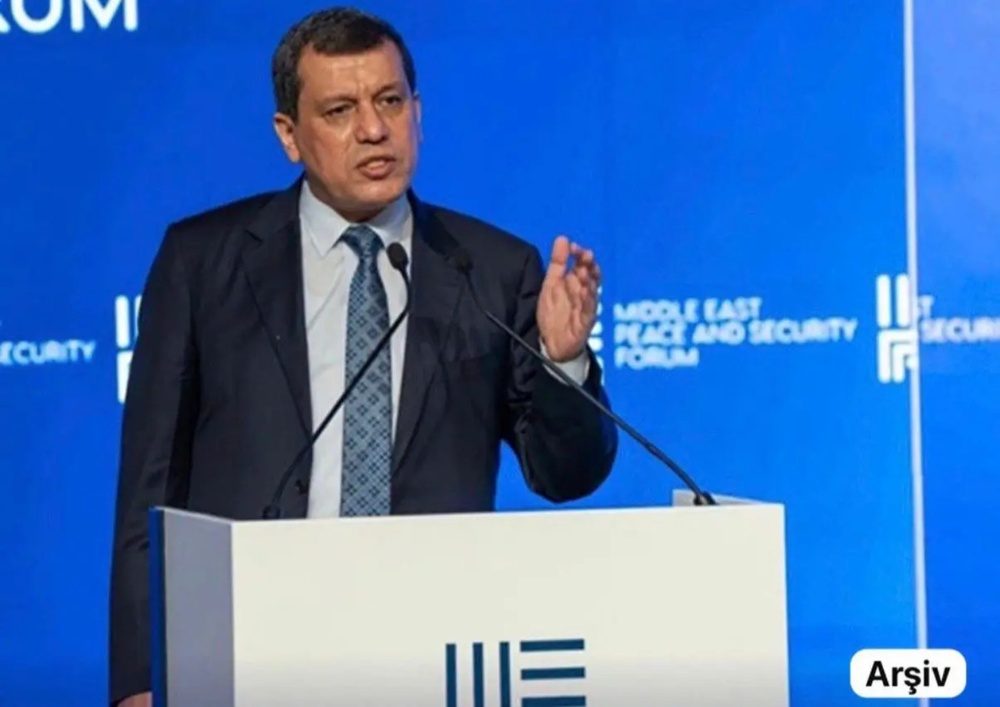
On August 25, 2026, Mazloum Abdi officially announced the end of the mission of the Syrian Democratic Forces in Damascus. Thus, the force, which was formed in 2015 to fight ISIS and had become the most important military force in northern and eastern Syria for a decade, was integrated into the new Syrian government structure.
However, the dissolution of the SDF does not mean the complete end of the Kurdish military structures. Some SDF forces have entered the new Syrian army, and a number of commanders have also taken on responsibilities in the government structure.The fate of the Women’s Protection Units (YPG) is also under discussion. The YPG announced on August 27 that it had held talks to join the Syrian Interior Ministry as a counterterrorism unit, although a final decision had not been made at the time of publication.
The end of the SDF marks the end of one phase and the beginning of another for the Syrian Kurds. Over the past decade, the YPG has evolved from a largely Kurdish force based on the YPG and the Women’s Protection Units (YPG) into a multi-ethnic coalition and a key US ally in the fight against ISIS, and at its peak controlled large parts of northern and eastern Syria. But the fall of Assad, the shifting balance of power, and pressure from Damascus and Turkey have transformed the force from an independent military force into part of the Syrian government.The main challenge for the Syrian Kurds is no longer simply to maintain an independent military force; the main issue is to translate the gains of a decade of military power into political, cultural, and institutional rights in the new Syria. Mazloum Abdi also emphasized when announcing the end of the SDF mission that the political struggle for Kurdish rights will continue. Given the deep distrust between the Kurds and Damascus, the fate of this phase depends less on how the SDF is dissolved than on how willing the new Syrian government is to translate its promises about Kurdish rights and participation into concrete legal and political arrangements.
Amarji Magazine
User comments