
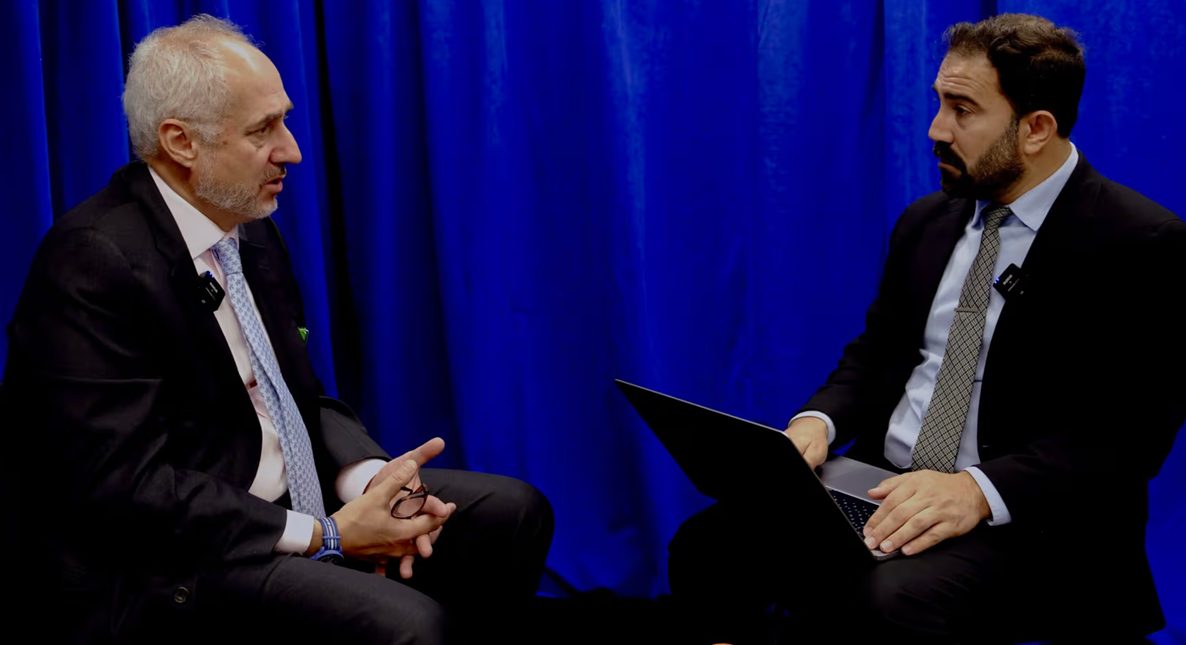
UN Position on Kurds
According to KurdPress, Stephane Dujarric, spokesman for UN Secretary-General Antonio Guterres, commented on the most important issues related to the Kurds, as well as the peace process between the Turkish government and the Kurdistan Workers' Party (PKK), in an interview with the Amagi magazine.
Regarding the situation of the Kurds in Syria, the UN Secretary-General's spokesman said that the UN is present in Syria, but does not specifically monitor the process of integrating the Syrian Democratic Forces forces into the military structure of the Syrian government.He referred to the agreement between Mazloum Abdi, former commander of the Syrian Democratic Forces and advisor to the Syrian president, and the Damascus government, saying that the UN welcomes this agreement and the efforts to unify the Syrian security forces.
Dujarric stressed that in every country, the state must bear the primary responsibility for ensuring the security of its citizens within its borders, but at the same time, minorities must feel part of their society and country and be able to preserve their traditions, language and culture.
Regarding the inclusion of Kurdish rights in the new Syrian constitution, he also said that a constitutional process is underway in Syria and that the UN will not interfere in it, but the organization's principled position on minority rights has previously been announced publicly and privately.The UN Secretary-General's spokesman continued, referring to Syria's extensive need for reconstruction, and said that the establishment of a new political mission in the country requires a decision by the Security Council. However, the UN Office in Syria and various UN agencies are supporting the Syrian government's efforts to rebuild the country.
Regarding the military presence of Turkey and Israel in Syria, Dujarric also said that there is a difference between the presence of foreign forces with the consent of a country's government and the presence of foreign forces without its consent. He did not go into details about whether Turkey had obtained permission from the country's government for its military presence in Syria, saying that the past conditions and the current situation in Syria are different.
Regarding the peace process between the Turkish government and the PKK, Dujarric also said that he was not aware of the extent of the UN's involvement or consultation in this process, but that the UN Secretary-General welcomed this process.He called the process a significant development after years of confrontation and said the UN was ready to do whatever it could to support the peace process.
He added that Guterres, especially during his tenure as UN High Commissioner for Refugees, had closely followed the Kurdish issue and had met with Kurdish refugees. According to Dujarric, the UN supports the political process in Turkey and has always opposed violence.
In response to a question about the detention of officials, mayors and representatives of the Peoples' Equality and Democracy Party (Demparti) in Turkey, the UN Secretary-General's spokesperson also said that the Office of the High Commissioner for Human Rights and the UN Human Rights Office were closely following the issue.Regarding Selahattin Demirtaş, the former leader of the Peoples' Democratic Party (HDP), who has been in prison for about 10 years, he said that he personally had no information about his case and that this question should be asked to UN human rights officials.
Dujarric also said that as far as he knew, Antonio Guterres had not had direct contact with Abdullah Ocalan, the imprisoned leader of the PKK. He attributed this to the existence of a political process between the parties involved and emphasized that the UN did not want to get involved in this process without the consent of all parties involved.
In another part of the conversation, the UN Secretary-General's spokesman said that accepting the award reflected the UN Secretary-General's relations with Turkey. He also emphasized that this did not prevent Guterres from taking a position on human rights violations or other controversial issues.Dujaric said Turkey and its people have long opened their doors to Syrian and other refugees, noting that this is important to Guterres, noting Turkey’s role in international efforts to end the war in Ukraine and the Black Sea Initiative for grain transit.
He concluded by saying that Guterres remains committed to his positions on human rights and that diplomatic relations with governments will not prevent him from expressing his views on human rights violations.
User comments