
Turkey and Syria on the Path of the Kurdish Issue; Opportunities and Obstacles Ahead
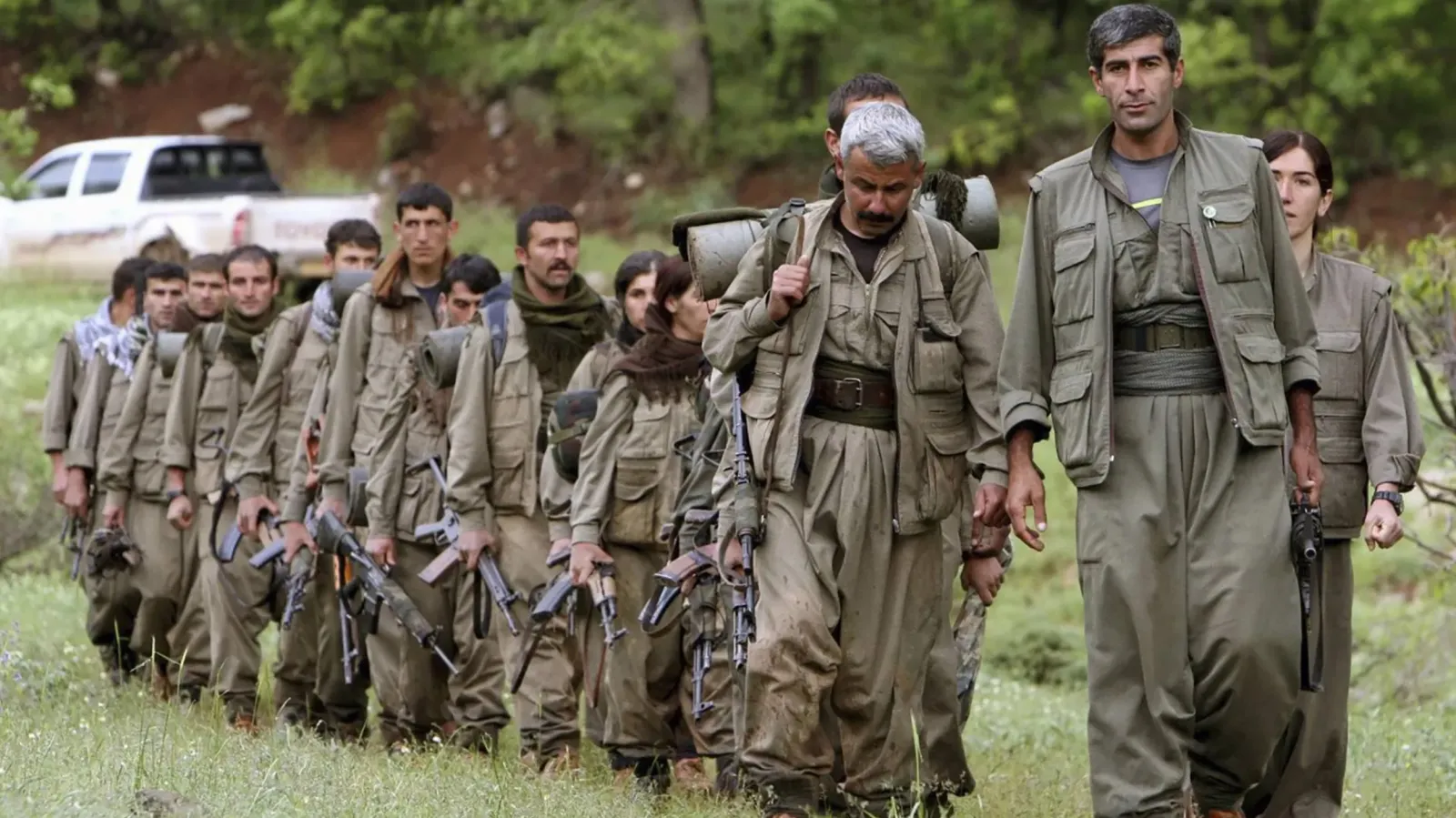
According to KurdPress, Al Jazeera Research Center, in a report on the future of the Kurdish issue in Turkey and Syria, describes the developments in the two countries as a sign that the Kurdish issue has entered a new phase, in which, on the one hand, the Kurdistan Workers' Party has moved towards the end of the armed struggle in Turkey, and on the other hand, the Syrian Democratic Forces and their affiliated institutions are on the path of integration into the structure of the Syrian government. The report emphasizes that despite serious obstacles and ambiguities, the developments of the last two years could be the beginning of a different era in relations between the Kurds and the governments of the region.In Turkey, the process began in October 2024 with the initiative of Devlet Bahçeli, leader of the National Movement Party, and continued with the support of Recep Tayyip Erdoğan and the entry of the Peoples’ Democracy and Equality Party into the negotiations. In February 2025, the imprisoned leader of the PKK, Abdullah Öcalan, called for the dissolution of the Kurdistan Workers’ Party and the abandonment of the armed struggle, and a few months later, the party decided at its congress to dissolve and end its armed activities. In July of the same year, a number of party members also burned their weapons in a symbolic act.
However, the political process in Turkey was slow and divided for a while. The parliamentary commission responsible for following up on this process failed to provide a clear framework for the continuation of the path in the first months of 2026, and there was disagreement about the level of trust in the PKK’s commitment and the need to observe its disarmament.Finally, in August 2026, the Turkish parliament passed the “Strengthening National Solidarity and Social Integration” law, which provides a legal framework for the return of some party members to normal life and their reintegration into society. However, the status of party leaders and the fate of members who are unable or unwilling to return to Turkey remain unresolved issues.
In Syria, a similar process began with a time lag and, according to the center, was influenced by developments in Turkey and the change in the US approach to the new government in Damascus. In March 2025, the commander of the Syrian Democratic Forces, Mazloum Abdi, and the country’s President, Ahmed al-Shara, signed an agreement to return the sovereignty of the Syrian government to areas under the control of the Syrian Democratic Forces and to integrate the military forces and administrative structures of these areas into state institutions.However, in the following months, disagreements over the degree of autonomy, the structure of the military forces, the status of the internal security forces, and the role of Kurdish forces in the Syrian army continued, leading to military conflict in January 2026.
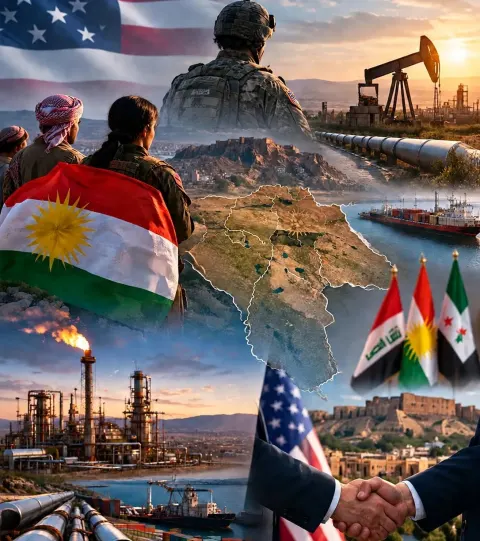
According to Al Jazeera Research Center, after these conflicts, and with the issuance of Decree No. 13 by Ahmed al-Sharaa on the cancellation of the consequences of the 1962 census, granting citizenship to stateless Kurds, and recognizing their linguistic and cultural rights, the path to negotiations was reactivated. An agreement was then reached to end the self-government and integrate the Syrian Democratic Forces into the structure of the government. According to Al Jazeera Research Center, by August 2026, these forces had ceded control of border crossings and oil and gas fields to the government, and Mazloum Abdi was appointed as an advisor to the presidency and Ilham Ahmed, another senior Syrian Kurdish official, was appointed as a representative in the Syrian parliament.The report emphasizes that despite these developments, the solution to the Kurdish issue is not yet definitive and irreversible. In Turkey, there is uncertainty about when and how the Kurdistan Workers’ Party will be fully disarmed and its members will return. In Syria, the integration of thousands of military personnel and employees of the former autonomous institutions is creating new economic and social problems, and in particular, the future of the education sector, the displaced forces and the political participation of the Kurds remains unclear.
The center also emphasizes that the Kurdish issue cannot be resolved solely within the framework of Turkey and Syria, as the Kurds have a large presence in other parts as well. In the author’s view, the continuation of centralized structures and national identities in the countries of the region, without a review of the state’s relationship with ethnic and cultural diversity, could prevent a lasting solution.At the same time, the experience of Northern Ireland has been presented as an example that shows that even the opposition of some movements to the peace agreement cannot necessarily stop the reconciliation process.
The center believes that the path to resolving the Kurdish issue in Turkey and Syria has practically begun, but this path will not be linear and without obstacles. According to the Al Jazeera Research Center, if this process continues, its consequences could go beyond the Kurdish issue and affect security, trade, economic development and communications between the countries of the region, and reduce some of the political and geographical ruptures that formed in the Middle East after World War I.



User comments