
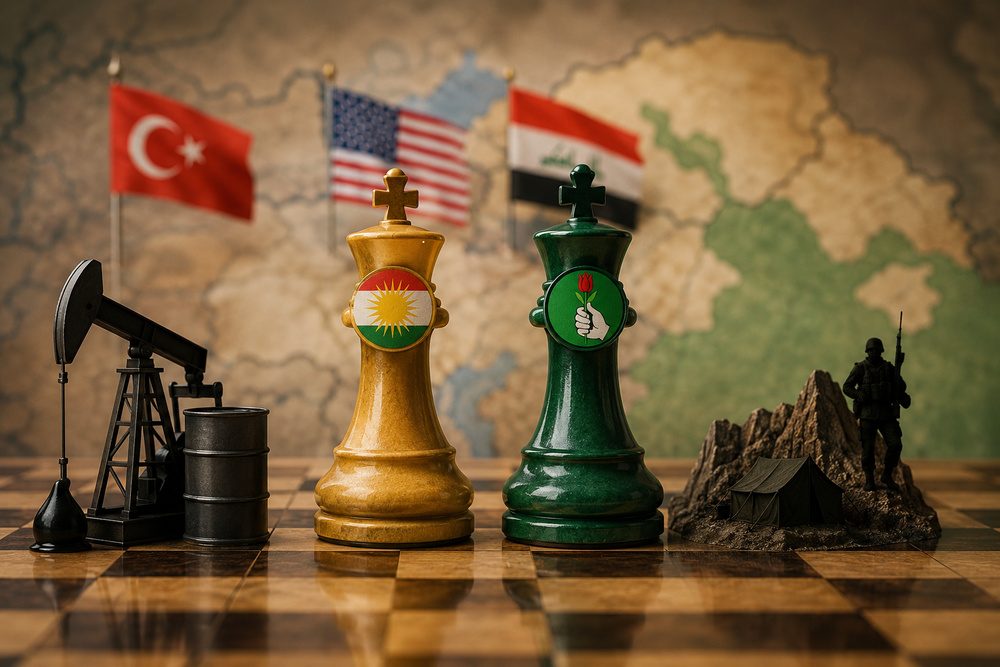
US to end military support for Kurdistan Region
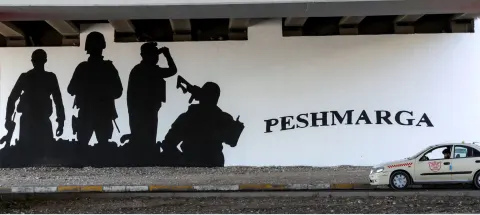
According to KurdPress and the BBC, the Donald Trump administration is considering ending security and military support for the Peshmerga forces of the Iraqi Kurdistan Region, which, if implemented, could coincide with the complete withdrawal of international coalition forces from Iraq at the end of September, raising concerns about the future of security in the region.Four sources familiar with the negotiations between US officials, the Iraqi government and the Kurdistan Region have told the BBC that the US Department of Defense has told regional leaders in recent meetings that Washington does not currently intend to renew the security assistance agreement for the Peshmerga. The agreement expires on September 30. The US-Kurdistan Regional Government security agreement was first signed in 2016 and was extended in 2022. The Peshmerga received about $61 million from the Pentagon's Counter-ISIS program in fiscal year 2026, which was allocated for the purchase of equipment, training of forces and payment of salaries. However, the Pentagon has proposed eliminating this assistance in its budget proposal for fiscal year 2027, arguing that with the defeat of ISIS, the continuation of this spending is no longer necessary and that its resources can be spent on other areas.The possibility has raised concerns in Erbil, especially as the Kurdistan Region has been the target of missile and drone attacks in recent months. According to the Foundation for Defense of Democracies, there had been at least 158 missile and drone attacks inside the region by the end of May. Yervan Saeed, director of the Global Kurdish Initiative for Peace at American University, has warned that cutting off US military support would leave the Kurdistan Region more vulnerable to regional threats. He believes such a decision could be a major win for Iran, Russia and China. However, it is not yet clear what Washington’s final decision will be. A source familiar with the Pentagon’s position told the BBC that the US government is still considering ways to maintain some security support for Iraq and the Kurdistan Region after the withdrawal of US forces.These developments coincide with the US plan to withdraw its last troops from Iraq by September 30. The US military base in Erbil will also be closed after the coalition forces leave. The US withdrawal effectively ends the military mission of the international coalition against ISIS in Iraq. The Peshmerga force was one of its most important local forces in recent years. James Jeffrey, a former US ambassador to Iraq and Turkey and a senior figure in the anti-ISIS coalition, has warned about the reduction in support for the Peshmerga, saying that maintaining these forces does not cost much for the US and that Washington should not repeat the mistake of completely withdrawing from Iraq in 2011. By creating a security vacuum, the withdrawal helped create conditions that ISIS took advantage of in 2014. From this perspective, the issue is not just the removal of a $61 million grant.The end of direct American support could signal a significant shift in Washington’s approach to the Kurdistan Region. After more than a decade of military presence to counter ISIS, the United States is now transferring security responsibility to the Iraqi government; but this change, at a time when the region is facing external threats and regional pressures, could take the Peshmerga’s security situation and the region’s standing to a new level. If aid were to cease completely, the Peshmerga would have to cover a greater portion of their own arms, training, and operational costs. At the same time, this development could make Baghdad a more central player in northern Iraq’s security architecture and reduce the region’s dependence on direct American support. The key question is whether the US withdrawal from Iraq would simply mean the end of the anti-ISIS mission or the beginning of Washington’s strategic distancing from one of its most important partners in the region.
User comments