
Withdrawal from Qandil without a comprehensive plan could lead to civil war in the Kurdistan Region
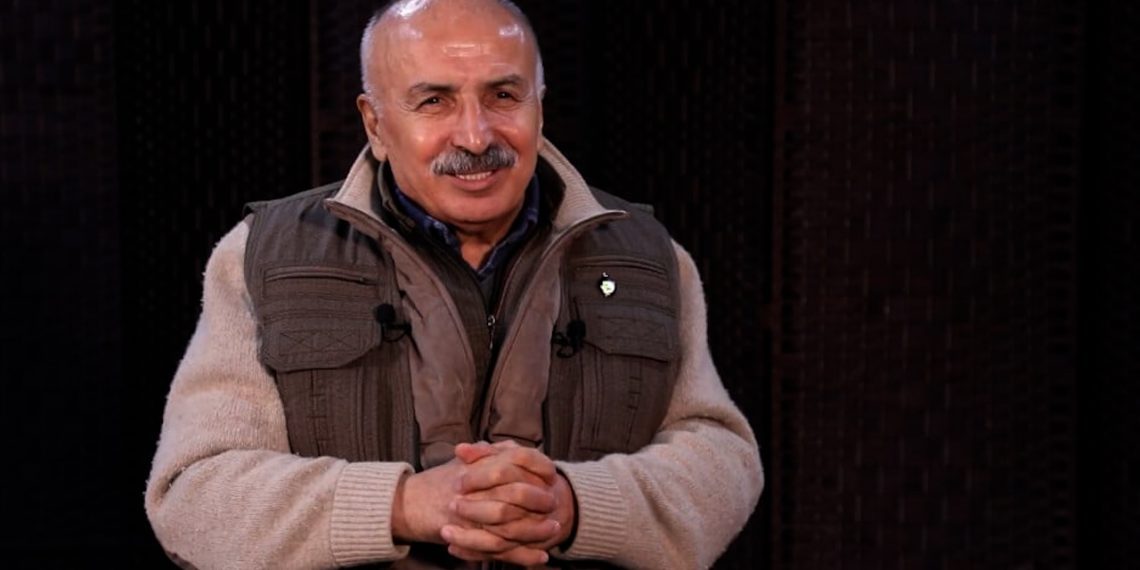
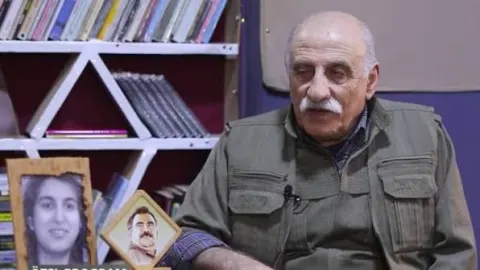
According to Kurdistan Press, Mustafa Karasu, a member of the KCK Executive Council and a former member of the PKK Central Committee, announced in an interview with the Media Khabar television channel that the members of this movement are not willing to be settled in camps and that their main goal is to return to Turkey and continue their activities within the framework of the political and democratic struggle to resolve the Kurdish issue. He also emphasized that any withdrawal from Qandil and the border areas must be carried out based on a comprehensive political and security plan; otherwise, this action could lead to the creation of a security vacuum and an increase in the risk of conflict among the Kurdish forces of the Kurdistan Region.
Reacting to the issue of "camping" of PKK members, Karasu said that they completely reject the settlement of members of this movement in camps.He stated: “We are not such a movement and we cannot become a force that limits our will within the camps and puts others under its control.”
The KCK executive council member also said about the political goals of the movement: “We want to solve the Kurdish issue, return to Turkey, pursue democratic politics and be part of the struggle for democracy in that country.”
He added that the PKK and its affiliated movement consider themselves a democratic and revolutionary movement and for this reason they cannot be asked to remain in the camps. Karasu also said that the Turkish government has sufficient knowledge of the PKK and knows that the movement will not accept such conditions.Warning about the future of Qandil
In another part of his speech about the fate of the mountainous and border areas, including Qandil, and the possibility of the PKK's armed forces withdrawing from these areas, Karasu said that the areas where the movement's forces are based have always been at the center of conflicts and clashes due to their strategic location.
According to him, the geographical importance of these areas has been one of the factors that has enabled the PKK forces to resist various attacks, including those of the Turkish army, for decades.
Karasu warned that the evacuation of these areas without providing an appropriate mechanism to manage the security situation could create a "huge security vacuum." According to him, such a vacuum could pave the way for extremist groups such as ISIS to re-activate.He also considered the possibility of conflict between Kurdish political and military groups, especially the Kurdistan Democratic Party and the Patriotic Union of Kurdistan, as another possible consequence of the unplanned withdrawal of PKK forces.
Karasu emphasized that the withdrawal of the movement's forces is only possible when there is a detailed and comprehensive political plan for the future of the disputed areas. He warned that any unplanned action could have negative consequences and lead to an escalation of conflicts in the region.
Peace process in Turkey
Karasu's statements come at a time when the so-called peace process and resolution of the Kurdish issue in Turkey has entered a new phase in recent months.
According to the report, the Turkish parliament passed the "Framework Law" related to this process in August 2026, but its practical implementation continues to face obstacles and delays.The process began after a series of meetings and negotiations between various parties to resolve the Kurdish issue, but there are still disagreements between Kurdish movements and the Turkish government about the speed and manner of its progress.
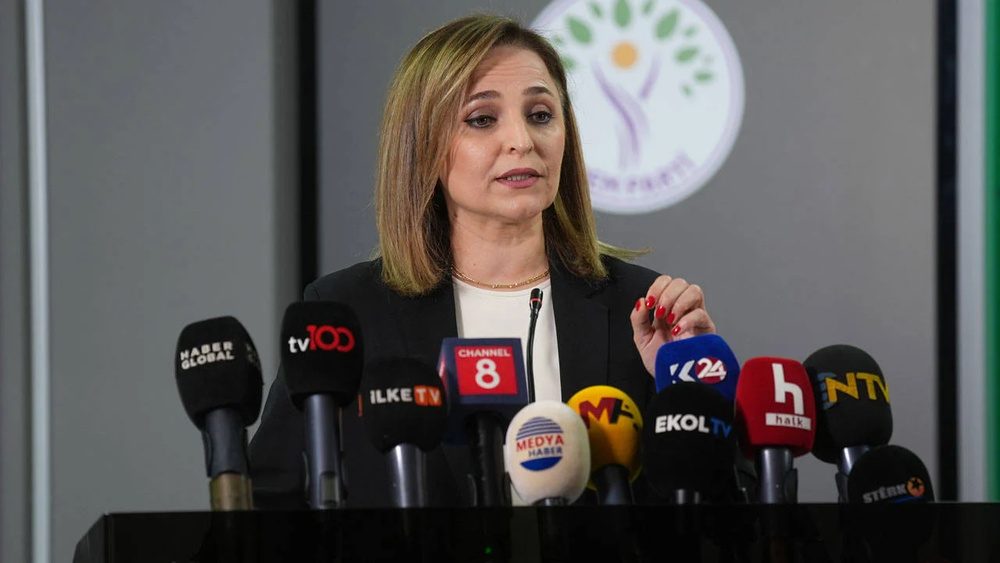
Tula Hatem Oğulları, co-chair of the Peoples' Equality and Democracy Party (HDP), had previously stated that the process was moving too slowly and that the government was deliberately delaying the implementation of some measures.
At the same time, Murat Karaylan, a senior member of the PKK, also criticized the current process, saying that the continued restrictions against Abdullah Ocalan had effectively halted or suspended the process.
User comments